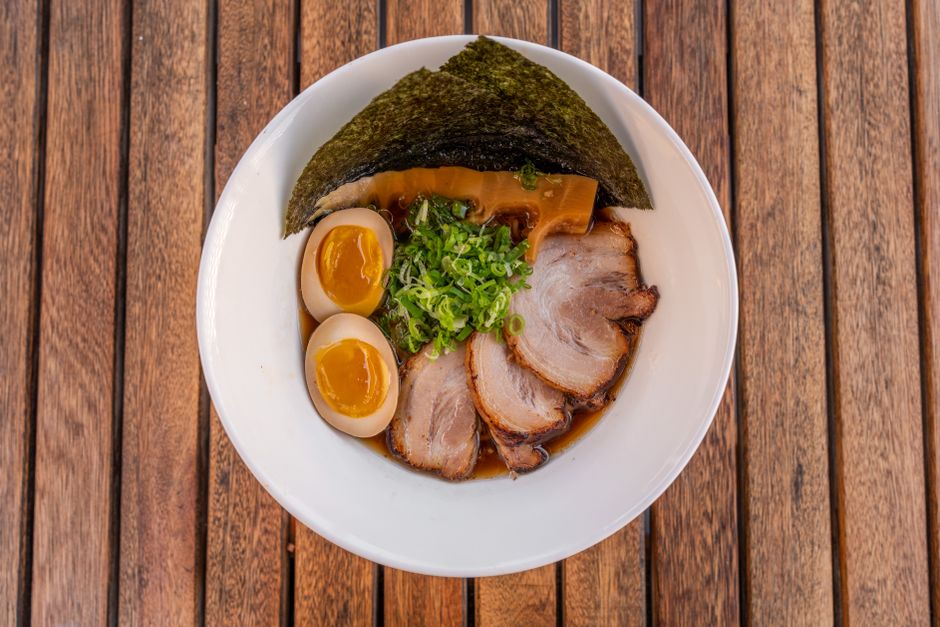
Umami Unlocked: The Fifth Taste and How to Cook With It
The world of culinary arts is a vast and intricate tapestry woven from tradition, culture, and of course, the science of taste. Among the cornerstone elements that define our dining experiences, the five basic human tastes—sweet, sour, salty, bitter, and umami—play a central role in shaping our enjoyment of food. For many home cooks, understanding and harnessing these tastes can elevate simple dishes into remarkable culinary creations. While we often emphasize the more familiar tastes, umami—often referred to as the fifth taste—has the potential to transform the way we think about flavor and cooking.
Umami, a term derived from the Japanese word meaning "delicious," was first recognized in the early 20th century when scientists identified monosodium glutamate (MSG) as the compound responsible for this savory flavor. In its simplest form, umami is characterized by its rich, mouthwatering quality, often associated with protein-rich foods. Imagine savoring a perfectly cooked steak, rich broth, or aged cheese; these sensations are a direct result of umami. This savory taste is not only appealing but essential in creating balanced, satisfying meals that linger in our memories long after the last bite.
Understanding umami encourages home cooks to explore new ingredients and techniques, ultimately enhancing their culinary repertoire. Including umami-rich ingredients in your cooking can add depth and complexity to even the most basic of recipes. In this exploration, we will unlock the secrets of umami, from its foundational role in flavor profiles to practical tips on how to cook with it effectively. So, gather your ingredients, and let’s embark on a culinary adventure that will not only rescue your dishes from the mundane but also honor the artistry that accompanies the taste of umami.
Understanding Umami: The Science Behind the Taste
Umami is not just a flavor; it’s a sensation produced by specific compounds found in foods. The discovery of umami began in Japan, where scientist Kikunae Ikeda found that glutamate was the source of the taste in a popular soup stock made from kelp, known as dashi. This realization opened doors to understanding a world of flavor that goes beyond the basic tastes. Glutamate, alongside inosinate (found in meats) and guanylate (found in mushrooms), is responsible for this mouthwatering taste and is often employed in modern cooking to enhance the flavor profile of a dish.
The Role of Amino Acids
At the heart of umami are amino acids—the building blocks of proteins. Glutamic acid, an amino acid abundant in many foods, is one of the primary contributors to the umami flavor. When amino acids are broken down through processes such as cooking, fermentation, or aging, they release this distinct taste.
When cooking, the breakdown of proteins into their constituent amino acids creates a deeper and more complex flavor. This occurs in various cooking techniques:
How Umami Complements Other Tastes
Umami does not stand alone; rather, it interacts harmoniously with the other four tastes to create a rounded flavor profile. For instance, the balance between sweet and salty can elevate the umami in dishes. Consider the classic combination of tomatoes (rich in umami) and basil (sweet) in a fresh sauce—the two tastes complement each other beautifully and create a more satisfying dish.
Utilizing umami in this way allows home cooks to achieve greater balance and complexity in their cooking. The key is to think about how to incorporate umami-rich ingredients synergistically with sweet, sour, salty, and bitter elements for a dish that tantalizes the palate.
Identifying Umami-Rich Ingredients
Home cooks have a treasure trove of ingredients to choose from when seeking to include umami in their cooking. Here are some of the most umami-rich foods that you can easily incorporate into your meals:
- Beef (especially aged or marbled cuts)
- Pork (particularly belly or shoulder)
- Chicken (dark meat is more umami-rich than white)
- Shellfish (such as shrimp and scallops)
- Fish (salmon, sardines, and anchovies)
- Aged cheeses (Parmesan, Gouda, Roquefort)
- Yogurt
- Fermented dairy (like buttermilk)
- Tomatoes (especially sun-dried)
- Mushrooms (shiitake, porcini, and more)
- Seaweed (like nori and kombu)
- Asparagus and peas (young)
- Soy sauce and tamari
- Miso paste
- Worcestershire sauce
- Fish sauce
- Sauerkraut
- Kimchi
- Fermented soy products
By incorporating these ingredients into your cooking, you can easily enhance the umami in your dishes.
Cooking Techniques that Amplify Umami
Once you have identified your umami-rich ingredients, knowing how to prepare them is crucial. Here are some techniques that will help maximize umami flavor in your cooking:
Roasting
Roasting is one of the best methods to bring out the umami in meats and vegetables alike. The high heat caramelizes natural sugars and creates a rich, complex flavor profile.
Tips for Roasting:
Braising
Braising combines two techniques: browning food and cooking it slowly in liquid. This method is perfect for tougher cuts of meat that are high in collagen that breaks down into gelatin, which adds a luxurious mouthfeel and enhances umami.
Steps for Braising:
Fermenting
Home fermentation is a clever way to create new flavors while enhancing umami. Foods that undergo fermentation develop unique tastes and aromas due to the breakdown of proteins into amino acids.
Basic Fermentation Guide:
Balancing Umami in Dishes
Creating a dish that shines with umami requires an understanding of balance. While it’s tempting to layer on more umami-rich ingredients, it’s crucial to maintain equilibrium with the other tastes.
Layering Flavors
When building a dish, think about layering flavors with umami-rich ingredients. Start with your base (like a rich broth) and add layers progressively. For example, in a bolognese sauce, start with sautéed onions and garlic, add ground meat, then toss in canned tomatoes, and finish with a splash of soy sauce and grated Parmesan for an umami bomb.
Steps for Flavor Layering:
Balancing Acidity
Acidity is essential in balancing umami. Many umami-rich ingredients, like tomatoes and soy sauce, are naturally salty, so pairing them with something acidic can augment the overall flavor.
Acidic Ingredients to Consider:
Umami in Global Cuisines
Different cultures around the world have long harnessed the power of umami in their traditional foods. Understanding how umami manifests in global cuisines can provide inspiration for your culinary creation.
Asian Cuisine
Asian dishes often exemplify umami. Japanese cuisine embraces dashi—a broth made from kombu and bonito flakes—that serves as the foundation for many soups and sauces. Similarly, Chinese cooking leans heavily on soy sauce and fermented black beans, while Korean dishes use gochujang, a fermented chili paste that creates a unique umami flavor.
Key Asian Umami Ingredients:
Mediterranean Influence
The Mediterranean diet is rich in umami ingredients that embrace both health and flavor. Mediterranean dishes frequently utilize sun-dried tomatoes, olives, capers, and aged cheeses—ingredients that enhance flavor.
Mediterranean Umami Stars:
Exploring Umami in Home Cooking
Now that you have a solid understanding of umami—its science, its sources, and cooking techniques—let’s dive into practical applications in home cooking. Try incorporating these ideas into your everyday meals.
Recipe Inspiration
To help you embark on your umami journey, here are three delightful recipes that highlight umami-rich ingredients and techniques:
- Start with finely chopped onions, carrots, and celery sautéed in olive oil.
- Add 1 pound of ground beef, season with salt and pepper, browning well.
- Stir in a can of crushed tomatoes, a tablespoon of soy sauce, and a splash of red wine.
- Simmer on low for at least an hour, adding a tablespoon of miso paste in the last 10 minutes.
- Serve over pasta and garnish with grated Parmesan.
- Create a marinade using 2 tablespoons of miso paste, 1 tablespoon of soy sauce, a tablespoon of honey, and a splash of rice vinegar.
- Marinate salmon fillets for 30 minutes.
- Preheat your grill to medium-high (~375°F/190°C) and grill each side for about 4-5 minutes.
- Serve garnished with green onions and sesame seeds.
- Begin by making a broth with kombu and dried shiitake mushrooms and simmer for 30 minutes.
- Strain the broth and add in soy sauce and a touch of mirin.
- In another pot, sauté garlic, ginger, and bok choy till tender.
- Cook ramen noodles according to package instructions and serve topped with sliced green onions, boiled eggs, and the sautéed bok choy.
Conclusion
Unlocking the secrets of umami can truly transform your culinary skills and elevate your home cooking game. By embracing the fifth taste, you are not only enhancing flavors but also the enjoyment of the food you serve. This journey requires exploration and a willingness to experiment, but the rewards are well worth the effort.
From understanding its scientific roots to incorporating umami-rich ingredients into your daily meals, the application of umami is limitless. Whether you’re simmering a rich sauce, fermenting vegetables, or grilling a perfect piece of meat, remember that umami holds the power to create exceptional dishes that resonate with flavor and satisfaction.
As you experiment with these techniques and ingredients, keep in mind that balance is paramount. Combining umami with the other four tastes will lead to complex flavors that excite the palate. With practice, you can seamlessly integrate umami into your cooking philosophy, making it an essential component of your culinary arsenal. So, the next time you prepare a meal, don’t forget to dial in the umami and watch as your dishes come to life, tantalizing the senses and bringing joy to your table.


Get the Next Recipe
Weekly recipes, techniques, and gear picks — straight to your inbox.
