Umami Unlocked: The Fifth Taste That Transforms Your Cooking
The world of culinary arts is an expansive universe filled with flavors that can excite, comfort, and even transport you to another time and place. Among the myriad tastes we experience, one stands out for its complexity and transformative power: umami. Often described as the "fifth taste," umami is not merely a flavor; it’s a catalyst for deepening our appreciation of food and exploring the depths of our culinary creativity. Understanding and mastering umami can elevate your dishes from ordinary to extraordinary, allowing you to create memorable dining experiences that will have friends and family coming back for more.
Though it may seem like a relatively novel concept in Western cuisine, umami is far from new. Discovered in the early 20th century by Japanese chemist Kikunae Ikeda, umami is characterized by its savory, rich taste, which can be found in various ingredients. Foods such as ripe tomatoes, aged cheeses, mushrooms, and fermented products are packed with this flavor booster, waiting patiently for you to unlock their potential. As home cooks, we have the incredible opportunity to take this foundational element of cooking and leverage it to elevate our meals, making each bite an experience unto itself.
Incorporating umami into your cooking not only enhances flavor but also promotes satisfaction and fullness. By understanding how to work with umami-rich ingredients and balancing them with the other four primary tastes: sweet, sour, salty, and bitter, you can achieve a level of culinary sophistication that delights the palate. This blog post will delve into the science of umami, its sources, its relationship with flavor balance, and practical tips for incorporating it into your everyday cooking. By the end of this guide, you will have the knowledge and tools to unlock umami’s secrets and transform your culinary creations into something truly extraordinary.
The Science of Umami
Understanding umami starts with a bit of science. In essence, umami is the result of glutamate, an amino acid that naturally occurs in various foods. When we consume these foods, glutamate binds to taste receptors on our tongues and registers as this unique flavor profile. One of the fascinating aspects of umami is that it enhances the overall flavor of a dish, making it taste richer and more complex. Though it works in harmony with the other four tastes, umami has the unique ability to bring them together, creating a unified experience on the palate.
The Biochemistry Behind Umami
At a molecular level, umami is largely attributed to glutamate and nucleotides like inosinate and guanylate, which occur in foods like beef and mushrooms, respectively. These compounds amplify the savory flavor profile and work synergistically to create a more intense taste experience.
The interplay between these compounds creates a chain reaction of flavor perception. Each one boosts the others, enhancing the essential rich flavor that is so characteristic of umami. This layer of complexity is why dishes rich in umami are so appealing and satisfying.
The Role of Umami in Culinary History
While Western cuisine is just beginning to embrace the full potential of umami, many cultures have recognized its importance for centuries. In Japanese cooking, ingredients like soy sauce, miso, and dashi are staples, famous for their umami content. Similarly, in Italian cuisine, the use of aged Parmesan cheese and ripe tomatoes highlights the country’s understanding of umami's impact on flavor.
Umami's journey from a scientific discovery to a culinary cornerstone demonstrates its robust importance across cultural landscapes. As a cooking enthusiast, learning how to harness umami can connect you to global culinary traditions while allowing you to create more satisfying and flavorful meals.
Identifying Umami-Rich Ingredients
Unlocking the secrets of umami starts with knowing which ingredients provide this flavor. Building your pantry and refrigerator around umami-rich items is a fantastic way to ensure that every meal is packed with flavor and satisfaction.
Key Umami Ingredients
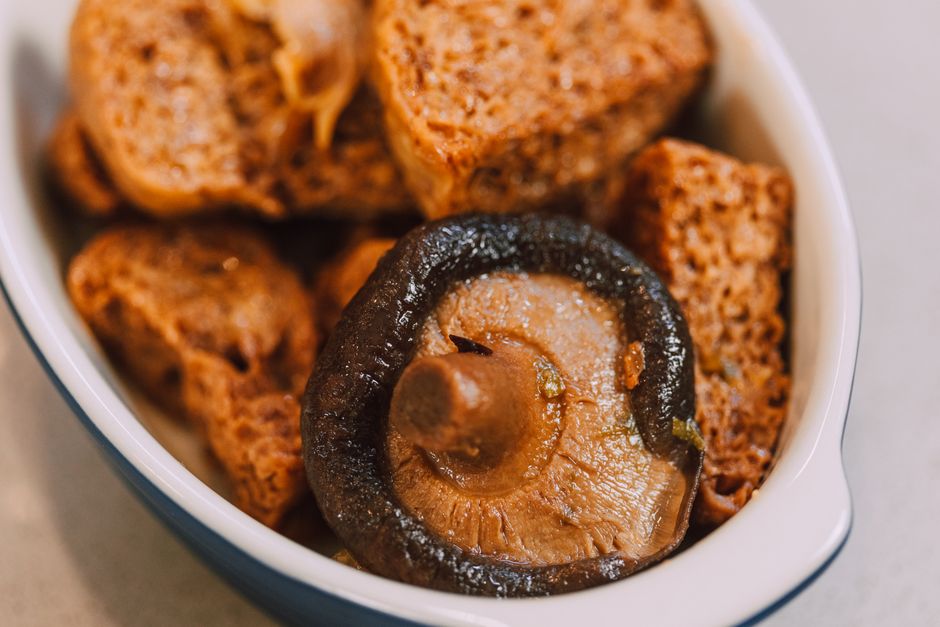
- Varieties like shiitake, portobello, and porcini are loaded with umami, thanks to their high levels of guanylate.
- Use dried mushrooms to infuse sauces and stocks with an intense depth of flavor.
- Cheeses like Parmesan, Gruyère, and aged cheddar are rich in glutamate.
- Grate them over pasta or melt them into sauces for that savory kick.
- These staples of Asian cooking contain high concentrations of glutamate due to fermentation.
- Miso can serve as a marinade or base for soups, while soy sauce can add depth to stir-fries, dressings, and marinades.
- Ripe, sun-dried, or cooked tomatoes are excellent sources of umami.
- Tomato paste concentrated through slow cooking is particularly effective for enriching stews and sauces.
- Fish like anchovies and sardines are intensely rich in umami.
- Incorporating them into sauces or using fish sauce can provide a powerful depth of flavor.
- Consider foods such as kimchi, sauerkraut, and fermented hot sauces.
- These not only add flavor but also beneficial probiotics to your meals.
Stocking Your Kitchen
When stocking your kitchen with umami-rich ingredients, consider keeping the following pantry items on hand:
With these ingredients on hand, you’re well-equipped to embark on your umami journey and transform ordinary meals into extraordinary experiences.
Techniques for Enhancing Umami in Your Cooking
Creating umami-rich dishes doesn’t require complicated techniques; rather, it involves a thoughtful approach to ingredient selection and preparation. Here are some effective methods to elevate the umami content in your meals.
Layering Flavors
One of the most effective strategies for achieving a balanced umami profile is through layering flavors. This involves the conscious choice of ingredients that will complement each other:
Reducing and Concentrating Flavors
Another powerful technique for enhancing umami is to cook down or reduce ingredients to concentrate their flavors. This works particularly well with stocks, sauces, and even vegetables.
The Importance of Cooking Techniques
How you cook your ingredients can significantly impact umami development. Here are a few methods to consider:
"Cooking is not just about nourishing the body; it's about feeding the soul, and umami is the secret ingredient that makes the heart grow fonder."
Balancing Umami with Other Tastes
While umami is a central player in flavor composition, achieving balance with the other tastes is essential for a harmonious dish. A well-rounded flavor profile usually contains sweet, sour, salty, and bitter elements, which can enhance the richness of umami.
Sweetness
Sweetness can offset the savory notes of umami, creating a pleasing contrast. Think of balancing curing meats with a touch of sweetness, or adding a drizzle of honey to a miso-based glaze. Experiment with natural sweeteners like:
By incorporating these sweet elements, you can strike a remarkable balance where umami shines even brighter.
Sourness
Sour flavors, often from citrus or vinegar, can cut through the richness of umami, making dishes more refreshing. Consider adding:
Saltiness
Salt amplifies umami in notable ways, but it’s essential to use it judiciously. The natural salinity of soy sauce or Parmesan cheese can heighten umami enjoyment. When seasoning dishes, remember:
Bitterness
While bitterness is not commonly featured alongside umami, certain bitter ingredients can add complexity to a dish. Consider using ingredients like arugula or grapefruit as garnishes or additions to a savory dish. Their bitterness can add an exciting contrast, elevating the umami flavors without overpowering them.
“The elegance of cooking lies in the balance of flavors; umami is the magic thread that stitches them together.”
Practical Umami-Infused Recipes
With the wealth of knowledge on umami, it’s time to put your understanding into practice. Here are some flavorful recipes that highlight this fifth taste:
Umami-Rich Mushroom Risotto
This creamy risotto combines the richness of arborio rice with umami-packed mushrooms, creating a dish that's comforting and satisfying.
#### Ingredients:
#### Instructions:
Savory Miso Glazed Salmon
This easy-to-make dish highlights the rich umami profile of miso, complimenting the natural flavors of salmon.
#### Ingredients:
#### Instructions:
Tomato and Anchovy Pasta
This punchy pasta dish combines the umami of anchovies with sweet tomatoes, creating a satisfying blend of flavors.
#### Ingredients:
#### Instructions:
Final Thoughts
Umami is more than just a flavor; it’s an essential element that can transform your dishes from simple to sublime. By understanding the science behind umami, identifying key ingredients, and mastering techniques to enhance it, you’re empowered to create meals that not only satisfy but also leave a lasting impression. Remember that cooking is about exploration and balance.
Embrace the journey of incorporating umami into your culinary practice, and allow yourself to innovate and experiment. With every dish you make, you hold the power to unlock rich, complex flavors that create memorable dining experiences. So get in the kitchen, unleash your creativity, and let umami guide your culinary adventure.
Through the mastery of this fifth taste, you will find yourself not just feeding stomachs but feeding souls, crafting culinary narratives that linger long after the last bite. Your passion for cooking will surely shine through, and you’ll be well on your way to being the chef everyone admires—someone who knows how to truly appreciate the art of flavor.



Get the Next Recipe
Weekly recipes, techniques, and gear picks — straight to your inbox.
