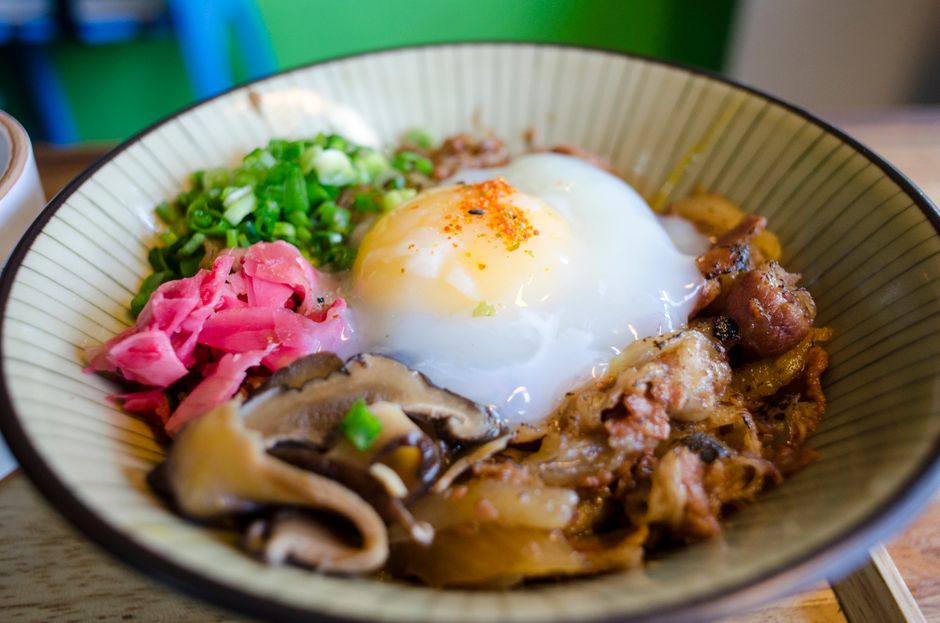
Umami Unveiled: The Fifth Taste and How to Master It in Your Cooking
Umami is more than just a peculiar word; it is a culinary revelation that can elevate your cooking from good to exceptional. As the fifth taste, alongside sweet, salty, sour, and bitter, umami has found its place in the pantheon of essential flavors. It is often described as a savory, brothy taste that lingers on the palate, giving dishes a depth that can transform everyday meals into gastronomic experiences. While the origins of umami can be traced back to Japan, where it was first identified by Dr. Kikunae Ikeda in the early 20th century, its influence has since permeated cuisines worldwide, offering countless opportunities for home cooks to explore and embrace this complex flavor.
One of the most fascinating aspects of umami is its scientific underpinnings. This elusive taste is primarily associated with glutamate, an amino acid found abundantly in foods such as tomatoes, mushrooms, and aged cheeses. Other compounds like inosinate and guanylate, found in fish and mushrooms respectively, also contribute to the umami experience. Understanding how these components work can dramatically improve your ability to craft dishes that are not only delicious but also nuanced. Mastering umami will allow you to create layered flavors that can captivate your diners and encourage them to return for more.
Home cooks often underestimate the power of umami, mistaking a complex flavor profile for difficult-to-achieve culinary wizardry. However, with a few simple techniques and ingredient adjustments, anyone can harness this remarkable taste. In our journey to unveil umami, we will explore its science, practical applications in cooking, and how to balance it with other flavors for a well-rounded dish. Before you know it, your kitchen will be infused with a new vibe, one where every bite bursts with savory goodness that not only satisfies hunger but also creates lasting memories around the dining table.
The Science of Umami
At its core, umami is linked to the presence of amino acids, particularly glutamate, as well as certain nucleotides. This section will delve further into the science behind umami and explain why it is such a critical element in culinary arts.
What is Umami?
While the term “umami” is often difficult to define, it is often explained as a rich, savory flavor that adds depth and complexity. It can be described as:
The predominant compound responsible for the umami taste is glutamate, which is naturally occurring in foods like Parmesan cheese, ripe tomatoes, mushrooms, and even certain soy sauces. When you taste umami, your palate experiences a strong, pleasurable sensation that can be addictive.
The Role of Glutamate
Glutamate is an amino acid that plays a vital role in the savory flavor profile. It works by binding to specific receptors on the taste buds that respond exclusively to umami. Specifically, glutamate reacts with the umami receptors, causing a strong signal to be sent to the brain, indicating flavor presence. The threshold for detecting umami is notably low compared to other tastes, meaning you only need a small concentration to perceive its delightful flavor.
Nucleotides and Their Contribution
In addition to glutamate, two other compounds are crucial in enhancing umami: inosinate and guanylate.
An example of this synergy can be seen when making a ramen broth using both dried mushrooms (rich in guanylate) and soy sauce (rich in glutamate). Together, they produce a broth that is incredibly satisfying and rich in umami.
“Understanding the building blocks of flavors allows you to create dishes that resonate on multiple levels, leading to a memorable culinary experience.”
Exploring Umami-Rich Ingredients
Incorporating umami-rich ingredients into your cooking is the easiest way to elevate any dish. They can be added to broths, marinades, or directly into dishes as flavor boosters. This section will introduce you to some of the most powerful umami-rich ingredients.
Fermented and Aged Ingredients
Fermentation is a powerful technique that amplifies umami. Fermented foods undergo chemical changes that concentrate flavors. Consider adding the following to your kitchen arsenal:
Meats and Seafood
Meats are not only rich in protein but also packed with umami. Here’s a list of meats and seafood you can use to boost umami in your cooking:
Vegetables and Mushrooms
Don’t overlook plant-based sources of umami, as many vegetables are laden with this savory flavor. Key umami-rich veggies include:
Dairy Products
Many cheeses and fermented dairy products contain significant amounts of umami:
By recognizing and utilizing these umami-rich ingredients in your cooking, you can enhance the flavors of your dishes and create meals that resonate with everyone at your table.
Techniques to Enhance Umami in Your Cooking
Now that you are aware of the ingredients that can enhance umami, it’s essential to explore practical techniques to maximize their flavor in your cooking. Here we will cover several methods that can help you achieve optimal umami flavor in your dishes.
Slow Cooking and Braising
Slow cooking and braising are methods that allow time for flavors to meld together, making them perfect for creating rich, savory dishes. Here's how to approach these techniques:
Cooking the dish low and slow allows the flavors to penetrate throughout the meat, resulting in tender, flavorful bites.
Roasting and Caramelizing
Roasting vegetables enhances their natural sugars, concentrating flavors and bringing out umami.
When making a roasted vegetable medley, don’t hesitate to add tomatoes or garlic skinned and coated with oil, as they will deepen the umami notes further.
Simmering Broths and Stocks
Making a rich broth is another effective way to build umami in your cooking. Whether you’re making chicken, beef, or vegetable broth, follow these guidelines:
A well-made broth can be the backbone of numerous dishes, from soups to risottos, giving them that exquisite umami punch.
Balancing Umami with Other Flavors
To truly master umami, it is crucial to understand how to balance this flavor with others. The best culinary creations achieve a harmonious interplay between all five tastes.
Sweetness and Umami
Sweetness can enhance the perception of umami, creating a harmonious flavor profile.
When creating a dish, consider how you might incorporate a hint of sweetness to accentuate the umami you have created.
Salinity and Umami
Salt amplifies all flavors, including umami.
Acidity and Umami
Acidity can cut through the richness of umami, providing balance to a dish.
“Culinary success lies in achieving a balance, and understanding how various flavors interact can elevate your dishes to new heights.”
Practical Umami Recipes to Try at Home
Now that you understand the components, techniques, and balancing of umami flavors, it's time to put this knowledge into practice. Here are a few recipes designed to showcase umami's delightful attributes:
Umami-Rich Mushroom Risotto
This creamy risotto takes advantage of the umami flavors found in mushrooms and broth.
#### Ingredients:
#### Instructions:
Classic Beef Bolognese
This rich and hearty sauce is a traditional Italian favorite that celebrates umami in its purest form.
#### Ingredients:
#### Instructions:
Easy Umami-Packed Ramen
Ramen can be a comforting dish combining umami-rich broths with delightful toppings.
#### Ingredients:
#### Instructions:
Conclusion
Embarking on the journey to master umami in your cooking opens up a world of culinary possibilities. By understanding the science behind this fifth taste, exploring umami-rich ingredients, and employing effective cooking techniques, you can elevate your dishes and satisfy even the most discerning of palates. Remember the importance of balancing umami with other flavors—sweetness, acidity, and saltiness—to create harmonious dishes that shine through in flavor.
Cooking is an art that flourishes with curiosity, experimentation, and practice. Allow your kitchen to be a playground of flavors where umami becomes a harmonious thread woven through everything you create. As you embrace this journey, you will not only elevate your culinary skills but also delight your friends and family with dishes that are unforgettable in their rich, savory satisfaction. So roll up your sleeves, gather your umami-packed ingredients, and become the chef you’ve always aspired to be, with every bite echoing a savory "thank you" of appreciation.


Get the Next Recipe
Weekly recipes, techniques, and gear picks — straight to your inbox.
