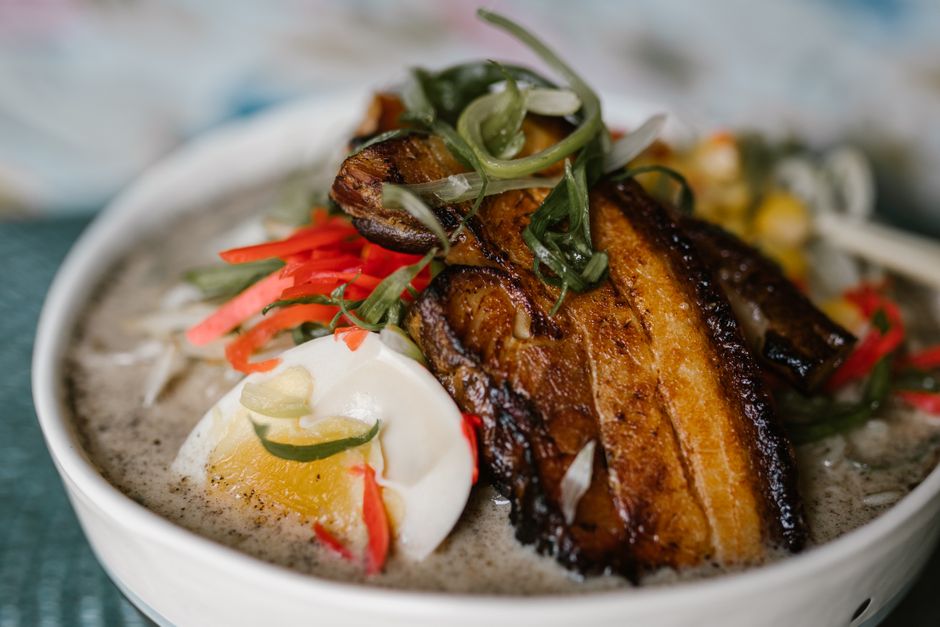
Umami Unveiled: The Fifth Taste That Changed Cuisine
The world of culinary arts is a fascinating one, rich with flavors and aromas that have captivated our senses for centuries. As home cooks, we often find ourselves chasing complex combinations of tastes, blending herbs and spices to create memorable dishes that tantalize the palate. Yet, amidst the symphony of sweetness, bitterness, sourness, and saltiness, there lies a fifth taste—umami. This less explored flavor has seamlessly woven itself into the fabric of cuisines around the globe, enriching our culinary experiences in ways we are only beginning to understand.
Umami, a term derived from the Japanese language, translates to "deliciousness." This savory taste is primarily associated with amino acids, particularly glutamate, and can be found in a variety of foods, from aged cheeses and fermented products to ripe tomatoes and savory meats. Understanding umami not only enhances the complexity of our dishes but can help us achieve that elusive balance of flavors that makes us return to our favorite meals again and again. Ready to elevate your culinary game? Buckle up as we delve into the science behind umami and how you can master it in your own kitchen.
While every chef has their secret to success, the incorporation of umami into their dishes remains a common practice. This sense of savoriness draws us in, satisfying our cravings for rich flavors while making dishes feel complete and gratifying. Whether you are a novice cook or a seasoned chef, grasping the essence of umami can undeniably elevate your approach to cooking, transforming the way you perceive flavors and enhancing your meals exponentially.
The Science of Umami
What is Umami?
Umami is often described as a taste that is savory, rich, and sometimes deeply complex. It can evoke sensations similar to those experienced when indulging in your favorite comfort food. The term "umami" was first coined by Japanese chemist Kikunae Ikeda in the early 20th century when he identified the distinct taste of monosodium glutamate (MSG) in broth made from kelp (kombu). Ikeda recognized that this savory taste was just as important as the four other fundamental flavors.
If we dig deeper into what constitutes umami, we find that the taste primarily arises from specific amino acids present in foods. Glutamate plays a significant role, but other compounds such as inosinate found in meat and guanylate found in mushrooms also contribute to the overall umami experience. Together, these components create a flavor profile that lingers on the palate and provides depth to dishes.
The Role of Umami in Cooking
Umami elevates food in a way that enhances its overall deliciousness. When incorporated into your dishes, it can lengthen the taste experience and deepen the flavor base. In culinary theory, we often refer to the “base notes” of a dish, which set the groundwork for the ensuing layers of flavor. Umami serves as a powerful base note and can permeate through the dish, adding those enriching depths that keep diners coming back for more.
Here are some key aspects of umami:
By understanding the role of umami, we can create dishes that are not only balanced but also deeply satisfying. It becomes an essential tool in a cook's repertoire.
Identifying Umami-Rich Ingredients
Common Sources of Umami
To harness the power of umami in your cooking, first, it’s vital to identify its primary sources. Different ingredients provide varied levels of umami, and knowing how to choose and combine them can dramatically alter the outcome of your dishes.
How to Incorporate Umami in Everyday Cooking
Understanding the sources of umami is one thing; knowing how to incorporate them effectively into your recipes is another. Here are some strategies to ensure that you are maximizing umami in your dishes:
“Great food is not just about taste; it’s about the complex interaction of flavors. Umami enables you to discover unseen depths in your favorite ingredients.”
Cooking Techniques That Enhance Umami
Roasting and Grilling
Roasting and grilling are transformative cooking techniques that not only deepen flavors but also enhance the umami profile of various ingredients. When we expose foods to high heat, we initiate the Maillard reaction, which occurs when sugars and amino acids interact, creating rich, savory compounds.
Fermentation
Fermentation is another powerful culinary technique that can unlock umami flavors. The breakdown of proteins into amino acids through fermentation processes releases glutamate, which is key to umami. Incorporating fermented products not only adds depth but also contributes a unique tanginess that can brighten up your dishes.
Deglazing and Saucing
In the last steps of cooking, don’t overlook the importance of deglazing your pans. This technique can help keep bold, savory flavors from going to waste.
This process not only captures the umami but also enriches your meal, making it feel overwhelmingly satisfying and full of flavor.
Umami-Packed Recipe Ideas
Classic Umami Risotto
One of the most beloved dishes that illustrates umami’s beauty is risotto. This creamy rice dish allows flavors to meld beautifully, ultimately creating a deliciously comforting meal.
Ingredients:
Method:
This umami-rich risotto showcases the depth and complexity of flavors that come from well-coordinated ingredients, creating a truly indulgent dish.
Bold Umami Pasta
Let’s take a look at how umami can take a simple pasta dish and elevate it beyond your typical spaghetti. This mushroom and anchovy pasta offers a rich, savory flavor that satisfies.
Ingredients:
Method:
This pasta dish demonstrates how the umami from anchovies combined with the earthiness of mushrooms can create a delightful symphony of flavors.
Overcoming Trends and Misconceptions
The Umami Debate
While umami has gained popularity in recent culinary conversations, it has not escaped scrutiny. Some claim that it has been inaccurately marketed or that MSG, erroneously demonized due to misconceptions, is harmful. The truth is that umami is a natural taste that exists in many foods, and understanding it requires a nuanced approach.
Embracing Umami in Various Cuisines
Umami transcends cultural boundaries and is widely incorporated into multiple cuisines around the world. Whether enjoyed through Asian fermented ingredients, Italian cheeses, or French sauces, umami finds its place universally.
Conclusion
Umami, often deemed the fifth taste, is an essential element within culinary practice that can unlock a new world of flavors and satisfaction for home cooks. By understanding the science behind umami, recognizing its sources, mastering techniques that enhance its presence, and celebrating its incorporation across various cuisines, we can transform our cooking and elevate our dishes to new heights.
As you embark on your journey to experiment and explore the magic of umami, remember that the heart of culinary art lies in creativity and passion. Don’t hesitate to play with flavors, learn from each experience, and, most importantly, enjoy the process. With umami in your arsenal, prepare to make every meal a memorable occasion, satisfying the palates of those you share them with.
Embark on this flavorful adventure, and there's no doubt you'll appreciate the renowned umami flavor—deliciousness, indeed!



Get the Next Recipe
Weekly recipes, techniques, and gear picks — straight to your inbox.
