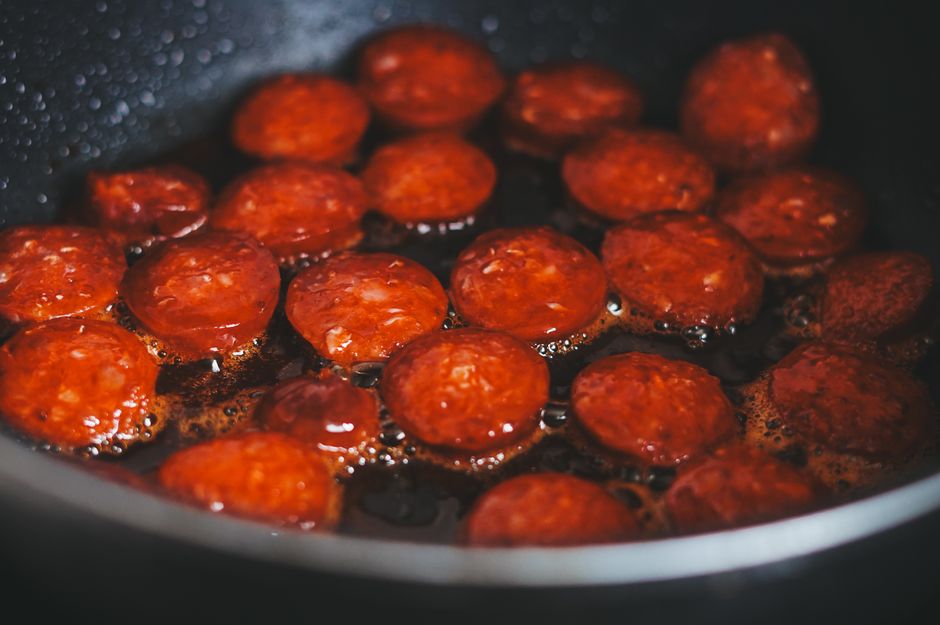
Umami Unveiled: The Fifth Taste That Transforms Your Cooking
Umami, a term that has become increasingly prevalent in the culinary world, is often referred to as the fifth taste—a sensation that blends sweetness, sourness, bitterness, and saltiness into a uniquely savory experience. Defined as a Japanese word meaning "delicious taste," umami describes the flavor profile that makes certain dishes utterly irresistible. While most of us are familiar with the basic four tastes, umami has a distinct and profound impact on flavor perception that can transform even the simplest of ingredients into a sublime culinary experience. It captures the essence of ingredients that have been skillfully prepared, often elevating a dish from ordinary to extraordinary.
Understanding umami necessitates a dive into its chemical foundation. The key players in this savory sensation are amino acids, particularly glutamate, and nucleotides such as inosinate and guanylate. These compounds are found in an array of common culinary staples—from aged cheeses and dried mushrooms to fermented products like soy sauce and miso. As home cooks, tapping into the depth of umami can significantly enhance our cooking. Using the right ingredients, employing proper techniques, and understanding how to layer flavors can lead to recipes that are rich, memorable, and deeply satisfying.
As we embark on this flavor journey, let's explore what makes umami so incredibly special. We'll dissect its importance in culinary practice, look at the science behind umami, and discover practical ways to incorporate this complex flavor into our every meal. From the kitchen novice to seasoned professionals, any cook can benefit from embracing umami, cultivating a palette that appreciates the richness of this taste, and ultimately delivering dishes that inspire delight with every bite.
The Basics of Umami: A Brief Overview
Umami is recognized widely as the fifth taste, yet many overlook its significance in the grand scheme of flavor. To fully appreciate what umami brings to the table, it's crucial to understand its biological, cultural, and practical implications.
What is Umami?
Umami was discovered in 1908 by Kikunae Ikeda, a Japanese chemist who sought to identify the unique flavor of kombu (a type of seaweed) broth. After isolating and identifying monosodium glutamate (MSG), Ikeda illustrated that this was the primary compound responsible for the rich flavor profile. It wasn’t until the early 21st century that scientists confirmed the existence of taste receptors on the human tongue specifically for umami. This discovery not only validated Ikeda's findings but also expanded our understanding of how flavors interact.
Modern culinary practices have shown that umami arises from a variety of sources, predominantly proteins. Foods rich in protein, upon fermentation or aging, often develop a greater umami presence. For home cooks, this means exploring ingredients like matured cheeses, cured meats, fermented soy products, and even certain vegetables. Recognizing these components will help expand a cook's toolkit in creating depth and complexity in their dishes.
The Importance of Umami in Cooking
Incorporating umami in your cooking isn’t just about adding flavor; it's about creating balance. Foods that are rich in umami can round out meals, making them more satisfying while nurturing your connections with those you cook for. Dishes that lack umami may feel flat, failing to create the excitement associated with memorable culinary experiences. This is why understanding how to construct umami-rich dishes is essential in elevating home cooking.
Additionally, umami has a remarkable ability to extend flavor longevity, meaning that dishes rich in umami not only taste better but remain delicious even after reheating. This quality makes umami-rich dishes ideal for meal prep and gatherings. When you present a meal that resonates with umami, you communicate care and mastery to your guests, encouraging them to savor each bite, deepening the overall experience.
The Science Behind Umami: The Molecules that Make it Delicious
Delving deeper into umami requires an exploration of the molecular structure that makes it possible. Here, we’ll uncover the essential compounds that contribute to umami and how they behave when cooked.
Key Compounds: Glutamate, Inosinate, and Guanylate
Glutamate is the star player in umami flavor. This amino acid is naturally found in various foods such as tomatoes, mushrooms, soy sauce, and Parmesan cheese. When proteins break down during cooking or fermentation processes, glutamate levels increase, enhancing umami flavor.
Inosinate is predominantly found in meats and fish. It’s released when these proteins are cooked, adding a unique umami punch to dishes like grilled steak or smoked salmon. Similarly, guanylate is primarily found in mushrooms and dried foods, enhancing the umami experience when combined with glutamate-rich foods.
Why is understanding these compounds essential for cooks? The combination of these elements can dramatically alter a dish's flavor profile. For example, using mushroom powder together with crushed tomatoes in a sauce not only amplifies umami depth but also introduces a level of complexity that would otherwise be missed.
Temperature and Cooking Techniques
The transformation of food's flavor involves scientific principles, such as the Maillard reaction and caramelization. The Maillard reaction takes place when proteins and sugars undergo a series of complex reactions at high temperatures. This process creates a vast array of new flavor compounds, significantly contributing to the overall umami flavor of grilled, roasted, or seared foods.
Understanding the optimal cooking temperatures and techniques can leverage umami significantly. For instance:
These techniques, when applied, not only enhance umami but create an opportunity for home cooks to explore texture and consistency, making dishes more appealing visually and palatably.
Culinary Applications of Umami: Beyond the Basics
Once the science of umami is understood, it’s time to explore practical applications that can take your cooking to the next level. Whether it's a stew or a salad, integrating umami can add richness and depth.
Umami-Rich Ingredients to Experiment With
Here is a list of some of the most powerful umami-rich ingredients to experiment with in your kitchen:
Utilizing these ingredients strategically can elevate even the simplest dishes, enhancing flavor and satisfaction.
Umami Layering Techniques
To maximize umami in any dish, consider the technique of flavor layering. This process involves incorporating multiple umami sources throughout preparation. Here’s how to go about it:
This technique ensures that umami permeates every aspect of the dish, creating a cohesive flavor experience.
How to Identify and Enhance Umami
To truly appreciate umami, it's essential to train your palate. When evaluating the umami presence in your cooking:
Developing your taste awareness can greatly enhance your cooking skills, allowing you to build dishes that are not only satisfactory but memorable.
Bringing It All Together: Recipes That Spotlight Umami
Understanding umami isn't just theoretical; it's essential to practice. Below are a few recipes that showcase umami and utilize various techniques and ingredients discussed.
Umami-Infused Mushroom Risotto
This mushroom risotto highlights umami at every turn, emphasizing its enriching texture and depth.
Ingredients:
Instructions:
This dish is the epitome of umami bliss, with each ingredient contributing to the overall depth of flavor.
Miso-Glazed Eggplant
This dish is a classic example of how miso can add complexity and umami to roasted vegetables.
Ingredients:
Instructions:
This miso-glazed eggplant is not only visually appealing but rich in umami, making it a gratifying side dish for any meal.
Exploring Global Umami: Cuisines Around the World
Umami is not only confined to specific ingredients; it beautifully exists in various cuisines around the globe. Understanding how different cultures embrace umami can inspire your cooking.
Japanese Cuisine
Japanese cuisine is perhaps the most associated with umami through ingredients like dashi—a traditional broth made from seaweed and dried fish. Dishes such as ramen, which combine rich broths with soy sauce or miso, showcase how umami serves as an anchor for flavors.
Mediterranean Cuisine
The Mediterranean region embraces umami through slow-roasted tomatoes, aged cheeses, and olives. Dishes like a classic Mediterranean ratatouille utilize layers of vegetables that each contribute a bit of umami while complementing one another.
Italian Cuisine
Umami-rich ingredients are abundant in Italian cooking, from ripe tomatoes that deepen sauces to aged cheeses that enrich salads and pasta. The practice of reducing sauces centers around building a concentrated flavor profile where umami flourishes.
Korean Cuisine
Korean food exemplifies umami through sauces and fermentations, with gochujang (red chili paste), doenjang (fermented soybean paste), and kimchi, which brings a potent umami punch.
By exploring global cuisines, you’ll be equipped with techniques and ingredient ideas that enhance the umami experience, stimulating every dinner around the world.
Conclusion
Umami, often celebrated yet frequently misunderstood, is an essential element of cooking that can bring unrestrained joy and flavor into your kitchen. By understanding what umami is and learning to identify the right ingredients and techniques to utilize within your cooking, you have the power to transform any dish. Whether you are crafting a simple broth or preparing a complex multi-course meal, consider how umami can harmonize and elevate flavors to create memorable culinary experiences.
It’s time to take your newfound understanding and experiment. Engage with umami and allow it to inspire your culinary creativity. From layering flavors to identifying key umami-rich ingredients, there is a wealth of opportunity to explore. Take off your apron, dive into diverse cuisines, and celebrate the joy of cooking through the magic of umami. Today, elevate your dishes not just by their deliciousness but by the stories and complexities found within each taste. Happy cooking!


Get the Next Recipe
Weekly recipes, techniques, and gear picks — straight to your inbox.
