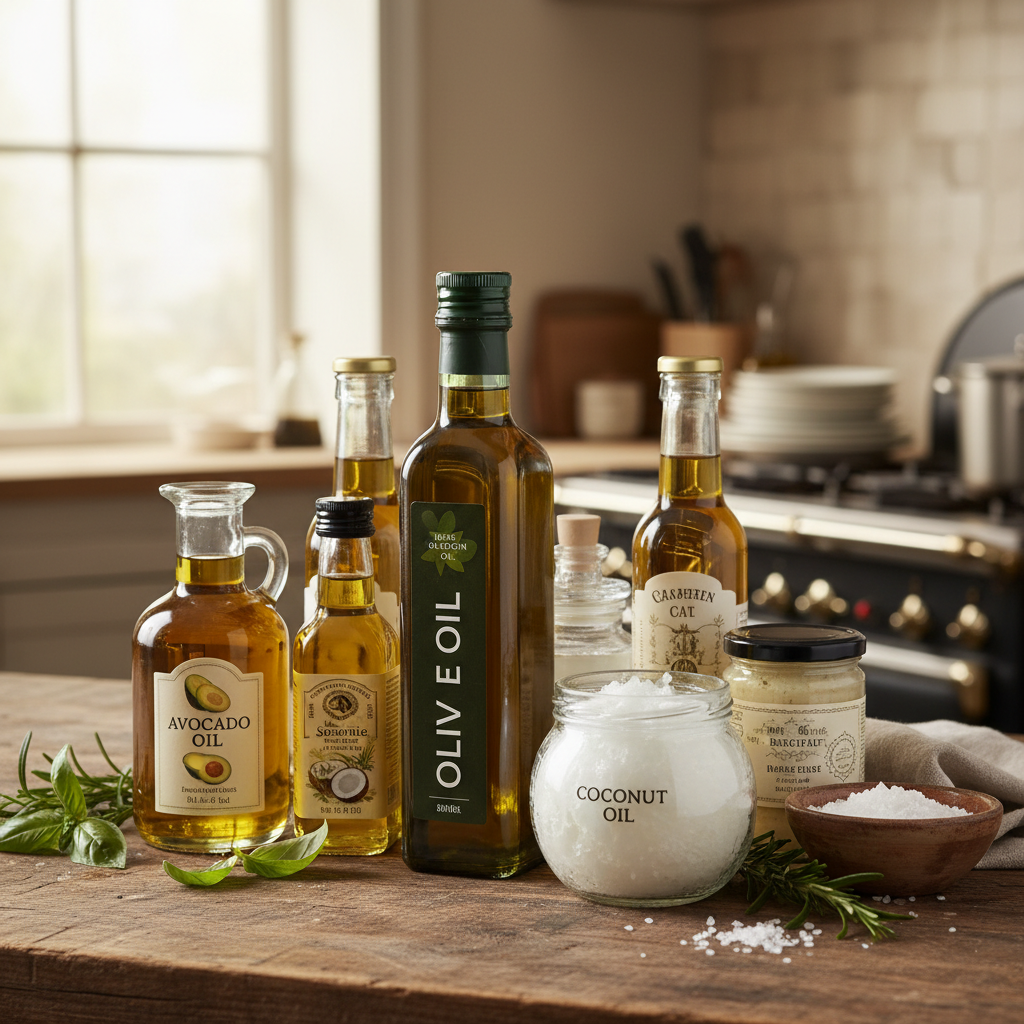
Understanding Cooking Fats and Oils
Ingredients

Understanding Cooking Fats and Oils

C
By The Chef
|February 17, 2026|11 Min Read

Understanding the role of cooking fats and oils can dramatically transform the way you approach cooking. Many home cooks might overlook the importance of these ingredients, but they truly are the backbone of flavor, texture, and nutritional value in our meals. From sautéing vegetables to deep-frying chicken, understanding the specific attributes of each type of fat can not only elevate your dishes but also improve your overall cooking techniques. With the right fats and oils, you can enhance the flavor profile of your dishes and achieve the perfect balance between health and indulgence.

Cooking fats and oils serve various functions in the kitchen, from imparting flavor to providing essential fat-soluble vitamins. For instance, foods such as vegetables, grains, and meat benefit significantly from the right choice of cooking fat during preparation. Additionally, fats and oils are vital for baking, as they bring richness and moisture to cakes, cookies, and breads. However, the variety of available fats and oils can be intimidating, given the nuances in smoke points, flavor profiles, and health aspects. Therefore, understanding these components can empower you to make the right choice for each culinary endeavor.

Moreover, selecting the right cooking fat involves considering not just flavors, but also health implications. As modern kitchens move toward healthier cooking practices, it's crucial to strike a balance between taste and nutrition. This blog post will explore the essential types of cooking fats and oils, provide guidance on their uses, and help you master the art of cooking brilliantly while taking your health into account.

Types of Cooking Fats and Oils

Cooking fats and oils can be classified into various categories based on their source—animal or plant—as well as their processing methods. Let’s break down these categories so you can better understand which fats to choose for specific cooking methods.

Animal Fats

Animal fats are derived from the tissues of animals and are characterized by their rich flavors and high smoke points. Key examples include:

●Butter: A beloved staple for baking and flavoring, butter has a rich taste but a relatively low smoke point of about 350°F (175°C). It contains about 80% fat and is perfect for sautĂ©ing or making sauces.
●Lard: Rendered from pork, lard is exceptionally stable for frying, with a smoke point of around 370°F (185°C). It provides a flaky texture for pastry and an unmistakable flavor profile.
●Ghee: This clarified butter is prized in Indian cuisine. By removing milk solids, ghee has a higher smoke point of around 450°F (232°C) and adds nutty richness to various dishes.
●Tallow: Rendered from beef or sheep, tallow has a smoke point of approximately 400°F (204°C). It works wonderfully for frying and roasting, imparting a distinct taste.

"The richness of animal fats can enhance your dishes to an unparalleled degree, bringing depth and texture that plant oils often can’t match."

Plant Oils

Plant oils are extracted from seeds, nuts, and fruits, making them a staple in modern cooking. They vary greatly in flavor and health benefits. Major types include:

●Olive Oil: Known for its health benefits and distinct flavor, olive oil has a smoke point of 375°F (190°C) for extra-virgin varieties. Use it for dressings, drizzling, or low to medium-heat cooking to preserve its flavor.
●Coconut Oil: This tropical oil has a smoke point of 350°F (175°C) and imparts a subtle sweetness. It’s solid at room temperature and is excellent for baking and frying.
●Canola Oil: With a smoke point of about 400°F (204°C), canola oil is highly versatile due to its neutral flavor and is often used for frying, baking, and salad dressings.
●Avocado Oil: A newer favorite in health-conscious cooking, avocado oil boasts a high smoke point of around 520°F (271°C) and provides a buttery flavor, making it ideal for high-heat cooking and salad dressings.

Nut and Seed Oils

Nut and seed oils can add a delightful nutty flavor to your dishes but often come with lower smoke points. Here are a few notable options:

●Sesame Oil: Popular in Asian cuisine, sesame oil comes in light and toasted varieties. Light sesame oil has a smoke point of around 410°F (210°C), while toasted sesame oil is best for finishing dishes, as its flavor is more intense.
●Peanut Oil: With a smoke point of about 450°F (232°C), peanut oil is ideal for frying, especially in Asian cooking, as it has a mild flavor that complements many dishes.
●Walnut Oil: Rich in Omega-3 fatty acids, walnut oil has a low smoke point of about 320°F (160°C), making it suitable for drizzling over salads but not for high-heat cooking.

The Importance of Smoke Points

Understanding the smoke point of cooking fats and oils is crucial for maximizing flavor and maintaining healthiness. The smoke point is the temperature at which oil begins to smoke and degrade, producing unpleasant flavors and potentially harmful compounds.

Effects of Overheating Oils

When oils are heated beyond their smoke point, several reactions occur:

1.Flavor Degradation: Oils lose their fresh taste and may become bitter.
2.Nutritional Loss: Beneficial nutrients might be destroyed at high temperatures.
3.Formation of Toxic Compounds: Some oils can produce acrolein, a toxic compound, when overheated.

That's why it’s vital to select an oil that can handle the heat you plan to apply. For example, if you’re roasting vegetables at 400°F (204°C), you'll need an oil with a smoke point above that.

How to Utilize Smoke Points Effectively

Here are some tips to help you utilize smoke points effectively in your cooking:

●Choose Wisely: Always select an appropriate oil based on the cooking method. For sautĂ©ing, choose oils with smoke points above the cooking temperature.
●Monitor Temperature: Use a cooking thermometer to maintain the right temperatures for frying and sautĂ©ing.
●Go Low: If you're unsure about the smoke point of an oil, it's safer to cook at lower temperatures to preserve its quality.
●Blend Oils: If you're working with a lower smoke point oil but want to employ it in a high-heat setting, consider blending it with a high smoke point oil.

"Understanding the smoke point is as essential as knowing how to properly season your food. It’s the difference between a dish that shines and one that burns."

Flavor Profiles of Cooking Fats

Each cooking fat has its own unique flavor profile, influencing how it complements or enhances the ingredients used in a dish. Here, we will explore some of the defining flavors associated with popular cooking fats and oils.

Analyzing Flavor Contributions

1.Butter: Rich, creamy, and slightly nutty, butter enhances the flavor of any dish, particularly in sauces, baked goods, and sautéed vegetables.
2.Olive Oil: With various grades—from the fruitiness of extra-virgin to the milder regular olive oil—olive oil can impart notes ranging from grassy to peppery, adding depth to salads, marinades, and dips.
3.Coconut Oil: This oil can lend a subtle sweetness and coconut flavor to dishes, making it a favorite for tropical recipes and baking—ensure to balance it with complementary flavors.
4.Sesame Oil: Toasted sesame oil offers a deep, nutty flavor that can enhance stir-fried dishes or dressings, while light sesame oil serves as a neutral base.

Choosing the Right Flavor for Dishes

When selecting a cooking fat, consider how its flavor will interact with your dish. Here are some ideas:

●For rich soups and sauces, use butter or lard to build a deep flavor base.
●When frying fish or meat, choose oils like peanut or canola for a neutral taste that won’t overwhelm the main ingredient.
●For salad dressings, opt for olive oil or avocado oil to add flavor depth without masking the other ingredients.

Health Considerations

With an increasing emphasis on health and wellness, understanding the nutritional aspects of cooking fats is more crucial than ever. Different fats impact our bodies in various ways, making it essential to choose wisely while cooking.

Understanding Fat Types

#### Saturated Fats

Saturated fats are typically solid at room temperature and are primarily found in animal products, such as butter and lard. While they contribute to the flavor and texture of dishes, excessive consumption can lead to health issues, including heart disease.

#### Unsaturated Fats

Unsaturated fats, on the contrary, are healthier for your heart and can lower bad cholesterol levels. They are abundant in plant oils like olive oil, canola oil, and avocado oil. These are split into:

●Monounsaturated Fats: Found in olive oil and avocados, these fats are beneficial and promote heart health.
●Polyunsaturated Fats: This category includes Omega-3 and Omega-6 fatty acids, commonly found in fish oil and flaxseed oil, crucial for brain function and cell growth.

#### Trans Fats

It's important to stay away from trans fats, which can harm cardiovascular health. These are often found in processed foods and some margarine, so always read labels carefully.

Tips for Health-Conscious Cooking

To incorporate healthier fats into your diet, consider these strategies:

●Balance Your Fats: Aim for a mix of saturated and unsaturated fats. Limit saturated fats while maximizing the intake of monounsaturated and polyunsaturated fats for better heart health.
●Use Fats Sparingly: Even healthy fats are high in calories, so use them in moderation to maintain a balanced diet.
●Explore: Don’t hesitate to experiment with different oils—you may find new flavors that enhance your cooking experience, like using walnut oil in salad dressings or sesame oil in stir-fries.

"Opting for healthier fats doesn’t mean sacrificing taste; it’s about making informed choices that nourish your body while delighting your palate."

Techniques for Cooking with Fats and Oils

Finally, cooking techniques play a significant role in how fats and oils are utilized. Here we will cover important methods and tips to get the most out of your chosen fats.

Sautéing

SautĂ©ing involves cooking food quickly in a small amount of fat over medium to high heat. Here’s how to do it right:

1.Choose the Right Pan: A heavy skillet or sauté pan works best to distribute heat evenly.
2.Preheat the Fat: Heat your chosen oil until it’s shimmering but not smoking, ideally around 375°F (190°C) for most oils.
3.Add Ingredients: Introduce your ingredients in batches if necessary to avoid overcrowding, which can lead to steaming rather than proper sautéing.
4.Monitor Heat: Adjust the heat as necessary to prevent smoking or burning. Stir frequently to ensure even cooking and flavor distribution.

Roasting

Roasting typically uses higher heat and results in complex flavors and tender textures:

1.Choose the Right Fat: Use oils with higher smoke points, like avocado or grapeseed oil, to prevent burning.
2.Coat Your Ingredients: Gently toss your vegetables or proteins in the oil, ensuring they are evenly coated.
3.Temperature Matters: Aim for roasting at approximately 400°F (204°C) for optimal caramelization.
4.Don’t Overcrowd: Allow for airflow around the ingredients—this will help them develop a crispy exterior.

Baking

Fats in baking serve multiple purposes, from flavoring to aiding in the rise and moisture of baked goods:

1.Temperature Control: Many baking recipes call for solid fats to be at room temperature. This ensures proper creaming with sugar for light and airy results.
2.Choose Wisely: Use butter for cookies for richness and shortbread, while oil works well in moist cakes and muffins.
3.Follow Ratios: When substituting fats in recipes, it’s essential to follow specific ratios—generally, replace solid fats with Ÿ cup of oil for every cup of solid fat used.
4.Incorporate Flavors: Don’t hesitate to enhance your bakes with flavored oils, like infused olive oil or melted coconut oil for a twist.

Conclusion

In the culinary world, the knowledge and application of cooking fats and oils are invaluable. They are not merely ingredients; they amplify flavors, enhance textures, and can impact your health positively or negatively. Understanding the differences between various fats—whether they derive from animals or plants, how they respond to heat, or their flavor profiles—allows you to make informed decisions in your cooking.

As we’ve explored, using the right fat can elevate any dish you create while balancing health concerns with delightful flavors. Remember always to consider smoke points, flavor compatibility, and nutritional impact when cooking. Armed with this knowledge, you can approach your cooking with confidence, creativity, and an unparalleled ability to transform everyday meals into exceptional dining experiences. As you experiment and learn, your cooking will become a more rewarding endeavor, and you'll find that understanding fats and oils lays the foundation for culinary mastery. Enjoy the journey, and happy cooking!


🧰 Gear for this recipe
Tools our chefs reach for when cooking this
Miyabi Birchwood Chef Knife 9.5 inch
Knives & Cutting
Miyabi Birchwood Chef Knife 9.5 inch
★★★★★4.9
$250-$320
View on Amazon
Thermapen ONE Instant Thermometer
Thermometers
Thermapen ONE Instant Thermometer
★★★★★4.9
$99-$109
View on Amazon

As an Amazon Associate we earn from qualifying purchases.

🍳

Get the Next Recipe

Weekly recipes, techniques, and gear picks — straight to your inbox.

No spam, ever. Unsubscribe anytime.

YesChef - Learn from the world's best chefs
© 2026 Blame The Chef
🍳

Never Miss a Recipe

Weekly recipes, kitchen tips, and gadget picks — straight to your inbox.

No spam, ever. Unsubscribe anytime.