Understanding Cooking Temperatures
Cooking is an art as much as it is a science, and understanding the intricacies of temperature is essential for any home cook eager to elevate their skills. Every ingredient has an ideal temperature that determines how it behaves during cooking. From the way proteins denature to how sugars caramelize, temperature plays a pivotal role in the transformation of raw ingredients into culinary masterpieces. Whether you’re searing a steak, baking a cake, or simmering a sauce, achieving the right cooking temperature is often the distinguishing factor between a dish that simply satisfies and one that dazzles.
When we talk about cooking temperatures, it's not just about sticking a thermometer into your food and calling it a day. It's about mastering a comprehensive understanding of how heat works in the kitchen. Different cooking methods require different temperature ranges, and these temperatures dictate texture, flavor, and even food safety. Ignoring these principles can lead to overcooked proteins, gummy pastries, or even foodborne illnesses. In cooking, as in many aspects of life, knowledge truly is power.
As we delve deeper into the science of cooking temperatures, we will explore the nuances of various cooking techniques, the critical temperature thresholds for different food groups, and the essential tools you need to get it right. By the end of this comprehensive guide, you will possess a robust understanding of how to utilize cooking temperatures to create delicious and safe meals consistently. So tie on your apron, grab your thermometer, and let’s embark on this culinary adventure!
The Importance of Cooking Temperatures
Understanding why cooking temperatures matter goes beyond just achieving a safe meal. Each temperature range influences how your food looks, tastes, and feels. For instance, cooking proteins such as chicken, beef, or fish at the appropriate temperature not only kills harmful bacteria but also enhances flavor and tenderness. In addition, methods like frying and roasting produce different textures, often dictated by the heat's intensity.
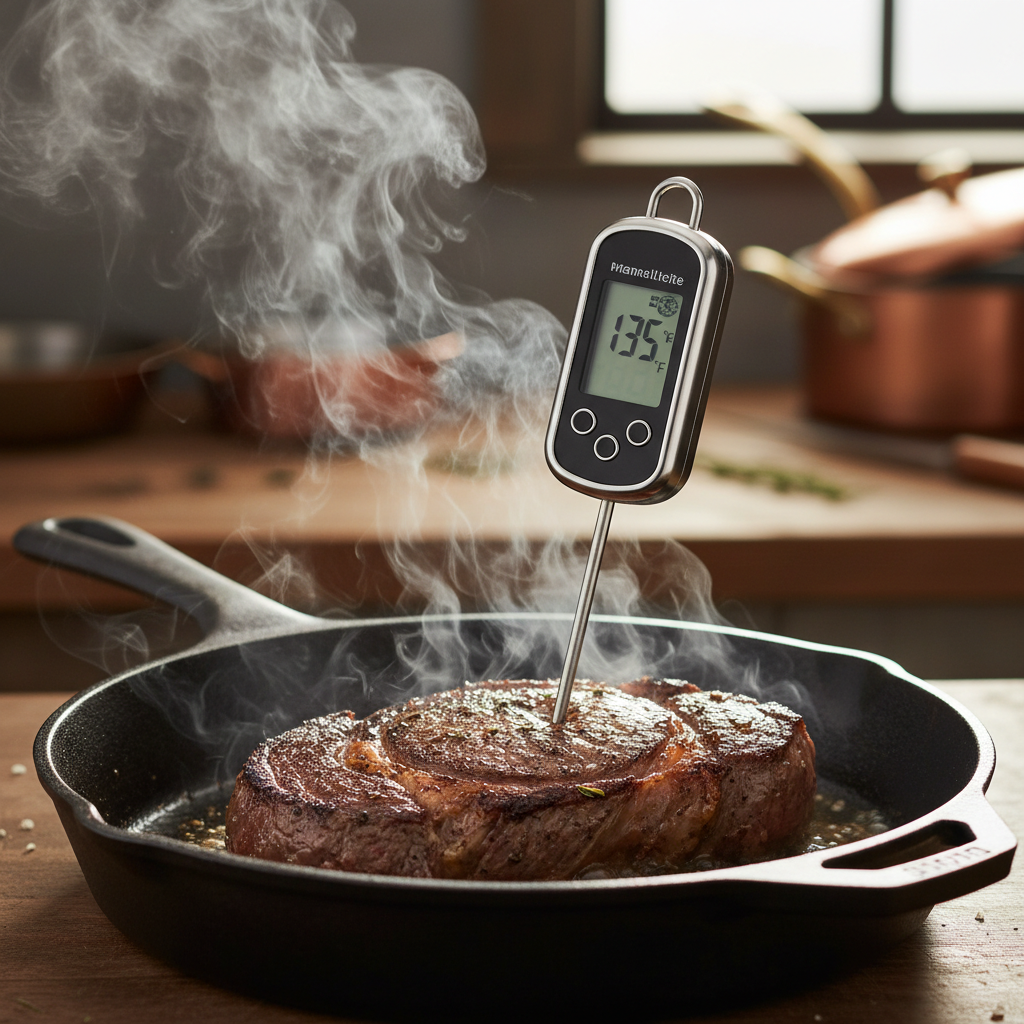
Cooking at the right temperature can also prevent the dreaded "overcooked" scenario. For meats, there are specific internal temperatures that ensure they are both safe to eat and perfectly cooked. For example, chicken should reach an internal temperature of 165°F (74°C) to be considered safe, while a medium-rare steak should register at 130°F to 135°F (54°C to 57°C). Knowing these temperatures allows you to confidently cook meat to your desired doneness without fear of compromising safety or quality.
Moreover, baking is an exact science, heavily reliant on precise temperatures. Cakes need to rise and set properly, which requires maintaining a steady temperature of around 350°F (175°C) in the oven. If the temperature is too low, you may end up with a dense, soggy cake; if too high, the outside may burn while the inside remains raw. Temperature control can be the determining factor in whether your meal meets or exceeds expectations.
Understanding Heat Transfer
Heat transfer is a fundamental concept in cooking that can dramatically affect the outcome of your dishes. There are three primary modes of heat transfer: conduction, convection, and radiation. Understanding these modes will not only help you grasp how different cooking techniques work but also enable you to use each method to its full potential.
Conduction
Conduction is the process of heat transfer through direct contact. In cooking, it’s typically seen in stovetop cooking and grilling. When you place a piece of chicken on a hot pan, heat moves from the pan into the chicken through direct contact. This method is ideal for searing meats, where a quick, high heat helps develop a flavorful crust.
In conduction, the thickness of the item being cooked also matters. Thinner cuts will cook faster than thicker ones, so keep this in mind when timing your dishes. For instance, a chicken breast might only take 6-8 minutes per side to cook through at medium-high heat, while a whole chicken will take much longer due to its size and density.
Convection
Convection refers to the heat transfer that occurs through the movement of fluids (liquids or gases). This mode is commonly found in ovens, where hot air circulates around the food, cooking it evenly. Convection cooking is particularly beneficial for roasting and baking.
When using convection, it's essential to arrange food properly in the oven. Allow space around each item to ensure that air can circulate freely, promoting even cooking. This arrangement is especially important when roasting vegetables or baking multiple trays of cookies.
Radiation
Radiation is when heat is transferred through electromagnetic waves, primarily visible in methods like grilling and broiling. For instance, when you broil a steak, you're exposing it to high-temperature radiation from above, which rapidly cooks the exterior while the interior can remain less done.
Each cooking method has its own best practices regarding heat transfer. Understanding these procedures not only enhances your cooking skills but aids you in troubleshooting when things don't go as planned.
Cooking Temperatures for Different Ingredients
Every food group has its own preferred cooking temperatures. Mastering these can dramatically elevate the quality and safety of your meals. Here’s an overview of critical temperature ranges for various ingredients to make your cooking experience smoother and your dishes more enjoyable.
Meats and Poultry
Proper cooking temperatures are non-negotiable when it comes to meats and poultry. Here’s a handy chart:
- Well Done: 160°F (71°C)
- Medium: 140°F to 145°F (60°C to 63°C)
- Rare: 130°F (54°C)
- Whole Chicken: 165°F (74°C)
- Ground Poultry: 165°F (74°C)
- Finfish: 145°F (63°C)
- Shellfish (Shrimp, Lobster, Crabs): Cook until pearly and opaque.
“Understanding the right temperatures for different proteins promotes not only safety but also ensures that they are juicy and flavorful.”
Using a reliable instant-read thermometer is a lifesaver for checking these temperatures. Insert it into the thickest part of the meat for accurate readings. Let meats rest for at least 3 minutes after cooking; this allows the juices to redistribute, resulting in a more flavorful dish.
Vegetables
Vegeta возables require different handling compared to proteins, with many benefiting from a flash cook to retain texture and nutrients. Here's a rundown:
Cooking vegetables thoroughly ensures their flavors become more pronounced while maintaining a healthy nutritional profile. Remember, overcooking can lead to soggy, flavorless results; a quick blanch can help preserve their vibrant color and crunch.
Grains and Pulses
Grains like rice or quinoa, and pulses like beans and lentils, also have specific cooking temperatures and times for perfect results.
- Long Grain White Rice: 1 part rice to 2 parts water, simmer for 18 minutes.
“Understanding how to cook grains and pulses can diversify your meals and enhance their nutritional profiles.”
Perfectly cooked grains are integral to many dishes, from salads to side dishes. Always allow them to rest after cooking for the best texture.
The Role of Analog and Digital Thermometers
While cooking can be an art form, precise tools can help fine-tune your creations. Thermometers are extremely valuable in the kitchen since they provide the most accurate means to check cooking temperatures.
Analog Thermometers
Traditional analog thermometers are time-honored devices that rely on mercury or alcohol to measure temperature. They can be quite reliable if used properly.
- Calibrate your thermometer regularly to ensure accuracy.
- Insert it into the thickest part of the food, avoiding bones or fat, which can skew results.
Digital Thermometers
Digital thermometers provide a much quicker reading and are generally easier to read. They come in various forms, including instant-read and probe thermometers.
When using any thermometer, ensure that you read it correctly, allowing the temperature to stabilize before taking your reading. Many home cooks gauge their food by feel or appearance, but there is no substitute for the reliability of a thermometer.
The Science of Sous Vide Cooking
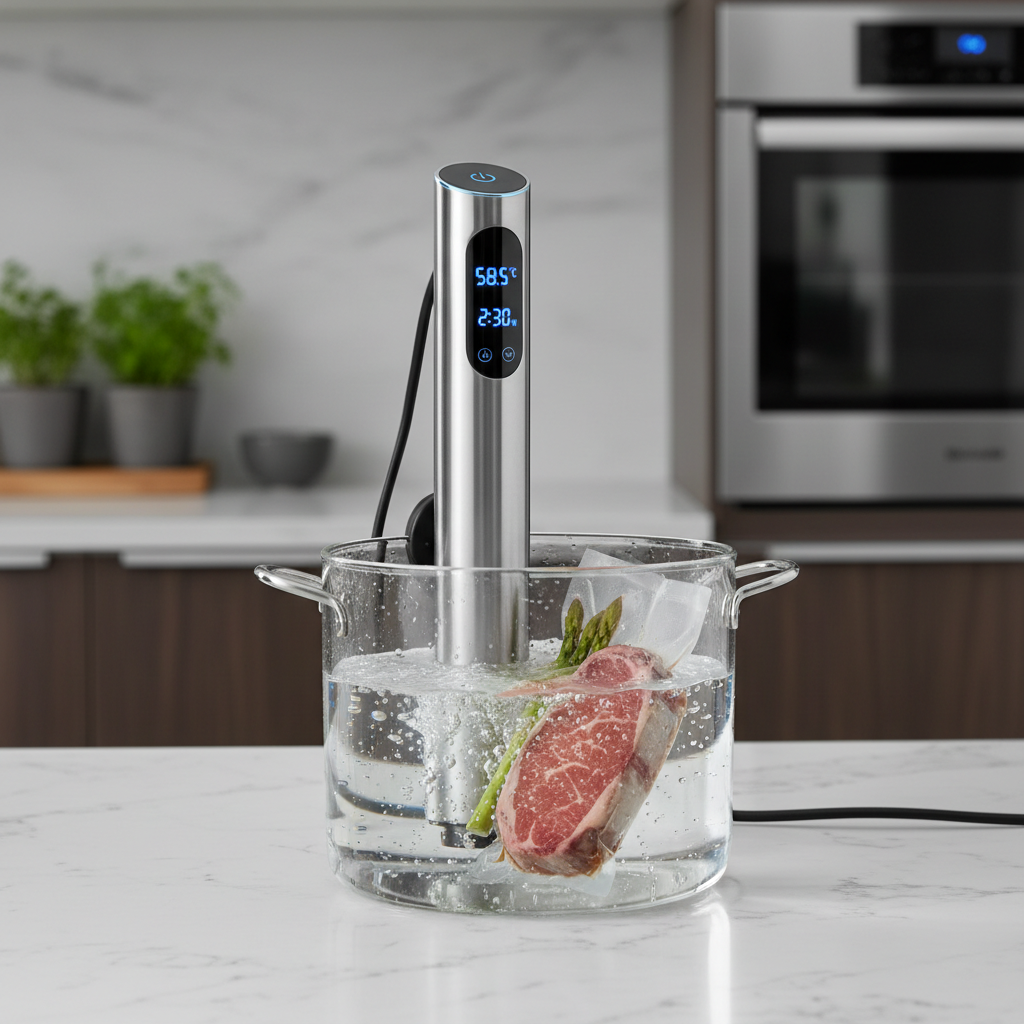
Sous vide cooking is a technique that relies heavily on temperature control. It involves vacuum-sealing food in a bag and cooking it to a precise temperature in a water bath. This method allows for even cooking and incredible flavor development, making it popular among both home cooks and professionals.
Benefits of Sous Vide
How to Sous Vide
- Chicken: 140°F (60°C) for tender, juicy meat.
- Steak: Cook to your desired doneness (usually between 130°F to 145°F (54°C to 63°C)).
Using sous vide might initially feel daunting due to the precision it requires. However, once you experience the wonderfully tender results, you'll understand why this technique has gained popularity in the culinary world.
Advanced Cooking Techniques
Once you're comfortable with the basics of cooking temperatures, you can start exploring more advanced techniques that are profoundly influenced by heat.
Infusing Flavors with Temperature
One advanced technique involves using temperature to extract flavors from ingredients, such as making infused oils or syrups.
- Heating olive oil to about 180°F (82°C) allows the herbal flavors to bloom without burning the oil.
- Combine herbs like rosemary or thyme with olive oil in a saucepan and let it sit on low heat for 20-30 minutes before straining.
- Combine equal parts sugar and water, then bring to a gentle simmer around 210°F (99°C).
- Add fruit (like berries) to extract their flavor and color, simmering for 15 minutes before straining.
Modernist Cooking
Modernist cooking employs advanced techniques such as spherification, emulsification, and foaming—all of which are temperature-sensitive.
Embracing these advanced techniques can expand your culinary repertoire, allowing you to present your dishes in groundbreaking ways.
Conclusion
In conclusion, mastering cooking temperatures is an invaluable skill for any aspiring home chef. With a solid understanding of how heat influences your ingredients, from proteins to grains, you will be better equipped to create dishes that dazzle in both presentation and flavor. Tools like thermometers will aid in ensuring your food is both safe and perfectly cooked, while advanced techniques will broaden your culinary horizons.
Elevate your cooking by experimenting with different temperatures and methods. Whether you’re trying your hand at sous vide, mastering the art of sous-vide cooking, or simply aiming for the perfect roast chicken, remember that knowledge is not just power, it's delicious. So, the next time you step into the kitchen, take a moment to reflect on the temperatures and techniques at your disposal. Your creations will thank you for it.
Ultimately, cooking is about joy, exploration, and the pleasure of sharing meals with others. Understanding cooking temperatures transcends mere numbers; it's about connecting with your ingredients and creating dishes that tell a story. Enjoy the journey, and happy cooking!
Get the Next Recipe
Weekly recipes, techniques, and gear picks — straight to your inbox.
