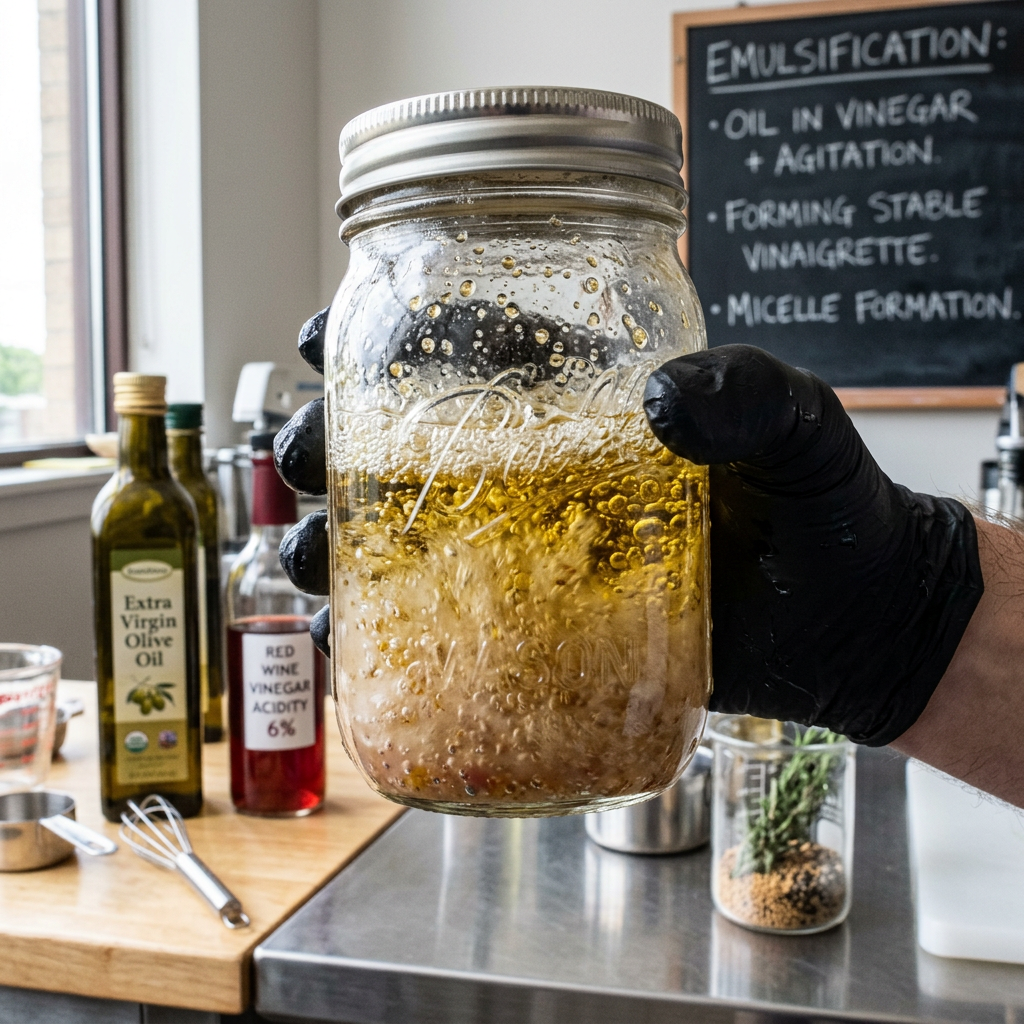
Understanding Emulsification in Cooking
In the world of cooking, few things are as transformative as the art and science of emulsification. This technique, often overlooked or misunderstood, is crucial for achieving the creamy textures and cohesive flavors that make many dishes truly exceptional. Whether it’s creating a velvety mayonnaise, a luscious vinaigrette, or a rich sauce like hollandaise, emulsification is the key to binding ingredients that would otherwise separate. By understanding the mechanics behind emulsification, home cooks can elevate their culinary repertoire and transform simple ingredients into sophisticated creations.
At its core, emulsification involves mixing two liquids that typically do not blend, such as oil and water. The process relies on the use of an emulsifier, a substance that stabilizes the mixture and prevents the liquids from separating. Common emulsifiers include egg yolks, mustard, and certain proteins. Understanding how to properly emulsify ingredients can lead to a range of culinary delights, from salad dressings that cling to vegetables to sauces that coat pasta beautifully. This blog post will guide you through the fundamentals of emulsification, offering insights into the different types, techniques, and applications that will enhance your cooking skills.
Additionally, mastering the art of emulsification can unlock endless possibilities in the kitchen, allowing for creativity and experimentation. Perfecting this technique means you'll be able to create dishes that are not only visually appealing but also sensational in taste and texture. Throughout this guide, you'll find practical tips, useful ratios, and step-by-step instructions designed to give you confidence in emulsifying various ingredients. So let’s dive into the intricate world of emulsification and discover how this essential skill can transform your cooking experience.
What is Emulsification?
Emulsification is the process that allows for the blending of two immiscible liquids—those that do not naturally mix, such as oil and vinegar. When these substances are vigorously whisked together in the presence of an emulsifier, they form a stable mixture known as an emulsion. There are two primary types of emulsions: oil-in-water (O/W) and water-in-oil (W/O). Understanding these two forms will help you determine how to best approach emulsifying for various culinary applications.
Types of Emulsions
Knowing the difference between these emulsions can help you to choose the right technique and conductor for your specific recipe.
The Role of Emulsifiers
Emulsifiers are the heroes of emulsification. They help stabilize the mixture by reducing the surface tension between oil and water, making it easier to combine these two elements. Some common emulsifiers include:
Utilizing emulsifiers properly can make or break your emulsion; using too little may cause the mixture to separate, while using too much can lead to a thicker-than-desired texture.
The Science of Emulsification
Understanding the science behind emulsification can significantly improve your technique in the kitchen. At the molecular level, oil and water do not mix because oil molecules are hydrophobic (water-repelling), while water molecules are hydrophilic (water-attracting). When you combine them, they naturally separate unless an emulsifier is introduced.
How Emulsification Works
When an emulsifier is added to a mixture of oil and water, it attaches itself to both types of molecules—one part is attracted to the water, and the other part is attracted to the oil. This connection allows the two liquids to come together in small droplets instead of separating instantly.
Here's a simplified overview of how emulsification happens:
Importance of Temperature
Temperature plays a crucial role in emulsification. For instance, emulsifying ingredients in a warm environment can often lead to better results, especially when working with butter and oils. Conversely, if you’re dealing with an emulsion that includes cream or eggs, ensuring they are at room temperature can promote better bonding.
Ideal Temperatures:
By controlling the temperatures of your ingredients, you’ll give your emulsification the best chance of success.
Techniques for Emulsification
While emulsifying may seem daunting, several techniques can simplify the process. Whether you prefer to whisk, blend, or shake, there’s a method for every home chef's comfort level.
Whisking by Hand
One of the oldest and most traditional approaches is the hand whisking method. This technique requires minimal equipment and allows you to control the emulsification process.
Steps for Hand Whisking:
Blending with a Food Processor
Using a food processor is an efficient way to emulsify larger batches and is particularly useful for sauces. This method is often used for making mayonnaise, pesto, and dressings.
Steps for Blending:
Shaking in a Jar
An excellent choice for homemade dressings is the shaking method. It’s simple and uses only a mason jar or any airtight container.
Shaking Steps:
This method is not only effective but also allows you to adjust the flavors to your liking easily.
Common Emulsified Sauces
By mastering emulsification, home cooks can create a variety of sauces that can elevate their everyday dishes. Let’s explore some classic emulsified sauces and the specifics needed to create them perfectly.
Mayonnaise
Mayonnaise is perhaps the most famous oil-in-water emulsion. At its essence, it consists of three key components: egg yolks, oil, and acid (like vinegar or lemon juice).
#### Perfecting Mayonnaise
- 1 large egg yolk
- 1 tablespoon mustard (Dijon or yellow)
- 1 cup oil (like canola or light olive oil)
- 1 tablespoon vinegar or lemon juice
- Salt to taste
Hollandaise Sauce
Hollandaise is an emulsified sauce made from egg yolks, melted butter, and lemon juice, thickened gently through a combination of heat and whisking.
#### Crafting Hollandaise
- 3 large egg yolks
- 1/4 cup water
- 1/2 cup melted butter (clarified if possible)
- 1 tablespoon lemon juice
- Salt and cayenne to taste
Vinaigrette
Vinaigrettes are generally easier to make and can quickly elevate salads and vegetables. The typical ratio for vinaigrette is 3:1 oil to vinegar.
#### Making Vinaigrette
- 1/4 cup vinegar (balsamic, red wine, etc.)
- 3/4 cup oil (extra virgin olive oil is recommended)
- Salt, pepper, and other seasonings to taste
Troubleshooting Emulsifications
Even with the best techniques and intentions, emulsification can sometimes go awry. When this happens, knowing how to troubleshoot is key to saving your preparation.
Common Issues and Solutions
- Restart: In a new bowl, whisk a fresh emulsifier (like an egg yolk) and then slowly incorporate the broken mixture.
- Add water: If it begins to separate, adding a small amount of water can sometimes bring it back together.
Best Practices
Creative Uses for Emulsification
Once you've mastered emulsification, you'll discover a plethora of creative uses for this technique. Here are several inspiring ideas to incorporate emulsions into your cooking.
Dressings and Sauces
A well-made emulsion is the backbone of countless sauces and dressings. Elevate your meals with homemade sauces beyond the standard mayo.
Soups and Purees
Emulsified oils can enhance the texture of soups and purees. Consider blending homemade sauces into vegetable soups for a creamy finish.
Desserts
Believe it or not, emulsification also finds its way into desserts, adding silkiness and richness to the final product.
Bastardizing Store-Bought Products
Once you become comfortable with emulsification, try enhancing store-bought sauces, dressings, and dips. Adding fresh herbs, spices, or citrus juices can transform a mundane product into something extraordinary.
Final Thoughts
Understanding and mastering emulsification can open up a new world of culinary delights. This essential technique is invaluable not only for creating packed-with-flavor sauces and dressings but also for improving the overall texture and presentation of your dishes.
From there, the possibilities are nearly endless, enabling you to shift from traditional to innovatively unique dishes. Armed with the knowledge of how emulsification works, what emulsifiers are best, and effective techniques, you're well on your way to elevating your cooking skills.
Incorporate emulsification into your cooking toolbox, and it won't be long before you see marked improvements in your culinary endeavors. So, whip out your whisk, break out that food processor, and guide your ingredients to a beautifully emulsified destiny!


Get the Next Recipe
Weekly recipes, techniques, and gear picks — straight to your inbox.
