
Understanding Fermentation: From Kimchi to Sourdough
Fermentation is a captivating process that transforms ordinary ingredients into extraordinary culinary creations. From the tangy crunch of kimchi to the airy rise of sourdough bread, fermentation plays a pivotal role in developing flavor, texture, and nutrition. At its core, fermentation harnesses the power of microorganisms—bacteria, yeast, and molds—that work tirelessly to break down sugars and other compounds, unlocking an array of delightful flavors and preserving food in the process. Understanding this age-old process can significantly empower home cooks and elevate their culinary repertoire.
As you embark on your fermentation journey, you'll find that the versatility of this method can be explored through various ingredients and techniques. Fermented foods not only provide a unique taste profile but also offer health benefits, including improved digestion and enhanced nutrient absorption due to the presence of probiotics. This blog post will delve deep into the science of fermentation, covering the foundational elements, the types of fermentation, and step-by-step guidance on how to create your own fermented delicacies at home.
Equipped with the right knowledge about fermentation, you can make informed choices about flavor development, control the fermentation environment, and troubleshoot common issues that might arise during the process. As you gain confidence, you will find that fermentation is not merely a science; it's an art form that allows you to connect with age-old traditions and express your creativity in the kitchen.
The Science Behind Fermentation
Fermentation occurs when microorganisms convert sugars into acids, gases, or alcohol, leading to the preservation of food and the development of distinctive flavors. There are several types of fermentation, including alcoholic, lactic acid, and acetic acid fermentation, each with its specific microorganisms and end products. Understanding these processes is essential for a deeper appreciation and execution of fermentation techniques.
The Role of Microorganisms
The primary agents in fermentation are bacteria, yeasts, and molds.
These microorganisms thrive in specific conditions, often requiring careful regulation of temperature, humidity, and other environmental factors. For example, lactic acid bacteria prefer anaerobic conditions, meaning they thrive without oxygen, which is why many fermented vegetables are submerged in brine during fermentation.
The Fermentation Process
The fermentation process can be broken down into several stages, each critical to developing the final product.
Understanding these stages will not only help you grasp the mechanics of fermentation but also enhance your ability to tweak recipes and flavors according to your preferences.
Types of Fermentation
There are several distinct types of fermentation, each yielding different results. Let's explore the most common types used in cooking.
Lactic Acid Fermentation
Lactic acid fermentation is perhaps the most accessible for home cooks, ideal for fermenting vegetables, dairy, and even grains.
To ferment cabbage into sauerkraut, follow these steps:
- 1 medium head of green cabbage (about 2-3 pounds)
- 1-3 tablespoons of kosher salt (adjust to taste)
- Remove outer leaves of the cabbage and set aside for later.
- Cut the cabbage into quarters, removing the core, and slice thinly.
- In a large bowl, combine the shredded cabbage with salt. Massage the cabbage for about 5-10 minutes until it releases its juices and becomes wilted.
- Transfer the cabbage into a clean glass jar (or fermentation crock), pressing it down firmly so that the juices cover the cabbage fully. This ensures anaerobic conditions.
- Use the reserved outer leaves as a lid on top of the shredded cabbage and add a weight on top to keep it submerged.
- Cover the jar with a cloth and secure it with a rubber band. Allow it to ferment at room temperature for 1-4 weeks. Taste periodically until you reach the desired level of sourness.
“The beauty of **fermentation** lies not only in its ability to preserve food but also in the depth of flavor it creates.”
Alcoholic Fermentation
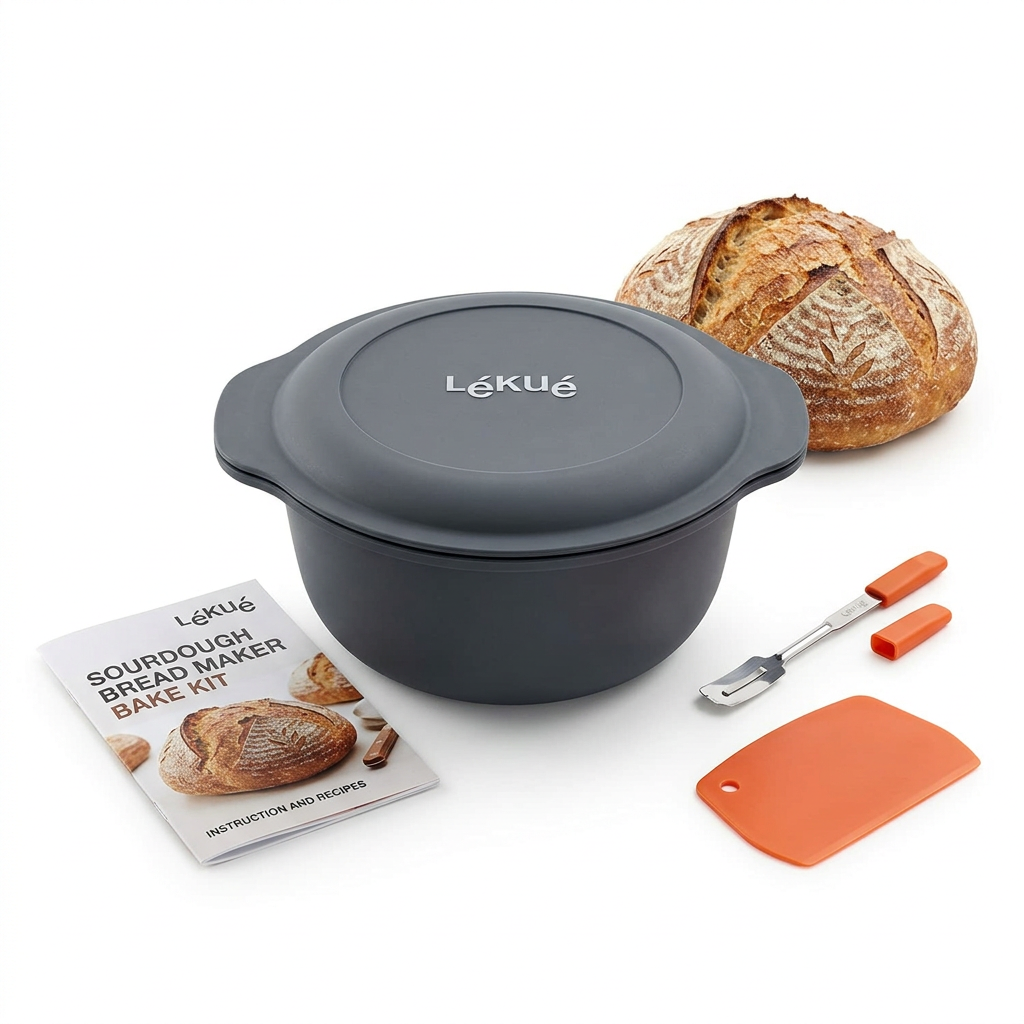
Alcoholic fermentation is primarily used in brewing beer and baking bread.
To make a simple sourdough starter, follow these steps:
- 100g all-purpose flour
- 100ml water (room temperature)
- Combine flour and water in a jar. Stir until it forms a thick paste. Loosely cover with a cloth and let sit at room temperature for 24 hours.
- Each day, feed your starter with another 100g of flour and 100ml of water. Discard half of the mixture to keep it manageable and aerated.
- Look for bubbles and a tangy aroma by day 5-7, indicating that it’s ready to use for baking.
- Store the starter in the refrigerator and feed it once a week if not in use.
This starter will encourage the natural yeasts and lactic acid bacteria to thrive, resulting in deliciously flavored bread.
Acetic Acid Fermentation
Acetic acid fermentation is essential in producing vinegar, adding tanginess to various dishes.
To create your own apple cider vinegar at home, you can follow this simple recipe:
- 6-8 apples (or apple scraps)
- 1 cup sugar
- 1 gallon water
- Chop apples or use scraps and place them into a clean glass jar.
- Dissolve sugar in water and pour over the apples, ensuring the fruit is fully submerged.
- Cover the jar with a cheesecloth to allow airflow while keeping out debris.
- Allow it to sit in a dark, warm place for 3-4 weeks, stirring once a week.
- After 4 weeks, strain out the solids and return the liquid to the jar. Cover again and let ferment for another 4-6 weeks until it reaches the desired acidity.
“Creating your own **vinegar** not only enhances your cooking but connects you to a process that has been cherished for thousands of years.”
Fermentation Techniques
The techniques employed in fermentation can vary widely depending on the desired end product. However, some key methods can be utilized across different types of fermentation.
Salting
Salting is one of the oldest preservation methods and plays a crucial role in lactic acid fermentation. Salt draws out moisture and creates an environment inhospitable to undesirable microorganisms while promoting the growth of lactic acid bacteria.
- Use sea salt or kosher salt, avoiding iodized salt, which can inhibit fermentation.
- A typical salt concentration for fermenting vegetables is 2-3% of the weight of the produce (e.g., for 1kg of vegetables, use 20-30g of salt).
Temperature Control
Temperature significantly affects fermentation outcome. Different microorganisms thrive at different temperatures.
- Lactic acid fermentation: 20-25°C (68-77°F)
- Alcoholic fermentation: 25-30°C (77-86°F)
- Acetic acid fermentation: 15-30°C (59-86°F)
Pro Tip: Invest in a thermometer to monitor fermentation conditions effectively!
Time Management
Fermentation is a time-sensitive process, but patience often yields the most flavorful results.
- Foods like kimchi may require anywhere between 2 days to several weeks, depending on the desired taste and aroma.
- Some products, like sourdough bread, benefit from additional fermentation times, leading to stronger flavors and better texture.
Monitoring Fermentation
Regularly check your ferments to assess flavor, texture, and the activity of your cultures. Look for signs indicating readiness:
It’s essential to listen to your ingredients and not rush the process, as the most profound flavors often develop over time.
Troubleshooting Common Fermentation Problems
As rewarding as fermentation can be, it’s not without its challenges. Being able to identify and troubleshoot potential issues will enhance your success.
Mold Formation
Mold can develop when food is not submerged in its preserving liquid.
Off Flavors
Strange or unpleasant odors can arise from a compromised fermentation environment.
Slow Fermentation
Sometimes, fermentations can take longer than expected.
- Check the temperature; if it’s too cold, fermentation may slow down.
- Ensure you're using an active culture or starter.
When faced with challenges, remember that fermentation is part science and part art. Trust your instincts, and don’t be afraid to experiment!
Exploring Fermented Foods from Around the World
Fermentation is a global practice, with each culture contributing unique foods and techniques that showcase their regional ingredients.
Asia: Kimchi and Miso
Often considered a national dish in Korea, kimchi is a spicy fermented vegetable dish made primarily with napa cabbage.
- Napa cabbage
- Korean red pepper flakes (gochugaru)
- Garlic, ginger, and fish sauce
The fermentation process typically lasts 1-3 weeks, resulting in a probiotic-rich accompaniment to rice and meat dishes.
Miso, a staple in Japanese cuisine, is another example of fermentation that utilizes soybeans and koji (a fermentation starter). Miso can vary in color and flavor based on fermentation time:
Europe: Sauerkraut and Cheese
Sauerkraut has become a symbol of German cuisine. Fermented cabbage paired with sausages or pork is a traditional offering, and it boasts digestive health benefits due to its lactic acid content.
Cheesemaking employs fermentation processes that involve both bacteria and molds, resulting in various cheese types. For instance:
South America: Fermented drinks
Chicha, a traditional South American beverage, utilizes corn fermentation. The corn is chewed and mixed with saliva, allowing naturally occurring enzymes to break down starches, creating a mildly alcohol-infused drink.
Kefir, a fermented milk drink originating from the Caucasus region, contains beneficial bacteria and yeasts, providing a rich source of probiotics.
Conclusion
Understanding fermentation is like unlocking a treasure chest of culinary creativity, flavor development, and health benefits. With each batch of ferment, you not only engage with a timeless technique but also connect with cultures, traditions, and histories that span millennia. Whether you are diving into the world of kimchi, sourdough, or pickling vegetables at home, the versatility and rewards of fermentation await in your kitchen.
Armed with the knowledge of the science behind fermentation, the variety of techniques available, and the global impact of these food traditions, you can elevate your cooking skills and promote a deeper appreciation of gastronomy. Each fermented food tells a story, and by becoming a home fermenter, you are writing your own chapter in this age-old practice.
So, gather your ingredients, don your apron, and embark on a fermentation journey that will not only tantalize your taste buds but also enrich your culinary experience. Remember, the art of fermentation requires patience, but the results are delicious, nutritious, and well worth the wait. Happy fermenting!



Get the Next Recipe
Weekly recipes, techniques, and gear picks — straight to your inbox.
