Understanding Flour Types: Bread, Cake, and All-Purpose Explained
Flour is one of the most essential ingredients in the culinary world, serving as the backbone for a wide variety of baked goods. Whether you're whipping up a simple loaf of bread, an elegant cake, or a batch of cookies, the type of flour you choose can dramatically affect the outcome of your dish. With so many options available on the market, it can be overwhelming for home cooks to navigate the intricacies of flour types. Understanding the differences among bread flour, cake flour, and all-purpose flour is crucial for elevating your baking skills and ensuring that each recipe you create comes out perfectly every time.
At its core, flour is ground grains—most often wheat— and its characteristics depend on the type of grain and the milling process. The two main factors that influence flour's behavior in recipes are protein content and gluten formation. These factors play significant roles in texture, structure, and flavor in your baked goods. For instance, bread flour has a higher protein content than all-purpose flour, making it ideal for yeast breads that require a strong gluten network for good rise and chew. On the other hand, cake flour's lower protein content creates a tender crumb, perfect for lighter, airy cakes.
Culinary professionals know that the right flour can take your baking from mediocre to magnificent. As you gain a deeper understanding of the various types of flour—like bread flour, cake flour, and all-purpose flour—you will learn how to choose the correct one for each recipe and technique. This knowledge not only enhances your baking but also builds confidence in the kitchen, empowering you to experiment and personalize your culinary creations.
The Basics of Flour
What is Flour?
Flour is essentially a powder made from wheat, though it can also be derived from other grains like rice, corn, or barley. The milling process transforms the raw grains into the fine powder we use in our kitchens. The main component of flour is starch, but it also contains varying amounts of protein, depending on the type of grain and its processing.
There are many types of flour available, but they can generally be categorized into two main categories: whole grain flour and refined flour. Whole grain flour includes the entire grain, including the bran, germ, and endosperm. This type of flour retains more nutrients and has a richer flavor but can produce denser baked goods. Refined flours, like all-purpose and cake flour, have been stripped of the bran and germ, resulting in a lighter texture that is often easier to work with for certain recipes.
How is Flour Made?
The creation of flour begins with harvesting grains, and the type of grain you choose can significantly impact the final product. Wheat is the most common grain used for flour production, with hard wheat varieties being preferred for their higher gluten content. The grains undergo several steps during the milling process:
The Role of Protein in Flour
The protein content of flour is what primarily dictates its baking properties. Protein flour converts into gluten when water is added and the dough is kneaded. Gluten provides elasticity and structure, which is vital for many baked goods.
Different Types of Flour
All-Purpose Flour
All-purpose flour is the workhorse of any kitchen. It strikes a balance between lower and higher protein flours, making it suitable for a vast array of baking tasks, from cookies to pancakes to pie crusts. Most recipes will recommend all-purpose flour unless otherwise noted.
One of the best uses for all-purpose flour is in recipes where a moderate amount of gluten is needed without overwhelming the final product. This is ideal for dishes where you want a tender yet structured outcome.
Key Characteristics of All-Purpose Flour:
**"All-purpose flour offers the ultimate flexibility for bakers, making it a must-have in every kitchen."**
Bread Flour
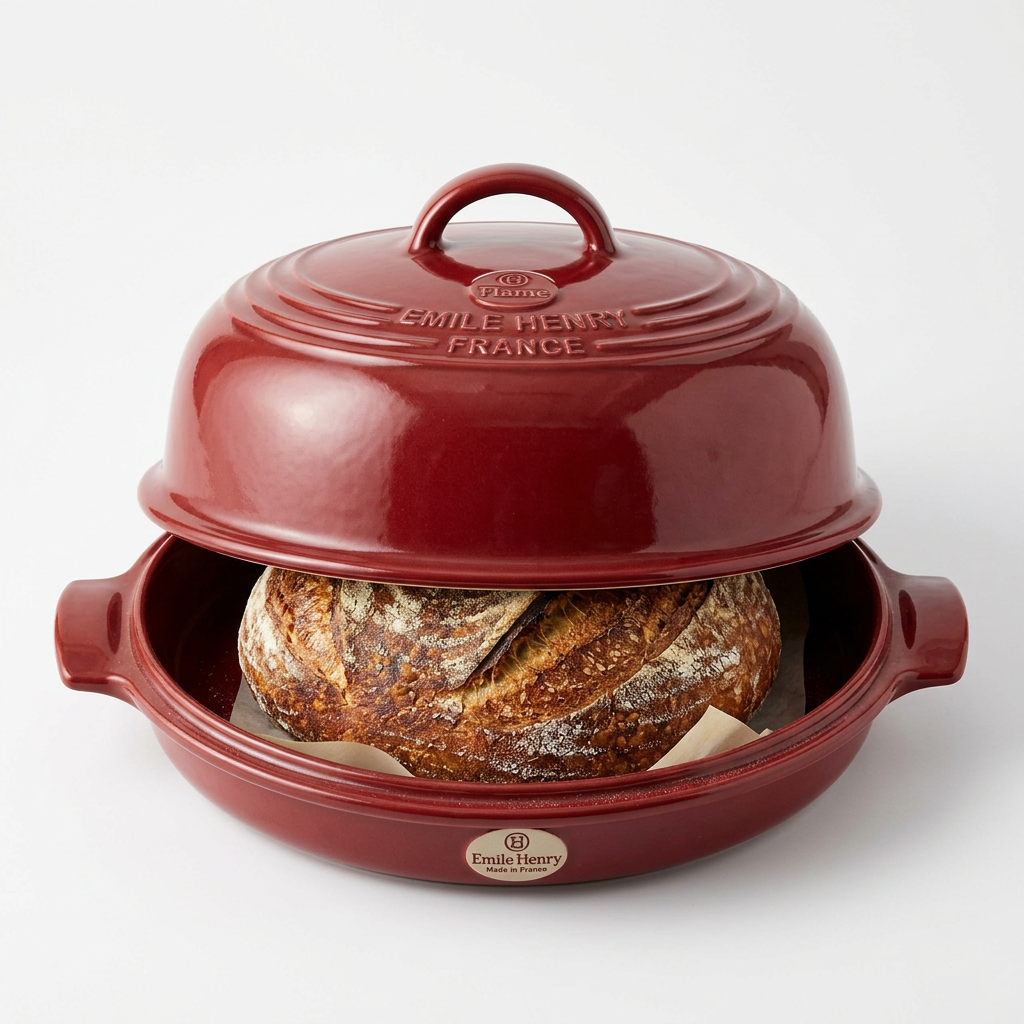
As the name suggests, bread flour is specifically designed for yeast breads. Its high protein content allows for the development of more gluten, which is crucial for trapping the gases released during fermentation. This results in a higher rise and chewier texture, making bread flour the key to achieving maximum volume.
When working with bread flour, you’ll often want to employ techniques such as kneading, stretching, and folding to develop the gluten properly. Here are some pro tips:
Key Characteristics of Bread Flour:
Cake Flour
Cake flour is designed to create tender, fluffy baked goods like cakes and delicate pastries. Its low protein content reduces gluten formation, leading to a lighter texture. Baking science also suggests that the finer grind of cake flour allows for more air incorporation, which contributes to an airy crumb.
When working with cake flour, it’s crucial to handle it gently to maintain its lightness. This can be achieved through proper mixing methods, such as the "reverse creaming" method, where you mix the fat and sugar before adding in the flour.
Key Points About Cake Flour:
**"Utilizing cake flour can transform your cakes from dense to divine."**
Whole Wheat Flour
Whole wheat flour incorporates the entire wheat grain, providing more nutrients and fibers compared to refined flours. However, the increased fiber can lead to denser baked goods, which might not rise as much as those made with white flour. To achieve a balanced texture, it is often recommended to use a mix of whole wheat and all-purpose flour.
Specialty Flours
Beyond the common types of flour, there are also specialty flours designed for unique baked goods or dietary needs. These include:
How to Choose the Right Flour
Assessing Your Recipe
When selecting the right flour for your recipe, it’s essential to consider the desired end result and the techniques you will employ.
Understanding Gluten
Bakers must also understand how gluten affects their creations. When working with flour, the amount of kneading and hydration can dramatically impact the gluten development.
Baking Techniques
The techniques you adopt can also influence your choice of flour. For example:
Alternative Options
If you’re in a mixed-flour scenario, you can create a unique blend that enhances your dish.
Blend Ideas:
The Science of Baking with Flour
pH Levels and Flour
The pH level of your water and ingredients can affect flour’s performance. Most flours work best in slightly acidic environments, which can improve gluten strength.
Hydration Ratios
Different flours absorb water differently due to their protein and starch content.
This knowledge allows you to make precise adjustments in recipes for optimal hydration.
Temperature Considerations
The temperature at which ingredients are combined can significantly influence your final product.
Common Mistakes when Working with Flour
Overmixing
One of the most frequent issues bakers face is overmixing the batter, leading to dense baked goods. This is particularly important when dealing with cake flour.
Incorrect Measurements
Baking is a science; precise measurements are crucial for success.
Using the Wrong Type of Flour
Using cake flour when bread flour is called for—and vice versa—can lead to disaster. Ensure you’re following the recipe closely and know which flour to use.
**"Avoid the common pitfall of substituting flours without understanding their unique properties."**
Conclusion
Understanding the different types of flour and their specific uses can dramatically elevate your baking experience. From the sturdy bread flour that creates perfect loaves to the delicate cake flour that yields soft and airy cakes, each type of flour has its place in the kitchen. All-purpose flour offers a convenient compromise for various recipes, but knowing when to reach for specialty flours can make a real difference in the final product.
By mastering flour selection and baking techniques, home cooks can experiment with their recipes, finding the right balance of flavors and textures to create dishes that truly impress. Remember to consider protein content, hydration ratios, and proper mixing techniques when working with flour. With practice and experimentation, you will not only understand how to choose the right flour for your recipes, but also elevate your overall baking skills.
Now, every time you sift flour or mix dough, you'll have the confidence that comes from knowing exactly what you’re working with. Happy baking!
Get the Next Recipe
Weekly recipes, techniques, and gear picks — straight to your inbox.
