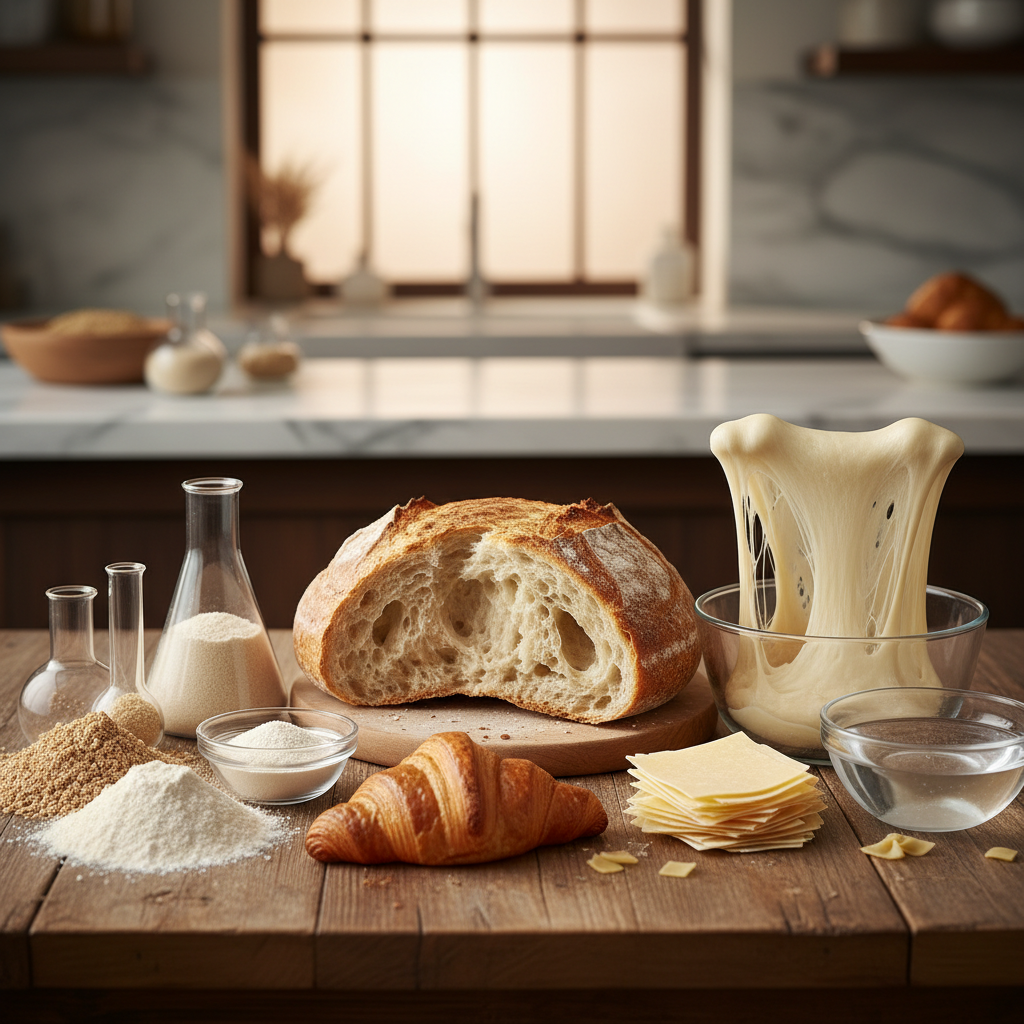
Understanding Gluten: Structure and Technique
Understanding the intricacies of gluten is paramount for any home cook looking to deepen their culinary skills. Gluten forms a critical part of many baked goods, from the chewy crust of a baguette to the tender crumb of a cake. While you may have baked your fair share of bread or pastries, a closer examination of gluten’s structure and the techniques that manipulate it can refine your approach to cooking. Not only will this understanding enhance your baking results, but it can also open a whole new perspective on other cuisines that utilize gluten-rich ingredients.
At its core, gluten is a combination of two proteins, glutenin and gliadin, found in wheat and other grains like barley and rye. When water meets flour, these proteins glutenize, creating a network that provides elasticity and strength to dough. This network is essential for capturing gases produced during fermentation, which leads to the rise we expect in many bread varieties. However, handling gluten requires finesse as well; the methods that strengthen gluten can also lead to a tougher texture if not approached correctly. Consequently, mastering gluten’s behavior can greatly influence the texture and flavor of the final product.
The world of gluten is rich with techniques and considerations that every home cook should explore. From choosing the right flour to mastering kneading, fermentation, and baking, each step plays a crucial role in the final outcome. As we delve into the nitty-gritty of gluten, we will uncover methods to improve your baking, troubleshoot common issues, and elevate your overall cooking. So roll up your sleeves and prepare to dive into the essential nature of gluten because understanding it is the first step toward baking mastery.
The Science Behind Gluten
What is Gluten?
Gluten is typically defined as a proteins complex formed when flour is mixed with water. It plays a pivotal role in baking and cooking, particularly in recipes that require elasticity and texture. Glutenin, the stronger of the two proteins, provides strength and elasticity, while gliadin offers extensibility. Together, they create a framework that allows dough to hold air bubbles, which is crucial for the rise in yeast-leavened products.
While gluten is commonly associated with wheat, it's important to note that other grains such as barley and rye also contain gluten in varying degrees. For those with gluten sensitivities or celiac disease, avoiding these grains is necessary, but it also presents a challenge when seeking suitable alternatives that still provide satisfying textures.
Knowing the composition of gluten enables us to manipulate it through various techniques, affecting the final texture of our baked goods significantly. When we knead dough, for instance, we enhance gluten formation, leading to a stronger network that can trap air and create a light, airy product. Alternatively, gently mixing a batter will yield a tender crumb ideal for cakes and pastries since it prevents excessive gluten formation.
Gluten Formation Process
The development of gluten begins when flour and water are combined. Initially, between 50% to 60% of the proteins swell in the presence of moisture, forming a gelatinous matrix. As you knead the dough, mechanical action helps elongate the gluten proteins, resulting in a more cohesive structure.
A common test for gluten development is the windowpane test: Take a small piece of dough and stretch it gently between your fingers. If it forms a translucent membrane without tearing, the gluten is well-developed. This technique is particularly vital in bread baking, where a robust gluten network is critical to the final loaf's structure.
"Understanding gluten formation can be the difference between a great loaf of bread and a disappointing one."
Types of Flour and Their Gluten Content
Not all flours are created equal when it comes to gluten content. The type of flour you select will significantly influence your baking results. High-gluten flours, such as bread flour, contain around 12-14% protein and are ideal for yeasted bread, pizza dough, and bagels. Meanwhile, all-purpose flour, which contains approximately 10-12% protein, is versatile for various recipes, lending itself to both baked goods and pastries without becoming overly tough.
#### Flour Types and Their Applications
Choosing the appropriate flour type is essential for achieving the desired texture in each recipe. Consider how the flour’s gluten content correlates to the lift, rise, and chewiness needed for your dish. For instance, if you substitute bread flour for all-purpose flour in a cake recipe, you might find the cake denser and less tender because of the increased gluten development.
Techniques for Managing Gluten
Kneading Techniques
Kneading serves as a key method in gluten development, but it’s crucial to knead appropriately to avoid overworking the dough. Over-kneading can lead to tough, chewy textures rather than the light, airy characteristics desired in many baked items.
#### Methods of Kneading
Autolyse Method
The autolyse method is a process where flour and water are mixed and allowed to rest before any additional ingredients are added. This technique promotes gluten development and improves dough extensibility, creating a smoother texture without the need for extensive kneading. The steps are as follows:
The benefits of autolyse include:
Understanding Proofing
Proofing is the final step before baking, allowing the gluten network to develop flavor and texture. During this phase, the dough should ideally rise until nearly double its size. Timing varies depending on the temperature and the specific recipe. For home bakers, a warm environment (about 75-85°F) encourages fermentation.
#### Stages of Proofing
The proofing time can be adjusted depending on how fast or slow you need your dough to rise. A longer proofing time may enhance the flavor through complex fermentation processes, so consider allowing it to rise in the fridge overnight for added depth.
"Gentle handling is the secret to excellent bread; too much force can ruin the delicate balance of gluten."
Common Gluten Issues in Baking
Toughness of Bread
One of the most common issues home bakers encounter is toughness in bread. This typically results from over-kneading or using a flour with too high a protein content.
#### Remedies
Crumb Structure Issues
If your bread has a dense or irregular crumb, the gluten development may not have been optimal. Here are some troubleshooting tips:
Baking Temperature and Time
Another critical factor that often gets overlooked is the baking temperature and time. Baking at too low of a temperature can inhibit proper oven spring, resulting in dense bread. Generally, bread should bake at 425°F to 475°F depending on the type. A consistent oven temperature enhances the strength of gluten as well, producing a better structure.
Alternative Gluten-Free Baking Techniques
Understanding Gluten-Free Alternatives
For those with celiac disease or gluten sensitivity, navigating the world of baking can be challenging. However, various gluten-free flours and starches can replace traditional wheat flour. Understanding how these different flours behave is vital as they do not perform the same way as wheat.
#### Common Gluten-Free Flours
Blends for Best Results
Creating a gluten-free blend often yields the best results. A good ratio to start with is:
#### Binding Agents
Because gluten is not present in gluten-free flours, binding agents such as xanthan gum or guar gum are essential to mimic the structure that gluten provides. For most recipes, you’ll need around 1 teaspoon of xanthan gum per cup of gluten-free flour.
Techniques for Gluten-Free Baking
While developing gluten is not an option for gluten-free baking, the right techniques can still yield delightful results:
When mastering gluten-free baking, patience, and experimentation will lead to satisfying results.
Conclusion
Understanding gluten—from its formation to the techniques to manipulate it—is vital for elevating your baking. From the science behind gluten interaction with water, flour choices, kneading, proofing, and troubleshooting common baking issues, every aspect plays a role in achieving artisan-quality results at home. By cultivating an understanding of how gluten behaves and applying the right techniques, both novice and experienced bakers will see improvements in their breads, pastries, and other baked goods.
Whether your goal is to perfect a classic sourdough, work with gluten-free flours, or explore different textures in your baked creations, remember that practice and understanding are key. Cooking is as much about learning as it is about delighting in the journey of creating. So, the next time you bake, take a moment to appreciate the profound impact of gluten and the art behind it. With every knead, rise, and bake, you’re not just following a recipe; you're exploring the fascinating world of baking science and mastering a craft that has been enjoyed by countless generations. Happy baking!


Get the Next Recipe
Weekly recipes, techniques, and gear picks — straight to your inbox.
