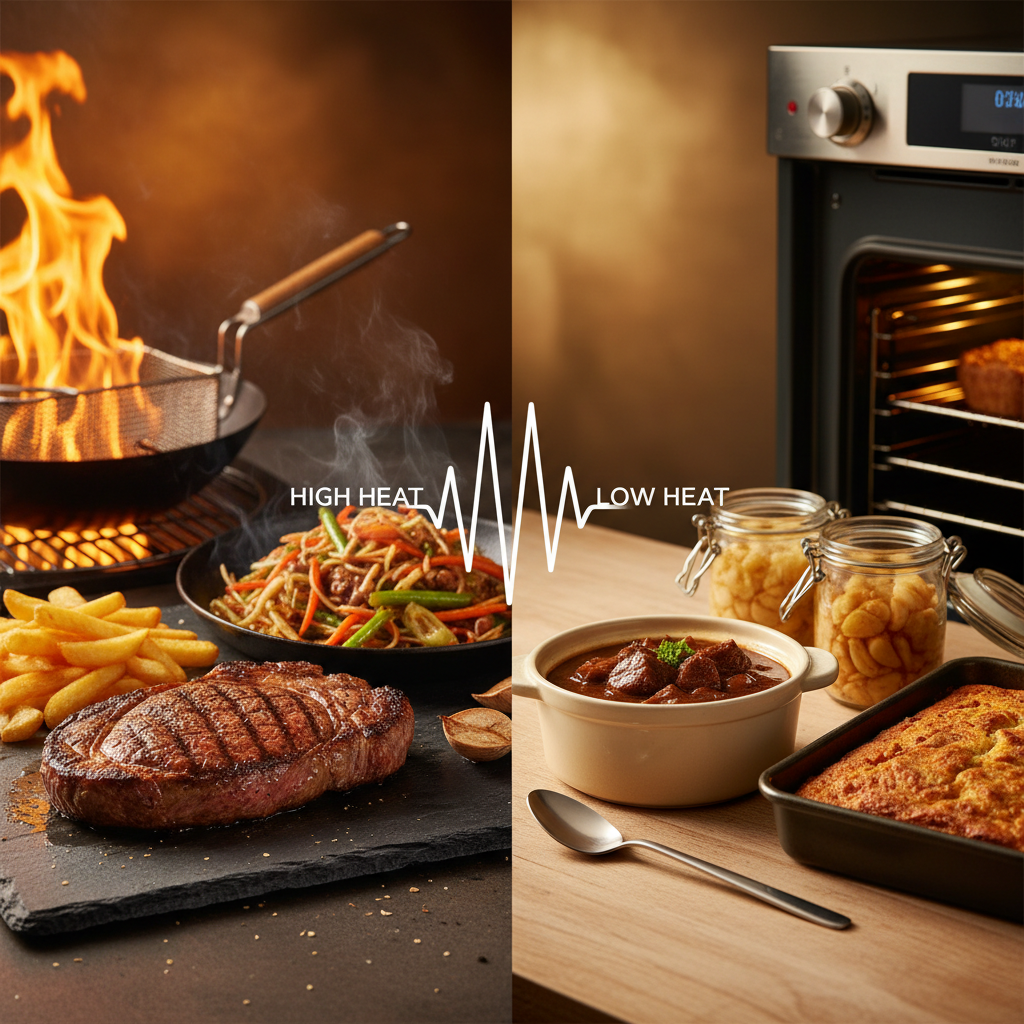
Understanding Heat: When to Use High vs Low
Cooking is both an art and a science, and fundamental to perfecting your culinary skills is understanding heat’s role in the kitchen. Whether you're searing a steak on high heat or simmering a delicate sauce on low, the temperature at which you cook your food can make or break your meal. This understanding of heat not only influences the flavor and appearance of your dishes but also affects texture, moisture, and even the nutritional value of the food you prepare. With so many variables at play, mastering when to use high or low heat can transform you from a home cook into a culinary maestro.
Heating food correctly is often an overlooked skill; many cooks default to how they saw their family members cook or what feels instinctual. However, by understanding the mechanics behind heat application, you can make informed decisions in the kitchen that enhance your cooking outcomes. This blog post will delve deeply into these concepts, providing you with practical examples, detailed techniques, and important insights into the relationship between cooking temperatures and results. Recognizing that different ingredients respond uniquely to heat will empower you to approach your recipes with confidence and creativity.
Cooking is more than just following a recipe; it's about understanding how to manipulate the elements to achieve the best results. Let’s explore the breadth of this subject, walking through the various methods of cooking and the temperatures associated with high and low heat, all while cultivating a deeper appreciation for the processes that occur in your kitchen.
The Basics of Heat in Cooking
Understanding the basics of heat transfer in cooking is crucial for mastering the craft. Heat can be transferred in several ways: conduction, convection, and radiation. Each method has its applications and implications on the cooking process, influencing how different foods cook and how flavors develop.
Conduction
Conduction is the direct transfer of heat when two objects come into contact. Think of a frying pan on the stove: the heat from the burner travels into the pan, and then into the food. This is often where searing action happens, creating those delicious brown crusts indicative of well-cooked food.
Key points on conduction:
Professional Tip: Always preheat your pan before adding oil or food. This initial high heat can create a flavorful crust on proteins, while also preventing sticking.
Convection
Convection involves the movement of heat through liquids and gases. In this method, hot air or liquid rises, while cooler air or liquid sinks, creating a cycle of heat. This is the principle behind ovens and boiling water.
Important aspects of convection include:
To take full advantage of convection cooking:
"Cooking perfectly is not solely about following a recipe. It’s understanding the interaction between temperature, time, and technique."
Radiation
Radiation is the transfer of heat in the form of waves, and is used in broilers and microwaves. When you use a microwave, the radiation excites water molecules in food, causing them to heat up and cook from the inside out.
Considerations for cooking with radiation:
High Heat Techniques
Using high heat is effective when you want to quickly cook food, achieving browning, crisping, and charred textures. Various methods utilize high temperatures to enhance flavor profiles and present appealing dishes.
Searing
Searing is perhaps one of the most recognized forms of high-heat cooking. This method is often used on meats to create a Maillard reaction, which enhances the flavor profile.
Searing Steps:
Remember that searing does not cook the food all the way through but builds flavor. Follow up with finishing techniques like braising or roasting if needed.
"A deep, rich flavor in meats often stems from just the right sear—a crucial element of high-heat cooking."
Stir Frying
Stir frying is a concise high-heat technique that originates from Asian cuisines. This method allows for a fast-cooking process, preserving color, flavor, and nutrients in vegetables while ensuring proteins remain tender.
Stir Frying Essentials:
Deep Frying
Deep frying involves submerging food in hot oil, creating a crispy exterior while retaining moisture inside. Special care should be taken to maintain consistent oil temperature to achieve the best results.
Essential Steps for Deep Frying:
By understanding the mechanics of deep frying and searing, you can utilize high heat effectively for a range of dishes.
Low Heat Techniques
While high heat is excellent for quick cooking and creating intense flavor, low heat techniques provide gentle cooking that's perfect for bringing out the natural flavors of ingredients. These methods also help to retain moisture and achieve tender textures.
Simmering
Simmering is commonly used for soups and sauces. It allows for a gradual breakdown of ingredients, resulting in a harmonious blend of flavors.
Simmering Tips:
Braising
Braising combines both high and low heat but relies heavily on a low-and-slow approach to achieve tender and flavorful dishes, especially with tougher cuts of meat.
Braising Process:
Braising not only enhances the meat but infuses the cooking liquid with rich flavors, making it ideal for sauces or gravies.
Poaching
Poaching provides a gentle cooking method that’s excellent for delicate proteins and preserving moisture.
Steps for Poaching:
Poaching is a great way to infuse flavors without harsh treatments, ideal for chicken breasts or fish fillets.
Knowing Your Ingredients
An essential part of mastering heat is understanding how different ingredient types respond to high and low temperatures. Various food groups have unique characteristics that dictate optimal cooking methods.
Proteins
Different proteins respond uniquely to heat. For example, tougher meats benefit from low heat techniques like braising, while tender cuts can be quickly seared.
Cooking Tips for Proteins:
Vegetables
Vegetables vary greatly and can be cooked at high and low temperatures depending on the desired outcome.
Grains and Legumes
Cooking grains like rice or quinoa often requires low heat and adequate water. These items absorb moisture for even cooking.
Tips for Cooking Grains:
Practical Applications: Recipes for Understanding
To immerse yourself in the relationship of heat and cooking, several recipes can illustrate these techniques beautifully.
Slow-Cooked Beef Stew
A classic example of low heat cooking, this dish exemplifies the braising technique with a rich, hearty result.
Ingredients:
Instructions:
Quick Stir-Fried Vegetables
This recipe highlights the beautiful flavors and colors of fresh vegetables using high heat.
Ingredients:
Instructions:
Oven-Roasted Chicken Thighs
Oven-roasting combines both high and low heat for delicious, crispy skin and tender meat.
Ingredients:
Instructions:
Final Thoughts
Mastering the principles of heat in cooking will significantly enhance your culinary skills. From understanding how different foods respond to various temperatures to employing the right techniques effectively, the knowledge of heat allows you to elevate your dishes. Whether using high heat for bold flavors or low heat for tender cooking, each approach has its merit and application in the kitchen.
As you become more familiar with these concepts, don’t hesitate to experiment and trust your palate. Each cooking session is a new opportunity to discover flavor and texture combinations. With practice and understanding, you can create wholesome, beautifully prepared meals that will impress yourself as much as your guests. Remember, the right heat can turn an ordinary dish into an extraordinary experience—so go forth and cook with confidence!

Get the Next Recipe
Weekly recipes, techniques, and gear picks — straight to your inbox.
