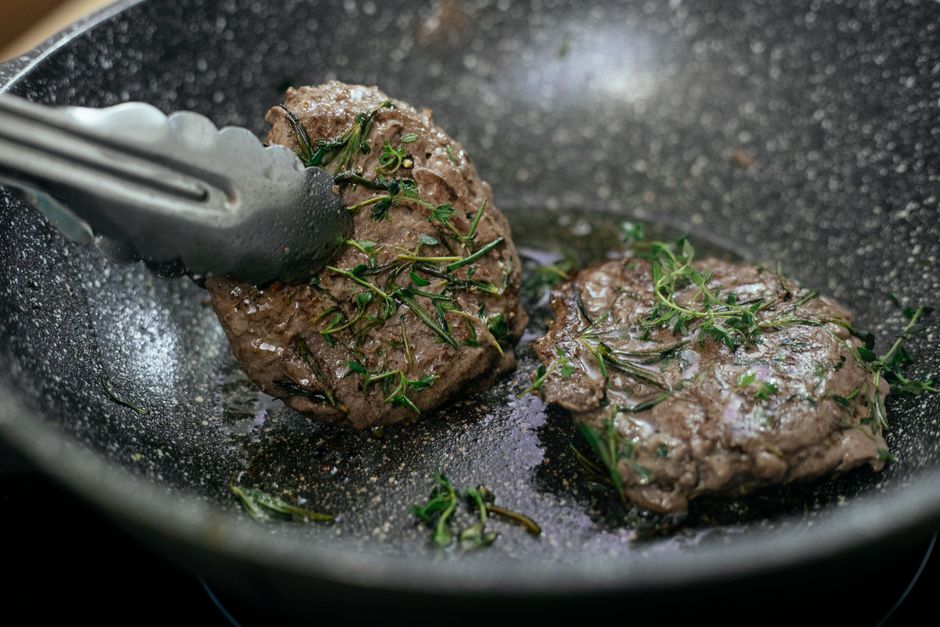
Understanding Maillard Reaction and Caramelization
The art of cooking is a delicate balance of science and creativity, where the transformation of ingredients unfolds in ways that tantalize our senses and enhance our dining experience. Two fundamental processes that lie at the heart of this culinary journey are the Maillard reaction and caramelization. Both reactions contribute significantly to the flavor, color, and aroma of our food, making them indispensable techniques for any home cook looking to deepen their understanding of cooking chemistry and elevate their culinary creations.
Understanding these processes not only helps us appreciate the complexity behind our favorite dishes but also encourages us to experiment and push boundaries in the kitchen. The Maillard reaction, for instance, enhances the savory (umami) flavors found in meats, while caramelization offers a sweet, nutty depth to vegetables and sugars. By mastering these techniques, home cooks can transform simple ingredients into mouthwatering masterpieces, turning everyday meals into extraordinary experiences.
In this post, we will explore the science behind the Maillard reaction and caramelization, elucidating the specific conditions and timing that result in their wondrous effects. We'll delve into their importance, how to effectively employ these techniques in your cooking, and practical tips to ensure success every time you step into the kitchen. So grab your apron, and let’s get ready to elevate your culinary skills through the magic of chemistry!
Understanding the Maillard Reaction
What is the Maillard Reaction?
The Maillard reaction is a complex chemical process that occurs when amino acids and reducing sugars react under heat. This non-enzymatic browning happens at temperatures around 140 to 165°C (285 to 330°F) but can start to develop significantly at higher temperatures. The reaction is responsible for the golden brown color and rich flavor profiles found in grilled, roasted, or seared foods like meats, bread crusts, and roasted coffee.
This intricate process unfolds in several stages, leading to the formation of a myriad of different compounds. The resulting flavors can be nutty, savory, or slightly sweet, providing the depth and complexity that we often crave in well-cooked dishes. It's not just about visual appeal; the Maillard reaction plays a pivotal role in enhancing flavor and aroma, making food more palatable and intriguing to our taste buds.
What’s fascinating about this reaction is its reliance on exact conditions. Factors such as pH, moisture levels, and cooking temperatures all play crucial roles in how effectively the Maillard reaction occurs. For example, a slightly alkaline environment encourages the Maillard reaction, which is why many chefs advocate for seasoning meats with salt prior to cooking, as it raises the pH level and promotes browning.
The Importance of the Maillard Reaction in Cooking
The Maillard reaction is an essential component of cooking that affects diverse culinary practices and products. Whether you’re searing steak, roasting vegetables, or baking bread, understanding and leveraging the Maillard reaction can transform the flavor dynamics of your meals.
In summary, the Maillard reaction is not just a chemical reaction; it is an integral part of culinary tradition that elevates our cooking. The beauty of mastering this process lies in the ability to improve the taste and presentation of your dishes, turning the ordinary into the extraordinary.
The Science of Caramelization
What is Caramelization?
Caramelization is the process of browning sugar through the application of heat, leading to the development of complex flavors and aromas. This reaction typically occurs at temperatures of around 160°C (320°F) or higher, when sugar molecules break down and reform into new compounds. Unlike the Maillard reaction, which involves proteins and sugars, caramelization is a straightforward transformation of sugars, leading to the creation of a range of aromatic compounds and a deep, rich flavor.
During caramelization, sugars undergo a series of chemical changes. Initially, they melt and start to brown, then they break down into smaller sugar units, and finally, they polymerize into larger molecules, developing new flavors and colors. The process can have different characteristics based on the type of sugar used; for instance, granulated white sugar creates a clean caramel flavor, while brown sugar, which contains molasses, introduces a richer, deeper flavor profile.
As sugar caramelizes, it transitions through various stages, each with distinct flavors and colors. From light golden to deep brown, the degree of caramelization significantly influences the final taste of the dish, impacting everything from desserts to savory sauces.
The Role of Caramelization in Culinary Techniques
Caramelization plays a vital role in many culinary techniques, boosting both flavor and texture. Here are a few key applications:
Techniques for Successful Caramelization
To achieve successful caramelization, certain techniques and conditions must be met. Here are some tips to guide you through the process:
Advanced Caramelization Techniques
To elevate your caramelization skills, consider exploring these advanced techniques:
With these techniques at your disposal, you’ll be able to enhance your culinary creations with the rich flavors that caramelization can offer.
The Relationship Between Maillard Reaction and Caramelization
Similarities and Differences
While the Maillard reaction and caramelization are both forms of browning that contribute to flavor and aroma, they stem from different processes. The Maillard reaction involves the interaction between amino acids and reducing sugars, while caramelization specifically deals with the breakdown of sugar alone.
Here are some distinctions:
When to Use Each Technique
Understanding when to apply the Maillard reaction versus caramelization can greatly enhance your culinary endeavors. Here’s a helpful guide:
- You are cooking proteins like meats, where you want a savory flavor and nice crust.
- Roasting vegetables where the sugars and amino acids can enhance depth and richness.
- Baking bread or other doughs that benefit from a deep golden crust and complex flavor.
- Making desserts, sauces, glazes, or syrups, where sugar flavor profiles are desired.
- Enhancing the sweetness and complexity of vegetables through the slow roast.
- Creating vibrant sauces by deglazing browned bits left in a pan after cooking.
Combining Both Techniques for Maximum Flavor
For sophisticated dishes, consider combining both techniques to achieve incredible results:
By leveraging both reactions effectively, you can create layered and complex flavors that impress and delight the palate.
Practical Applications in Everyday Cooking
Enhancing Protein Dishes
To illustrate the practical applications of both the Maillard reaction and caramelization, let's delve into cooking proteins, the cornerstone of many meals. The proper searing of a steak or roasting of chicken can be found in countless recipes, but understanding the underlying chemistry can lead to elevated cooking results.
- Preheat your skillet on medium-high heat for about 5-10 minutes.
- Season your meat liberally with salt and allow it to sit at room temperature for 30 minutes. This not only seasons the meat but also increases the pH, encouraging browning.
- Place the meat in the hot skillet, ensuring it’s not overcrowded—overcrowding leads to steaming rather than searing.
- For a juicy and flavorful roast chicken, brine the chicken for a couple of hours prior, ensuring a balance between moisture retention and seasoning.
- Preheat your oven to 220°C (425°F) and roast the chicken for 25 minutes per pound until it reaches an internal temperature of 75°C (165°F). The high temp promotes the Maillard reaction and results in crispy skin.
Mastering Vegetables
Vegetables can be easily elevated through the application of both techniques, bringing forward sweet, umami flavors and beautiful textures.
- Cut onions into thin slices and heat a pan over medium-low heat with a tablespoon of oil or butter.
- Cook with a pinch of salt for about 30 minutes, stirring occasionally, until they turn golden brown and sweeten up. This slow cooking allows for caramelization, greatly enhancing the flavor profile.
- For roasted carrots or sweet potatoes, toss your cut vegetables in olive oil, salt, and herbs, then roast at 220°C (425°F) for about 25-30 minutes. This will induce both caramelization (on the sugars within the vegetables) and the beginning of the Maillard reaction where they touch the hot pan.
Luxurious Sauces
Mastering the nuances of sauce-making can separate a home cook from a restaurant-quality chef.
- After cooking proteins, use the browned bits left in the pan. Simply deglaze with a splash of wine or stock, scraping up the fond (the caramelized bits) to add exceptional flavor.
- Introduce aromatics such as shallots, garlic, or herbs and let reduce. Finish with a pat of butter for graceful richness.
- Begin with caramelizing sugar for a sauce. Heat sugar in a heavy saucepan until it dissolves into a golden liquid—be mindful of not letting it burn.
- Once golden, add a touch of cream, butter, or broth to create a luscious sauce. This can be drizzled over desserts or used for glazing meats.
Understanding both the Maillard reaction and caramelization opens up a plethora of possibilities in your kitchen. Mastering these techniques not only improves culinary outcomes but also deepens your appreciation for the art of cooking.
Conclusion
The journey of cooking is not merely about combining ingredients; it is an exploration of principles that can transform the ordinary into the extraordinary. The Maillard reaction and caramelization are more than just culinary buzzwords; they represent fundamental processes that can turn basic recipes into gourmet experiences.
By understanding the science behind these techniques, home cooks can take control of their culinary endeavors and elevate their skill sets. With careful attention to temperature, timing, and ingredient interactions, you can coax out the rich flavors and textures that both reactions can offer, enhancing your favorite dishes in ways you may have never imagined.
Remember, practice and experimentation are essential. The key to mastering these reactions lies in observing the processes, making adjustments as needed, and indulging in the satisfaction of developing your culinary expertise. So, the next time you sear a steak, roast vegetables, or create a luscious caramel sauce, think of the science behind the magic and let it guide you in your quest for culinary excellence. Embrace the art, understand the science, and enjoy the delicious results that arise from the perfect blend of these powerful cooking techniques.


Get the Next Recipe
Weekly recipes, techniques, and gear picks — straight to your inbox.
