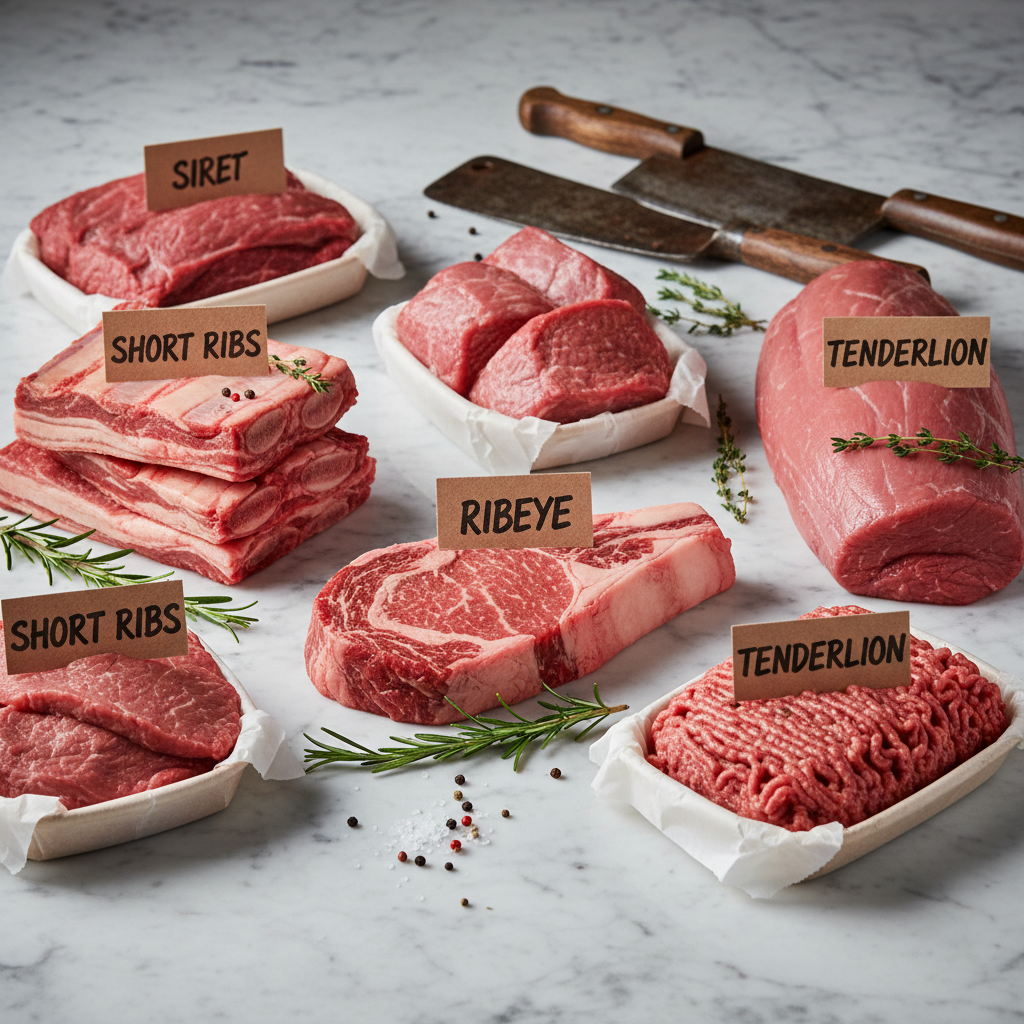
When it comes to the culinary world, understanding the different cuts of meat and the methods used to prepare them can significantly elevate your cooking. For many home cooks, navigating the butcher shop can be daunting. Every cut has its unique characteristics, flavor profiles, and textures, and knowing how to work with each one can lead to delicious results that impress family and friends. It’s essential to not only recognize these cuts but also learn the best techniques to handle and cook them.
This blog post aims to equip you with the knowledge to confidently choose the right meat cuts for your dishes, whether it's a summer barbecue or a cozy winter stew. Each cut holds its own culinary story, influenced by factors such as the animal's age, diet, and muscle usage. By understanding these nuances, you can enhance your cooking repertoire and guarantee satisfying meals that highlight the beauty of well-prepared meat.
In addition to exploring specific cuts and their attributes, we'll delve into various cooking methods. Whether you're searing, grilling, braising, or roasting, each technique brings out distinct flavors and textures. You'll learn which methods suit different cuts and how to master the art of cooking meat to perfection. So, let’s dive deeper into this meaty topic and elevate your culinary adventures.
Understanding Meat Cuts
To truly appreciate the nuances of cooking meat, it's essential to begin with an understanding of meat cuts. Meat cuts are categorized based on the part of the animal they come from, each offering varying levels of tenderness and flavor. Knowing these cuts can guide you in selecting the best options for your recipes and ensuring you're using the most appropriate cooking methods.
Major Cuts of Beef
Beef is one of the most versatile meats used in culinary practices around the world. It can be categorized into primal cuts, which are further sub-divided into smaller cuts. Here are some major beef cuts you should know:
●Chuck: This area is from the shoulder and neck of the cow. It is generally tougher due to the muscle use but is packed with flavor. Ideal for slow-cooking methods like braising or stewing, chuck roast can transform into a tender, melt-in-your-mouth dish with the right cooking technique.
●Rib: Located between the chuck and the loin, the rib section is known for its rich, beefy flavor. Cuts like ribeye steaks and prime rib are particularly well-suited for grilling or roasting due to their excellent marbling, which melts into the meat during cooking, creating a juicy result.
●Loin: This is where some of the most tender cuts are found, including tenderloin and t-bone steaks. These cuts are known for their tenderness and are best cooked using high-heat methods like grilling or pan-searing to minimize cooking time.
●Round: The round cut, sourced from the rear leg of the animal, is less marbled and more muscular, resulting in a leaner, tougher texture. It’s best suited for moist cooking methods such as braising. When cooking round cuts, like eye round, be sure to slice against the grain for maximum tenderness.
●Brisket: This cut comes from the lower chest and is known for its rich flavor. It's particularly favored in barbecue and slow-cooked dishes. The key to perfect brisket is a low-and-slow cooking approach, often requiring several hours to achieve that tender perfection.
"Understanding the cut of meat is essential to cooking it well; each piece has its own story and requires its own approach."
Major Cuts of Pork
Pork is another incredibly versatile meat with a wide range of cuts to choose from. Each cut has its own culinary applications depending on their fat content, tenderness, and flavor. Here are some key pork cuts to familiarize yourself with:
●Loin: The loin is a favored section for its tenderness. Cuts like pork chops or pork tenderloin can be delicious when grilled, roasted, or sautéed. The tenderloin, in particular, is lean and, therefore, benefits from marinating to enhance moisture and flavor.
●Shoulder (Boston Butt and Picnic): These cuts are relatively tougher and are ideal for slow-cooking methods. Boston butt is often used for pulled pork. When cooked at a low temperature for several hours, the connective tissues break down, resulting in juicy, flavorful meat.
●Belly: Known for its rich flavor and high-fat content, pork belly is the cut from which bacon is made. This cut is often braised or roasted to achieve crispy skin while keeping the meat succulent.
●Leg (Ham): The leg cut is another well-known portion, particularly famous for its use in holiday hams. The meat is flavorful and can be cooked using various methods, including roasting or smoking.
●Ribs: Pork ribs, either spare ribs or baby back ribs, are commonly barbecued or slow-cooked. The rich fat content in ribs makes them ideal for cooking with various flavors from marinades and rubs.
"Cooking meat isn't just about following a recipe; it's about understanding the ingredients you work with."
Cooking Methods for Meat
Once you've familiarized yourself with the various cuts of meat, the next step is to understand the cooking methods that best highlight the qualities of each cut. The right technique can transform an ordinary piece of meat into something spectacular.
Grilling
Grilling is a favorite cooking method that brings out the smoky flavors in meat. The high, direct heat creates a beautiful sear on the meat, locking in juices and enhancing the flavor. Different cuts are ideal for grilling:
1.Steaks: Cuts like ribeye, sirloin, and tenderloin are perfect for grilling due to their tenderness and marbling.
2.Chicken: Whole chickens and chicken parts, such as thighs and breasts, can take on a wonderfully smoky flavor when grilled.
3.Pork Chops and Ribs: The natural sugars in pork complement the smoky char from grilling.
Key Tips:
●Preheat your grill to high heat before adding the meat to get that perfect sear.
●For steaks, allow them to come to room temperature before grilling to ensure even cooking.
●Use a meat thermometer to check for doneness; example temperatures are 145°F for pork and 130°F for medium-rare beef.
Braising
Braising is a combination cooking method that includes both dry and moist heat. This technique is exceptional for tougher cuts of meat that require longer cooking times to become tender.
1.Choose your Cut: Cuts like chuck roast, pork shoulder, and brisket are prime candidates for braising.
2.Sear: Begin by searing the meat in a hot, heavy pot to develop flavor through the Maillard reaction.
3.Add Liquid: After searing, remove the meat and add aromatic vegetables and liquids like broth or wine. Then return the meat to the pot.
4.Slow Cook: Cover the pot and let it simmer on low heat for several hours until the meat is fork-tender. An oven or stovetop can be used for this process.
Braising Tip:
●Cooking low and slow at temperatures around 300°F ensures the meat becomes tender while absorbing all the flavors from the cooking liquid.
Roasting
Roasting is a dry heat method, often used for larger cuts of meat or whole animals. This method can create a delightful crust while keeping the inside moist and flavorful.
Steps to Roast:
1.Preheat: Set your oven to around 375°F to 450°F, depending on the cut and desired crust.
2.Season: Generously season the meat with salt, pepper, and any herbs or spices.
3.Sear (Optional): You may want to sear the meat in a hot pan before transferring it to the oven for deeper flavors.
4.Cook: Roast until the meat reaches the desired internal temperature. For example, beef should be around 135°F for medium-rare.
Roasting Tip:
●Use a meat thermometer to avoid overcooking, and let the meat rest before slicing to retain juices.
Sautéing and Pan-Searing
These quick-cooking methods are perfect for tender cuts of meat, allowing you to create delicious meals in a short amount of time.
●Sautéing: Involves cooking in a small amount of fat over medium-high heat. It is great for cuts like chicken breast, thin pork chops, and small strips of beef.
●Pan-Searing: A slightly longer process where you start with high heat to develop a crust, then lower the heat to finish cooking. Excellent for thicker cuts.
Steps for Sautéing:
1.Heat the oil in a pan over medium-high heat.
2.Season the meat accordingly.
3.Add the meat in a single layer; avoid crowding the pan.
4.Cook until browned on both sides.
Searing Tip:
●Pat the meat dry before searing to enhance crust formation.
Sous Vide
Sous vide, a French term meaning "under vacuum," involves cooking meat in a temperature-controlled water bath. This method is excellent for achieving precise doneness.
1.Vacuum Seal: Seal the meat in a bag, removing any air.
2.Temperature Control: Set your sous vide machine to your desired temperature. For steak, consider around 130°F for medium-rare.
3.Cook: Submerge the bag in the water bath for several hours, depending on the cut and thickness.
4.Finish: After cooking, sear the meat in a hot skillet for a perfect crust.
Sous Vide Tip:
●Use this method for cuts like ribeye or pork tenderloin to enhance tenderness and flavor consistently.
Flavoring and Marinating Meat
Before cooking meat, the flavors you impart through seasoning and marinades can transform the dish. Understanding the elements that make a good marinade can significantly enhance your meat’s flavor profile.
Key Ingredients in Marinades
A good marinade typically consists of:
●Acid: Ingredients like vinegar, citrus juice, or yogurt help to tenderize the meat while adding flavor.
●Oil: This helps to keep the meat from drying out during cooking and provides a medium for flavor infusion.
●Seasonings: Herbs, spices, garlic, and onion contribute to the depth of flavor.
How to Marinate
Here’s a simple process for marinating meat:
1.Choose your Meat: Depending on the cut and thickness, choose an appropriate marinade.
2.Combine Ingredients: Mix your marinade in a bowl.
3.Marinate:
- For tough cuts like flank steak, aim for 6-12 hours.
- For tender cuts such as chicken breasts, 30 minutes to 2 hours is typically adequate.
- There’s a fine line; over-marinating can lead to a mushy texture.
4.Pat Dry: Ensure the meat is dry before cooking for optimal searing or grilling.
Marinating Tip:
●Experiment with different flavors and acids to discover new taste combinations.
Trimming and Preparing Meat
The way meat is prepared greatly affects the cooking process and final presentation. Properly trimming fat, sinew, and silverskin can enhance both flavor and texture.
Techniques for Trimming
●Fat Removal: Use a sharp knife to trim excess fat, especially on cuts like pork shoulder or beef brisket, where excessive fat can make the final dish greasy.
●Sinew and Silverskin: These connective tissues do not break down during cooking and can make the meat tough. Carefully remove these using a sharp knife.
●Even Portioning: For cooking evenness, ensure pieces are of uniform size, which helps in cooking them thoroughly and evenly.
Trimming Tip:
●Consider marbling as well; some fat can help impart flavor, particularly in cuts like ribeye.
Meat Doneness and Safety
Understanding doneness is crucial for ensuring meat is safe to eat and maintains optimal flavor and texture. Each type of meat has its own recommended internal temperatures for doneness.
Recommended Internal Temperatures
●Beef:
- Rare: 125°F
- Medium-Rare: 135°F
- Medium: 145°F
- Well-Done: 160°F
●Pork:
- Minimum safe temperature: 145°F (allow 3 minutes rest time).
●Chicken and Turkey:
- 165°F is the safe temperature to prevent foodborne illnesses.
"Using a thermometer ensures your meat is cooked properly every time, minimizing the risk of foodborne illness."
Resting Meat
Allowing meat to rest after cooking is essential. This step redistributes the juices, making the meat more tender and flavorful. The general rule of thumb is to allow:
●Large roasts: 15 to 20 minutes
●Steaks: 5 to 10 minutes
Resting Tip:
●Cover the meat loosely with foil while it rests to keep it warm.
Conclusion
Mastering meat cuts and cooking methods is fundamental to elevating your skills in the kitchen. By understanding the various cuts of meat and their ideal cooking techniques, you can create delicious, impressive meals that cater to different tastes and occasions. Remember to pay attention to the temperatures needed, the best marinades to enhance flavor, and the importance of resting meat.
Whether you're grilling a perfect steak or braising a tough cut, connecting with these elemental skills will allow you to create dishes that resonate with your culinary aspirations. So grab your knife, don your apron, and explore the rich and rewarding world of cooking meat. Each bite tells a story; it’s up to you to make it a delicious one.