Understanding Olive Oil: From Press to Plate
The journey of olive oil from a sun-drenched grove to your pantry is one of the most misunderstood narratives in the culinary world. Many home cooks view olive oil simply as a fat for sautéing or a base for a vinaigrette, often overlooking the nuanced complexity that high-quality, artisanal oils bring to the table. Understanding the chemistry and the craftsmanship behind the pressing process is the first step toward transforming your cooking from mundane to masterful. When you grasp the distinction between various grades, extraction methods, and cultivar profiles, you stop seeing oil as a generic utility and start seeing it as a finishing ingredient that can define the entire profile of a dish. We are here to peel back the layers of tradition, science, and sensory evaluation that dictate whether an olive oil belongs in a high-heat pan or drizzled sparingly over a perfectly seared piece of fish.
At Blame The Chef, we believe that education is the most powerful tool in any kitchen, regardless of your skill level or budget. The world of olive oil is rife with marketing buzzwords, confusing labeling, and outright industry deception that leaves consumers feeling overwhelmed at the grocery store shelf. By the time you finish this guide, you will be able to navigate those aisles with confidence, spotting quality indicators and avoiding products that have been sitting in warehouses for too long. We will explore the specific chemical markers that indicate freshness and discuss why the storage of your oil is just as vital as the quality of the olives themselves. Preparing great food requires an intimate relationship with your ingredients, and olive oil is arguably the most versatile and essential player in your culinary repertoire.
This comprehensive guide is designed to shift your perspective on what fat brings to your plate, focusing on both the technical aspects of production and the practical applications in your home kitchen. We will dive into the nuances of Extra Virgin Olive Oil (EVOO), the importance of harvest dates, the role of polyphenols, and the fascinating ways that terroir influences the final flavor profile. Whether you are aiming to perfect a classic emulsion, temper the bitterness of raw vegetables, or understand the smoke point limitations of your favorite bottle, this deep dive provides the technical roadmap. Get ready to elevate your culinary game, because once you begin to respect the integrity of your olive oil, the way you taste and compose your meals will never be the same again.
The Anatomy of an Olive: Harvesting and Extraction
The quality of your olive oil is determined long before the bottle ever reaches the shelf, starting fundamentally with the health and maturity of the fruit. Harvesting is a labor-intensive process that can occur anywhere from early autumn to late winter, and the timing is critical to the final sensory profile. Early harvest oils, often called "green" oils, are harvested when the fruit is still firm and vibrant, resulting in high levels of polyphenols—the antioxidants that provide that characteristic peppery, pungent kick at the back of your throat. These oils are prized for their robustness and are best used as finishing oils to cut through the richness of heavy meats or creamy pastas.
As the season progresses and the olives darken to a deep purple or black, the oil content within the fruit increases, but the intensity of the flavor often shifts toward a milder, buttery, and more delicate profile. Producers must balance these harvest windows carefully to meet their desired output and flavor goals. Once picked, the olives must be transported to the mill and pressed within hours to prevent oxidation and fermentation, which can rapidly deteriorate the quality. This is the "field-to-mill" window, and in the world of high-end, award-winning oils, every minute counts as the olives begin to lose their freshness the second they are detached from the branch.
The Mechanical Extraction Process
Modern extraction is an exercise in precision engineering designed to protect the delicate aromatic compounds of the oil. The primary technique used today is cold pressing (or more accurately, cold extraction), which ensures that the temperature of the olive paste never exceeds 27 degrees Celsius (80 degrees Fahrenheit). Keeping temperatures low is vital because heat accelerates the degradation of flavor, color, and nutritional value. The process follows a strict sequence:
"True quality in an olive oil is not found in the marketing label on the front of the bottle, but in the chemical analysis and the harvest date printed on the back. If it doesn't have a date, assume it has already passed its prime."
Deciphering the Labels: Navigating the Grocery Aisle
When you walk into a grocery store, you are often met with a wall of gold-tinted bottles, many of which use misleading terms like "Pure," "Light," or "Refined." It is important to remember that these terms describe oil that has been chemically processed to strip away color, scent, and flavor. Extra Virgin Olive Oil is the only grade that is truly cold-pressed and mechanically extracted without the use of chemical solvents or high heat. To earn the label of "Extra Virgin," the oil must meet strict chemical criteria, including having an acidity level of less than 0.8% and passing a sensory panel test for defects like fustiness or rancidity.
Beyond the "Extra Virgin" label, look for specific identifiers that suggest the producer has nothing to hide. A single provenance—such as a specific region in Tuscany, Crete, or California—is always preferable to a generic label that says "Product of the Mediterranean," which often implies a blend of low-quality oils from multiple countries. Furthermore, look for the harvest date rather than the "Best By" date. Since olive oil is a perishable agricultural product, you should aim to consume your oil within 18 to 24 months of the harvest date, and ideally within 6 months once the bottle has been opened.
Understanding Polyphenols and Flavor Profiles
The bitterness and pungency you experience when tasting raw olive oil are not defects; they are evidence of high-quality polyphenols. These compounds are the natural defense mechanism of the olive tree and are incredibly beneficial for human health. When you are buying oil, look for bottles that specify the cultivar, such as Koroneiki for high-intensity, peppery notes, or Arbequina for a softer, more almond-like flavor. Matching the intensity of the oil to the dish is a hallmark of a seasoned cook. A robust, grassy oil might overwhelm a delicate piece of poached white fish, whereas a mild oil might disappear entirely if drizzled over a robust, char-grilled steak.
The Chemistry of Heat: Smoke Points and Sautéing
One of the most persistent myths in the culinary world is that you should never cook with olive oil because of its "low smoke point." In reality, high-quality extra virgin olive oil has a smoke point ranging from 375 to 410 degrees Fahrenheit (190–210 degrees Celsius), which is more than sufficient for almost all home cooking tasks, including sautéing, pan-searing, and even roasting vegetables. The concern is not necessarily the smoke point, but the cost and the volatile aromatic compounds. If you spend forty dollars on a small bottle of artisanal cold-pressed oil, it is a waste to subject it to high heat, as the delicate top notes that make the oil special will evaporate instantly.
For high-heat applications like deep frying or hard-searing steaks, you are better off using a standard "virgin" olive oil or a high-quality refined olive oil. However, for everyday sautéing—such as sweating onions for a base, cooking garlic for a pasta sauce, or pan-roasting chicken thighs—extra virgin olive oil is perfectly safe and adds a depth of flavor that seed oils like canola or vegetable oil simply cannot provide. The key is to manage your heat. If you see your oil beginning to smoke in the pan, you have already gone too far and likely burnt the delicate compounds that give the oil its character.
Temperature Management and Technique
When working with olive oil in a pan, start with a cool or moderately heated skillet. Adding your aromatics or proteins into the oil as the heat rises ensures a more even cook and prevents the oil from reaching its flash point too quickly. If you are sautéing vegetables, a ratio of one tablespoon of oil per cup of vegetables is generally sufficient to coat the pan and facilitate heat transfer. Professional Chef Tip: If you want to impart a deep garlic or herb flavor into your oil without burning the solids, place the herbs or garlic into the oil while it is cold and heat them together slowly. This infuses the oil gently rather than flash-frying the exterior of the aromatics.
"A great dish is balanced by the finish. Never underestimate the power of a final, circular pour of high-quality oil over a soup or salad; it acts as a flavor bridge that connects all the ingredients together."
Storage: The Silent Killer of Olive Oil
Olive oil has three mortal enemies: light, heat, and oxygen. If you keep your bottle of oil right next to the stovetop, you are inadvertently hastening its decline. The constant fluctuations in temperature and the proximity to high heat will break down the chemical structure of the oil, causing it to go rancid much faster. Rancidity in olive oil is characterized by a waxy, crayon-like odor or an unpleasant, gluey taste that ruins any dish you touch with it. To maximize the longevity of your oil, always store your bottles in a dark, cool cupboard away from the oven.
Furthermore, ensure that the cap is always tightly sealed after use. Oxygen is a catalyst for oxidation, and once a bottle is opened, the clock starts ticking. If you buy larger containers of oil, it is often wise to decant some into a smaller, dark-glass cruet for daily use while keeping the bulk container sealed in a cool, dark place. Never store olive oil in the refrigerator unless you live in an extremely hot climate; while refrigeration won't necessarily damage the oil, it will cause it to solidify and condense, making it difficult to use, and the condensation that forms inside the bottle when it returns to room temperature can actually introduce moisture that encourages mold or spoilage.
Assessing Freshness at Home
You can conduct a simple sensory test at home to determine if your oil has passed its peak. Pour a small amount into a glass, swirl it to coat the sides, and smell it. A fresh, high-quality oil should smell like fresh-cut grass, green tomatoes, artichokes, or herbs. If it smells like overripe fruit, nuts, or—worst of all—stale cardboard or old wax, the oil has oxidized. When you taste it, it should feel silky but have a clean finish. If it leaves an oily, heavy residue on the palate, it may have been blended with cheaper, less-stable vegetable oils.
The Art of the Finish: Emulsions and Drizzles
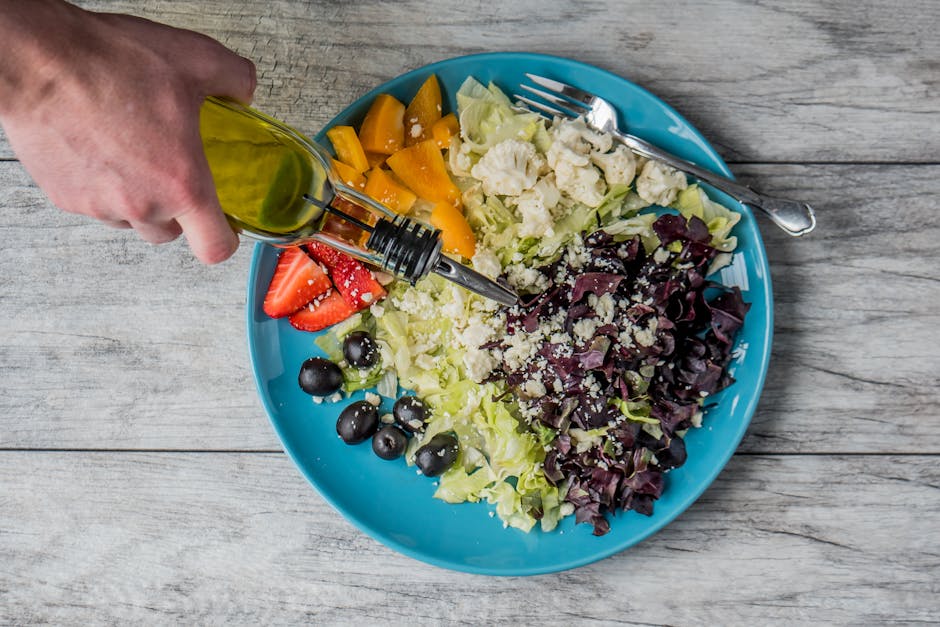
The most magical application for premium olive oil is the finishing drizzle. Because oil acts as a flavor carrier, it has the ability to amplify the natural taste of food. Think of it as a seasoning, similar to finishing salt. A simple drizzle over a finished bowl of lentil soup or roasted root vegetables provides a velvety mouthfeel and a layer of brightness that brings the dish to life. When finishing a dish, the temperature of the food should be warm but not scorching; if you drizzle your best oil onto something boiling hot, the aroma will disperse too quickly, and you will miss the complexity of the nose.
For cold preparations, olive oil is the backbone of the perfect emulsion. Whether you are making a classic vinaigrette, a mayonnaise, or a hollandaise variation, the quality of the oil will determine the final texture and stability of the sauce. When making a simple vinaigrette, the golden ratio is typically three parts oil to one part acid. Using a whisk or an immersion blender, slowly stream the oil into your acid (like balsamic or lemon juice) while incorporating an emulsifier like Dijon mustard. This creates a stable, creamy dressing that clings to lettuce leaves rather than sliding off to the bottom of the bowl.
Creating the Perfect Vinaigrette
To elevate your salad game, follow these steps to build a base that highlights your oil:
Olive Oil in Baking: A Surprising Powerhouse
Most home cooks stick to butter or neutral oils for baking, but olive oil can lend an incredible complexity to cakes, cookies, and breads. Using an oil with a grassy or fruity profile can perfectly complement citrus-based desserts or dark chocolate confections. Because olive oil is a liquid fat, it creates a moister crumb than butter and helps the finished product stay fresh for longer. When substituting olive oil for butter in recipes, remember that oil doesn't have the same structural integrity as solid fat; therefore, it is best used in recipes where the creamed-butter texture is not strictly required.
The rule of thumb for substituting is to use approximately three-quarters of the amount of olive oil for the required amount of butter (e.g., if a recipe calls for 1 cup of butter, use 3/4 cup of olive oil). You will also want to slightly increase the amount of salt in your recipe to balance the subtle fruitiness of the oil. Olive oil-based olive cakes, often featuring lemon zest or rosemary, are a staple in Mediterranean kitchens for a reason—they are elegant, easy to execute, and offer a sophisticated departure from the typical heavy, buttery sponges we are used to in the West.
Choosing the Right Oil for Your Bake
For Citrus Cakes:* Select an oil with bright, lemony notes to heighten the flavor of zest.
For Chocolate Bakes:* Use a robust, peppery oil that can stand up to the intensity of dark cocoa.
For Savory Breads:* Use an unfiltered or rustic, bold oil that provides a earthy depth to the crumb.
Understanding Terroir and Cultivar Profiles
Just like wine, olive oil is deeply influenced by terroir—the unique environment where the olives are grown. Soil composition, altitude, proximity to the sea, and local climate patterns all imprint their signature on the final flavor. An olive grown in the rocky, arid soil of southern Italy will taste profoundly different from one grown in the deep, alluvial soils of a California valley. Exploring these regional differences is one of the most rewarding parts of becoming an olive oil aficionado. It turns the act of buying oil into an act of exploration, where you can travel the world through the sensory experience of a single bottle.
The cultivar—or variety of olive tree—is the primary driver of these differences. There are thousands of cultivars, each with its own genetic predispositions. Picual olives, for example, are known for their high stability and intense, slightly spicy profile, making them perfect for cooking. Kalamata olives, while often sold as table olives, can be pressed into oil that is incredibly rich and savory. Learning to recognize these varieties will give you a vocabulary to describe your preferences and help you articulate exactly what you are looking for when you visit specialty olive oil shops or farmers' markets.
Developing Your Palate: The Olive Oil Tasting Technique
To truly understand the oil you are buying, perform a professional-style tasting:
"Cooking is an act of translation. You are taking raw ingredients and translating them into an experience. When you choose an olive oil with intention, you are ensuring that the translation is as eloquent and delicious as possible."
Conclusion
Mastering the nuances of olive oil is not about becoming a snob; it is about becoming a more thoughtful cook. By understanding the lifecycle of the fruit, the critical importance of proper storage, and the diverse applications of different oil intensities, you gain a deeper level of control over your final dish. You stop relying on generic fats and start utilizing an ingredient that can act as a flavor highlighter, a texture enhancer, and a preservative. The goal is to make every meal feel intentional, from the base of your sautés to the finishing drizzle on your salads.
Remember, the best olive oil is the one that you actually use. Don't fall into the trap of saving your "good" bottle for a special occasion that never comes. Ingredients like high-quality olive oil are meant to be enjoyed, and their freshness is their greatest virtue. Use it daily, experiment with different cultivars to see how they pair with your favorite ingredients, and never be afraid to trust your own palate. If it smells like sunshine and fresh grass, you are likely on the right track. Continue to explore, continue to taste, and continue to let the quality of your ingredients guide your hand.
At the end of the day, cooking is meant to be a joyful, sensory process. The history, chemistry, and craftsmanship behind olive oil are fascinating, but the most important part is how it makes your food taste and how it brings people together around your table. We hope this guide has given you the confidence to elevate your kitchen pantry and the knowledge to appreciate the subtle, golden liquid that has been a pillar of culinary civilization for millennia. Go forth and cook with boldness, precision, and plenty of heart. Blame the chef if the dinner is too good, but never blame yourself for investing in quality ingredients that turn every day of cooking into a celebration of flavor.
As you move forward, keep a small journal of the oils you try. Note the harvest date, the origin, the cultivar, and which dishes they paired best with. This simple habit will accelerate your learning curve more than any textbook ever could. You are the architect of your own culinary world, and with the right foundation—starting with the right oil—there is no limit to what you can create. Your kitchen is your laboratory, and your ingredients are your tools; treat them with respect, and they will reward you with flavor that stands the test of time. Happy cooking, and may your bottles always be fresh, your pans perfectly heated, and your plates consistently exceptional.
Finally, remember that the culinary landscape is constantly evolving. Producers are innovating, new regions are coming to the forefront of the olive oil world, and our understanding of flavor profiles continues to deepen. Keep an open mind and keep tasting. There is always a new bottle to discover, a new pairing to try, and a new layer of complexity to uncover. The journey from press to plate is a long one, but it is one worth taking for the sake of the perfect bite. Stay curious, stay hungry, and keep the olive oil flowing. Your journey is only just beginning.
Get the Next Recipe
Weekly recipes, techniques, and gear picks — straight to your inbox.