Understanding Salt: Types and Uses in Cooking
Salt is often viewed merely as a seasoning, but its role in cooking is far more intricate and essential than many home cooks realize. As one of the first seasonings known to humankind, salt has not only shaped our culinary practices but has also played an integral role in food preservation and safety. Understanding the different types of salt, their unique properties, and their appropriate uses can elevate your dishes from bland to exquisite. By mastering the art of salting, you harness a powerful tool that enhances flavors and transforms your cooking.
The taste of salt is universal, yet the world of salt is rich and varied. From the coarse crystals of kosher salt to the fine grains of table salt, each variety has distinct characteristics that affect not just flavor but also texture and taste perception. Chefs understand that the salt they choose can change the outcome of a dish significantly—whether it’s enhancing the natural flavors of a fresh ingredient or balancing the richness of decadent recipes.
In this comprehensive guide, we will explore the myriad types of salt available, delve into their applications in cooking, and provide tips on how to incorporate them effectively into your dishes. Whether you're a novice in the kitchen or an experienced home cook, gaining insight into the different salts and their uses will undoubtedly enable you to elevate your culinary creations. So let’s dive deep into the world of salt, understanding its nuances, and ensuring you wield it skillfully in your everyday cooking.
The Science of Salt
Salt, chemically known as sodium chloride (NaCl), is essential not only for its flavor-enhancing properties but also for its impact on the chemistry of cooking. Salt acts as a flavor enhancer by stimulating taste buds and amplifying the perception of other flavors. When used wisely, it can enhance sweetness, deepen bitterness, and round out acidity—helping to create a harmonious balance in your dishes.
The Role of Sodium in Flavor
Sodium, one of the components of salt, plays a crucial role in our taste perception. It can heighten flavors that might otherwise be muted. This pronounced ability to enhance flavors is why professionals often say, “taste as you go.” Adding salt in stages is essential to achieving the desired taste without overpowering the natural flavors of the ingredients.
“Salt is not merely a seasoning; it is an essential tool for balancing and enhancing the flavors in your cooking.”
Salt and Cooking Techniques
Different cooking techniques also affect how salt interacts with food. Here are a few important points:
Understanding these techniques can help you use salt more strategically in your cooking.
Types of Salt
With various types of salt flooding the market, it can be overwhelming to choose the right one for your culinary needs. Let’s break them down into the most common types, their unique characteristics, and best uses.
Table Salt
Table salt is the most commonly used variety in households. It’s finely ground, making it easy to dissolve and incorporate into recipes. Due to its processing, it often contains anti-caking agents to keep it free-flowing.
Kosher Salt
Kosher salt is favored by many chefs due to its larger crystals, which makes it easier to pinch and control when seasoning food. Originally used in the koshering process of meats to draw out blood, it has a clean taste without the additives found in table salt.
Sea Salt
Sea salt is produced through the evaporation of seawater. It retains trace minerals from the ocean, which can impart a nuanced flavor profile. The grain size can vary, offering both fine and coarse options.
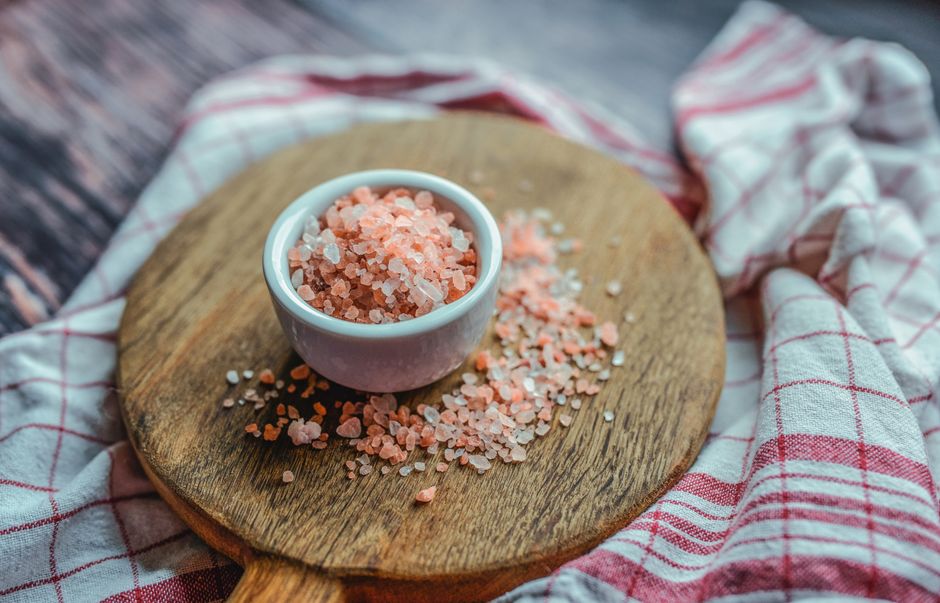
Himalayan Pink Salt
Known for its striking pink color and mineral content, Himalayan pink salt is harvested from salt deposits in the Himalayan mountains. It’s often touted for its health benefits and unique flavor.
Flavored and Gourmet Salts
Flavored salts, such as garlic salt, onion salt, or smoked salt, combine salt with various flavoring agents. Gourmet salts, often infused with herbs or spices, offer a unique finishing touch to dishes.
How to Use Salt in Cooking
While the type of salt is important, understanding how and when to apply salt in cooking is crucial. Here are some essential techniques and tips to maximize the effectiveness of salt in your cooking.
Seasoning During Cooking
Seasoning throughout the cooking process is essential. Here’s a simple guide to follow:
“A mindful approach to salting transforms good dishes into great ones.”
The Right Salting Techniques
Finishing Touches with Salt
Finishing salts, such as flaky sea salt, are great for preserving textures and adding bursts of flavor. Sprinkle these salts over your dishes just before serving. This simple step can elevate everything from roasted vegetables to grilled meats and even desserts.
- Grilled Steaks: Just after grilling, sprinkle finishing salt to bring out the meat’s umami flavor.
- Roasted Veggies: Add a sprinkle of sea salt once they are out of the oven to enhance their natural sweetness.
- Chocolate Desserts: For a contrasting flavor, a pinch of flaky sea salt atop brownies or cakes can create a delightful balance between sweet and savory.
Common Salt Mistakes to Avoid
Even seasoned cooks can make mistakes with salt, leading to overly salty dishes or under-seasoned meals. Being aware of common pitfalls can help you avoid these issues and ensure your cooking consistently shines.
Over-Salting
One of the most common mistakes is over-salting, which can overwhelm the other flavors in a dish. To avoid this:
Under-Salting
On the flip side, under-salting can lead to bland dishes. Remember that it’s often easier to add salt than to fix an overly salty dish. Follow these tips:
Ignoring Salt’s Role in Cooking Time
Cooking techniques can affect how salt interacts with food. For instance, the longer an ingredient cooks, the more concentrated its flavors will become. Here’s what to keep in mind:
Salt and Health Considerations
While salt is essential for various bodily functions, it’s important to consume it in moderation due to its link to high blood pressure and other health concerns. Understanding how to balance salt in your diet is key.
Recognizing Sodium Intake
Flavor Alternatives
Many cooks seek alternatives to salt for flavor enhancement. Here are some popular substitutes:
Creative Uses of Salt in Cooking
Beyond your typical applications, salt can be employed in various creative methods to enhance your culinary repertoire. Here, we will explore some unconventional uses for salt that can add flair and depth to your dishes.
Salt Crust Cooking
Cooking food in a salt crust is not only visually impressive but also locks in moisture and flavors. This technique is most famously applied to whole fish or meats.
The result is moist, flavorful protein with a unique texture and presentation.
Salt Blocks
Cooking on salt blocks is an innovative method that adds subtle flavor and a beautiful presentation to your dishes.
Salt and Sweets
Salt can also enhance sweet dishes, creating a balance of flavors that enhances the overall taste experience.
Final Thoughts
Mastering salt is an integral part of becoming a skilled home cook. Understanding the various types of salt, their unique properties, and the science behind how salt interacts with food can empower you to season with confidence and precision. Always remember to taste as you go, adjust seasoning in layers, and not to shy away from being explorative in your uses of salt.
Salt is not just an ingredient but a culinary tool that, when used correctly, brings dishes to life. From the simple act of seasoning to more advanced techniques like brining and salt-crust cooking, the culinary potential of salt is immense. Embrace this essential ingredient in your kitchen, transforming your everyday cooking into extraordinary experiences. In a world of flavors, salt is your trusty companion—the maestro that conducts the symphony of taste, balancing sweetness, acidity, and umami, leading to culinary harmony.


Get the Next Recipe
Weekly recipes, techniques, and gear picks — straight to your inbox.
