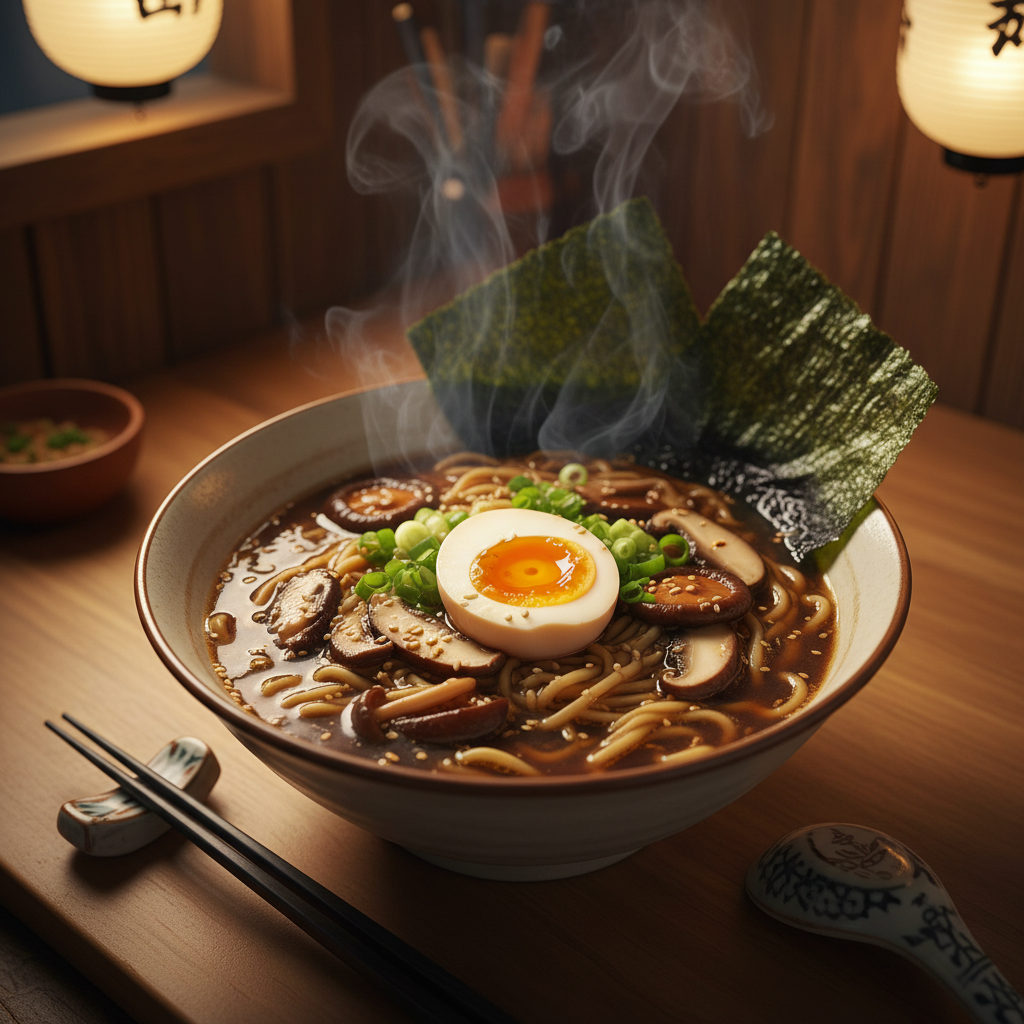
Understanding Umami and MSG
Umami, often referred to as the fifth taste alongside sweet, sour, salty, and bitter, holds a unique position in the world of flavor. To the untrained palate, it might seem elusive, almost like a hidden layer beneath the surface of taste that can transform the ordinary into the extraordinary. This savory sensation, which translates roughly from Japanese as "delicious flavor," elevates dishes, enriching them in a way that stirs a deeper satisfaction than mere sweetness or acidity alone can offer. Understanding umami and its role in culinary applications not only enhances the dishes we prepare but also deepens our appreciation for the art of cooking.
The quest for umami has led many chefs and home cooks alike to explore a myriad of ingredients that carry this rich flavor profile. Foods like tomatoes, mushrooms, aged cheeses, and fermented products are all excellent sources of umami. However, one compound in particular—monosodium glutamate, commonly known as MSG—has been a topic of both reverence and controversy. MSG's reputation swings from being praised as a flavor enhancer that unlocks the full potential of dishes, to vilified as a substance to be avoided at all costs. It’s time to peel back the layers of misunderstanding and explore the science behind umami, the role of MSG, and how they can both elevate your cooking.
In this culinary journey, we’ll delve into the science of umami, its discovery, sources, and how to skillfully incorporate it into your cooking. We’ll also uncover the truths and misconceptions surrounding MSG, exploring both its safety and flavorful potential. Understanding these elements can vastly improve your culinary repertoire, allowing you to create dishes that are more balanced, complex, and—most importantly—delicious. Whether you’re a seasoned chef or a passionate home cook, embracing the umami flavor and understanding MSG can help you craft meals that resonate on a profound level with anyone lucky enough to partake.
The Science of Umami
Umami is a phenomenon that deserves scientific scrutiny. Discovered in 1908 by Japanese chemist Kikunae Ikeda, umami emerged from the exploration of flavors in traditional Japanese cuisine. Ikeda isolated glutamate, an amino acid found abundantly in many natural foods, which imparted this coveted savory taste. Subsequent research has shown that umami can be attributed to other compounds as well, including inosinate found in fish and guanylate, occurring in mushrooms. This triad of compounds—glutamate, inosinate, and guanylate—forms the cornerstone of umami flavor in various cuisines worldwide.
The Role of Glutamate
Glutamate is an amino acid that our bodies produce. It plays a vital role in the metabolism of protein and is critical for brain function. However, glutamate's impact in the culinary world is much more profound. When we consume foods rich in glutamate, receptors in our taste buds—including T1R1 and T1R3—detect it, sending signals to our brain that we are experiencing the umami taste. The complexity of this interaction between glutamate and our taste receptors is a key reason why umami-rich ingredients enhance the flavors of dishes.
Some natural sources of glutamate include:
Other Umami Compounds
As mentioned, glutamate is not alone in the quest for umami. Inosinate, primarily found in animal products like sardines and meats, synergizes with glutamate, intensifying the flavor experience. Likewise, guanylate, present in foods like dried mushrooms and certain types of seaweed, enhances the taste when combined with glutamate-rich foods. This synergy is why a dish containing various umami-rich ingredients can come together harmoniously, creating a robust flavor profile that lingers on the palate.
The Discovery of Umami
The academic exploration and understanding of umami did not stop with Ikeda; it has evolved over the decades, revealing profound insights into human taste preferences. While initially embraced in Japan, the concept gradually permeated Western culinary schools, scientific research, and home kitchens. Cooking shows, food blogs, and gastro-enthusiasts have all taken note, encouraging the embrace of umami in everyday cooking.
Umami in Global Cuisines
Cuisines around the world have long utilized umami-rich ingredients, often without realizing they were tapping into this distinct taste profile. For example, Italian cuisine makes extensive use of Parmesan cheese, while Asian cuisines incorporate soy sauce and fish sauce as staples. In Mediterranean dishes, tomatoes are often roasted to intensify their naturally existing umami taste, showcasing the versatility of this flavor enhancer across different cultures.
Modern Umami Exploration
In recent years, chefs have taken up innovative methods to harness umami. From the practice of fermentation to using techniques like slow-roasting or smoking, each has been embraced to bring out the natural umami in dishes. Restaurant kitchens now often experiment with umami pairings, crafting dishes that balance sweet, salty, sour, and umami. By understanding the composition of umami, chefs can create recipes that stimulate the palate in unexpectedly delightful ways.
Embracing MSG
Now that we've established what umami is and its importance, let’s delve deeper into monosodium glutamate, or MSG. This flavor enhancer has been a game changer in the culinary world, unlocking flavors that might remain hidden. Despite this, MSG has faced its fair share of skepticism and criticism over the years.
What Is MSG?
Monosodium glutamate is the sodium salt of glutamic acid, one of the most common amino acids. It was invented in the early 20th century to help enhance the taste of foods. MSG works by amplifying the umami flavor in dishes. When added, it makes food taste richer and more savory, elevating the overall flavor profile.
The Safety Debate
Despite its widespread use, MSG has been at the center of health debates. Some anecdotal reports have linked MSG to various symptoms, often referred to as "Chinese Restaurant Syndrome," including headaches, nausea, and sweating. However, extensive research conducted by health organizations such as the FDA and WHO has consistently shown that MSG is safe for consumption for the general population. It is essential to consume it like any other ingredient — in moderation. Understanding and debunking the myths surrounding MSG is critical for cooks who want to utilize it as an effective flavor enhancer in their dishes.
"MSG enhances the umami flavor in food, making it richer and more savory. It’s crucial to separate myth from fact when discussing its safety."
Cooking with MSG
For those willing to experiment, introducing MSG into your cooking can yield remarkable results. Here are some practical tips for using MSG in your culinary endeavors:
Utilizing MSG effectively can bring a new level of satisfaction to your meals, enhancing flavors without overshadowing the key components of each dish.
Exploring Umami-Rich Ingredients
To master the art of umami, it’s essential to understand the ingredients that contribute to this taste. Here, we will explore some of the most prominent umami-rich foods that should find a place in every home cook's kitchen.
Tomatoes
Tomatoes, especially when roasted or sun-dried, are excellent sources of umami. The cooking process caramelizes the sugars and concentrates the flavors, enhancing their natural savory qualities.
- Preheat the oven to 400°F (200°C).
- Halve the tomatoes and place them on a baking sheet, cut side up.
- Drizzle with olive oil, sprinkle with salt, and optionally add herbs like thyme or basil.
- Roast for 25-30 minutes until they are caramelized.
Mushrooms
Mushrooms are incredibly versatile and can add depth to dishes. Varieties such as shiitake and porcini are particularly potent in umami flavor due to their rich glutamate content.
- Heat a skillet over medium heat and add a tablespoon of oil.
- Once hot, add sliced mushrooms and sprinkle with salt.
- Cook for about 5-7 minutes until they release their liquid and turn golden brown. Finish with a splash of soy sauce or balsamic vinegar for extra depth.
Aged Cheeses
Cheeses like Parmesan and Grana Padano offer intense umami profiles. Grating fresh cheese over dishes can elevate pasta, risottos, and salads.
- Always grate cheese fresh for maximum flavor. Use a microplane for fine shavings or a box grater for thicker pieces to add texture to dishes.
Techniques to Enhance Umami
Having a solid grasp on umami-rich ingredients is integral, but knowing how to apply certain techniques can further elevate your culinary creations. Using various cooking methods to coax out naturally delicious flavors can dramatically enhance your dishes.
Slow Cooking
Slow cooking allows flavors to develop deeply over time. The long, low heat enhances the umami notes in meats and vegetables alike by breaking down proteins more thoroughly.
- Sear chunks of beef in olive oil until browned, then add chopped onions and garlic.
- Pour in beef stock, and a splash of soy sauce, and add herbs like rosemary.
- Cook on low for 6-8 hours in a slow cooker for an intensely flavored dish.
Grilling
Grilling enhances the umami flavors in meat due to the Maillard reaction, which occurs when protein reacts under high heat. This gives grilled foods that coveted caramelized crust and depth of flavor.
- Preheat the grill to medium-high (around 375-450°F).
- Marinate meat in a mixture containing soy sauce, garlic, and ginger for a few hours before grilling.
- Grill until a crust forms, monitoring closely for the correct doneness.
Roasting Vegetables
Roasting concentrates flavors and creates appealing caramelization on vegetables, enhancing their natural umami taste.
- Choose vegetables like Brussels sprouts, carrots, and bell peppers.
- Toss with olive oil, salt, and balsamic vinegar, and roast in a preheated oven at 425°F (220°C) for 30-35 minutes until golden and tender.
Structuring an Umami-Rich Meal
When crafting a meal, balancing umami with other flavor components can create a harmonious dining experience. Here’s how to structure a delicious dinner that embodies umami as a central theme.
Varying Textures and Flavors
Plating for Impact
Creating a visually appealing dish enhances the dining experience. Use colorful ingredients and thoughtful arrangement on the plate. Fresh herbs, edible flowers, or a sprinkle of toasted nuts can elevate not only presentation but also the flavor complexity of your dish.
Final Thoughts
Understanding umami and how to utilize MSG can transform your culinary creations from good to unforgettable. By immersing yourself in the science behind flavors, experimenting with umami-rich ingredients, and employing techniques that amplify these profound tastes, you will be well on your way to becoming a culinary expert. The magic of umami lies in its ability to make meals more enjoyable and satisfying, contributing a depth of flavor that delights the senses.
As you continue to explore the world of umami, remember that cooking is as much an art as it is a science. Trust your palate, experiment with new flavors, and don’t be afraid to incorporate ingredients like MSG to enhance the dishes you share with family and friends. In the realm of flavor, umami is a powerful ally—embracing it will undoubtedly lead to more rewarding and enriching culinary adventures. Expand your horizons and enjoy the journey of flavor exploration that umami offers. After all, cooking is about joy, creativity, and the love we share through food.
(2,024 words)


Get the Next Recipe
Weekly recipes, techniques, and gear picks — straight to your inbox.
