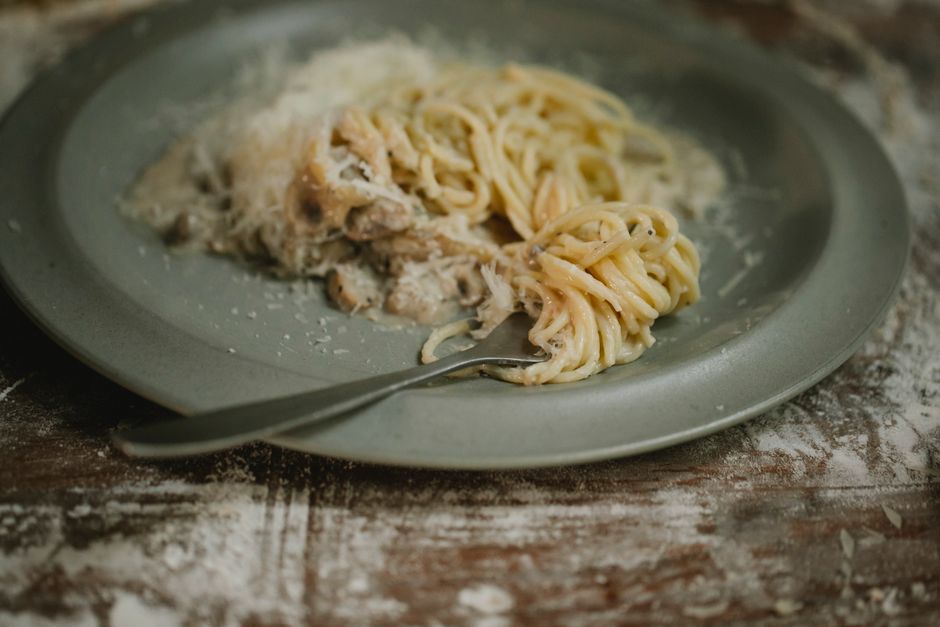
Understanding Umami: The Fifth Taste
Umami, often referred to as the fifth taste, has become a culinary buzzword in recent years, but its roots run deeper into the history of flavor and gastronomy than most home cooks might realize. Originally identified in Japan in 1908, this elusive taste is characterized by its rich, savory complexity. Unlike sweet, sour, salty, and bitter, umami represents an entirely different spectrum of flavor, often described as meaty, broth-like, or earthy. It has the unique ability to enhance the flavor profiles of various dishes, leading to a more satisfying dining experience. As cooking enthusiasts, understanding umami can elevate both the ingredients we choose and the meals we create in our kitchens.
At its core, umami is primarily linked to the presence of amino acids, particularly glutamate, and certain nucleotides such as inosinate and guanylate. These compounds exist in a variety of foods, ranging from meats and cheeses to vegetables and fermented products. The discovery of umami has not only revolutionized how chefs approach flavor composition but has also provided home cooks with a powerful tool to deepen their culinary repertoire. By understanding how to incorporate umami into our cooking, we can craft dishes that are more harmonious and appealing to the palate.
The science behind umami is fascinating and plays a crucial role in achieving balanced flavors. By exploring its properties, applications, and the various ingredients that embody its essence, we equip ourselves with the knowledge to create complex and deeply satisfying meals. This exploration will also involve practical tips for home cooks, giving you the confidence to incorporate umami into your everyday cooking. So let’s dive in and unravel this fifth taste, its significance in our cooking, and how you can harness its power to create delectable dishes.
The Origins of Umami
Understanding umami starts with its discovery in Japan over a century ago. Dr. Kikunae Ikeda, a Tokyo-based chemist, was the first to isolate the compound responsible for the savory taste from kombu, a type of seaweed used in traditional Japanese cooking. This revelation was sparked by Dr. Ikeda's observation that the flavor of one of the country's staple dishes, dashi, was distinctive and different from the other recognized tastes. He identified glutamate as the compound that created this unique flavor sensation, laying the foundation for umami as a distinct taste in culinary science.
Developing the Umami Palette
The journey of umami didn’t just stop in Japan; it traversed the globe, gaining acceptance in various culinary traditions. In Italian cuisine, for example, ripe tomatoes are revered for their umami-rich flavor, particularly when concentrated in sauces like marinara. Similarly, in French cooking, aged cheeses such as Parmesan and Roquefort are celebrated for their deep umami profiles. Across different cultures, certain ingredients have been embraced for their rich tastes, all thanks to the presence of glutamate and its companions.
Umami is frequently associated with fermentation and cooking techniques that concentrate flavors. For instance, slow-roasted meats and well-aged balsamic vinegar have intensified flavors through various processes that enhance their umami contributions. Even in baking, umami-rich ingredients can play a role; consider how the extended fermentation of bread can deepen its flavor, producing not just a pleasant aroma but also a complex taste that surprises and delights.
The Science Behind Umami
Understanding umami isn't merely about recognizing flavors; it’s about grasping the biochemical reasons behind why we find certain foods so satisfying. The human tongue has specific receptors for detecting umami, primarily responding to the presence of amino acids tied to proteins. When we consume foods rich in glutamate, these amino acids bind to the receptors, triggering sensory signals that create the perception of umami.
How Umami Enhances Flavors
Umami’s uniqueness lies in its ability to enhance and balance other tastes. When combined with sweetness, it can create a symphony of flavor that takes the dish to new heights. For instance, consider a rich tomato sauce simmered with a touch of sugar; here, the sweetness amplifies the umami from the tomatoes, resulting in a more well-rounded sauce. Likewise, savory products such as soy sauce or miso often add salty notes to dishes while contributing significantly to umami, enabling a more dynamic flavor profile.
Professional chefs often utilize umami to create “layered flavors” in their cooking. This involves adding umami-rich ingredients at different stages, ensuring that the final dish has depth and complexity. A marinade featuring soy sauce and garlic can penetrate meat, allowing the umami flavor to mingle beautifully with other spices, bringing out both richness and satisfaction.
Key Ingredients for Umami
The next step in mastering umami is understanding the various ingredients that contribute to it. There are numerous options, each bringing its own unique profile to a dish. Here are some primary categories of umami-rich ingredients:
Meats and Seafood
- Beef: Especially certain cuts like ribeye, which tend to be more marbled.
- Pork: Ham and bacon are excellent examples, not only from the meat itself but also from the curing process which enhances flavor.
- Poultry: Dark meat from chicken or duck is known for its richness.
- Anchovies: Their concentrated flavor lends itself beautifully to sauces and dressings.
- Mackerel: Known for its richness, making it a great addition to salads or grilled dishes.
- Shellfish: Oysters and clams contain significant umami, making them ideal for broths and soups.
Vegetables and Plant-Based Options
Umami is not exclusive to meats; many vegetables deliver rich umami flavors as well. The most notable among them include:
Fermented Products
Fermentation is a magical process that can significantly enhance umami. Fermented foods often develop new flavor profiles that are both pleasing and complex. Here’s a breakdown of some essential fermented umami ingredients:
Cooking Techniques to Enhance Umami
Various cooking techniques can amplify umami in dishes, allowing you to create flavors that sing. Here are some pivotal methods to consider:
Slow Cooking
The power of slow cooking lies in its ability to deepen flavors through time. Whether you’re braising a tough cut of meat or simmering a broth, this method enables the natural flavors to meld harmoniously. For example, when making a beef stew, consider these steps:
Concentrating Flavors
Concentration can effectively boost umami. Here are a few techniques to achieve this:
Pairing and Layering Flavors
Professional chefs are masters at flavor pairing, knowing how to layer umami elements to create memorable dishes. Here’s how to build complexity:
Umami in Global Cuisines
As we broaden our understanding of umami, it’s essential to explore how different cultures embrace this unique taste. Here, we’ll look at how various cuisines weave umami into their culinary fabric.
Asian Cuisine
Asian cooking is perhaps the most closely associated with umami due to its diverse repertoire of umami-rich ingredients:
Mediterranean Influences
In Mediterranean cuisine, umami shines through:
Exercises for Home Cooks: Enhancing Your Cooking Skills
Now that you’ve delved into the world of umami, it’s time to exercise your skills at home with these simple yet effective techniques to transform your cooking.
Experimentation in the Kitchen
Recipe Planning
- Add a tablespoon of soy sauce to your vegetable stir-fry for unexpected richness.
- Include sautéed mushrooms in your mashed potatoes for an extra umami kick.
- Consider making a bolognese sauce. Begin with aromatic vegetables, add ground beef or turkey, and finish with fresh basil and a dash of balsamic vinegar.
Taste Testing
Host a tasting party focused on umami elements:
Conclusion
Understanding umami is not just about pinpointing a flavor; it's about elevating our culinary experience through the rich tapestry of tastes available in the world around us. By harnessing the unique qualities of umami, home cooks can create more vibrant, satisfying meals that resonate with depth and character.
Armed with the insights of this fifth taste, you now have the tools at your disposal to embrace its complexity in your everyday cooking. Whether you’re simmering a hearty stew or crafting a delicate sauce, the principles of umami can transform your approach to flavor, leading to dishes that not only nourish but also delight the senses. Embrace the science, savor the taste, and let your culinary imagination run wild.
With each meal you prepare, remember that you’re not just cooking; you’re crafting an experience, one that lingers on the palate long after the last bite has been savored. So go forth with your newfound knowledge and get ready to blame the chef for any irresistible dishes that charm your friends and family—all thanks to the magical allure of umami.
(Word Count: 2,025)


Get the Next Recipe
Weekly recipes, techniques, and gear picks — straight to your inbox.
