Understanding Umami: The Fifth Taste That Transforms Your Cooking
For generations, culinary traditions were defined by a four-part harmony: sweet, salty, sour, and bitter. We were taught that these four pillars explained everything we experienced on our palates, providing a neat framework for understanding why a pinch of sugar balances a tomato sauce or why lemon juice brightens a heavy cream soup. However, for those of us who have spent decades behind the line, there has always been a "ghost" element—that elusive, savory depth that keeps diners reaching for one more bite. This sensation, now globally recognized as Umami, is the secret weapon of the professional kitchen, the difference between a meal that merely sustains and a dish that haunts the memory.
Understanding the science behind this fifth taste is not just an academic exercise for food chemists; it is an essential tool for any home cook looking to level up their repertoire. Umami, a Japanese term meaning "pleasant savory taste," is derived primarily from the presence of glutamates, inosinates, and guanylates. These compounds interact with specific receptors on your tongue, triggering a physiological response that signals the brain to recognize protein-rich, nourishing food. By learning how to harness these compounds, you can transform a humble bowl of lentils or a plain seared steak into something profoundly complex and satisfying without adding a single gram of salt.
In this deep dive into the science and application of Umami, we will strip away the mystery and provide you with actionable techniques to infuse your daily cooking with professional-grade depth. We aren’t just talking about adding soy sauce to everything; we are talking about layering flavor through fermentation, Maillard reactions, and intentional ingredient selection. Whether you are a vegetarian looking to add "meaty" satisfaction to your dishes or a home chef striving for that elusive "restaurant quality" finish, this guide will change the way you look at your pantry. Prepare to stop blaming the chef for your lackluster sauces and start mastering the alchemy of flavor.
The Chemistry of Savory: What is Umami?
At its core, Umami is the sensory perception of amino acids, specifically L-glutamate. When we talk about savory flavors, we are essentially talking about the body’s innate ability to detect the presence of proteins, which are chains of amino acids. Glutamate is the most abundant non-essential amino acid in nature, and it is found in incredibly high concentrations in foods like ripe tomatoes, aged Parmesan cheese, and dried mushrooms. When you combine these foods, you are not just adding ingredients; you are creating a synergistic effect that amplifies the intensity of the savory sensation.
The magic truly happens when you pair glutamates with nucleotides like inosinate (found in fish and meats) or guanylate (found in dried mushrooms). This is known as Umami synergy. When these compounds meet on the tongue, they don't just add together; they multiply in intensity. A dish with both glutamate and inosinate can be up to eight times more savory than a dish containing the same amount of glutamate alone. This is why a classic dish like pasta with meat sauce, which combines tomatoes (glutamate) with ground beef (inosinate), is so universally craved.
"Umami is the bridge between a simple meal and an unforgettable culinary experience. It is the language that our palates speak when we are truly satisfied."
Identifying Umami-Rich Ingredients
To start cooking with more intention, you need to stock your pantry with the heavy hitters of the savory world. Think of these as your "flavor primers." They act as the base note for your culinary compositions, providing a foundation that allows other flavors to sing.
Fermented Pastes*: Miso, gochujang, and high-quality tomato paste.
Aged Dairy*: Parmesan, Pecorino, and Roquefort.
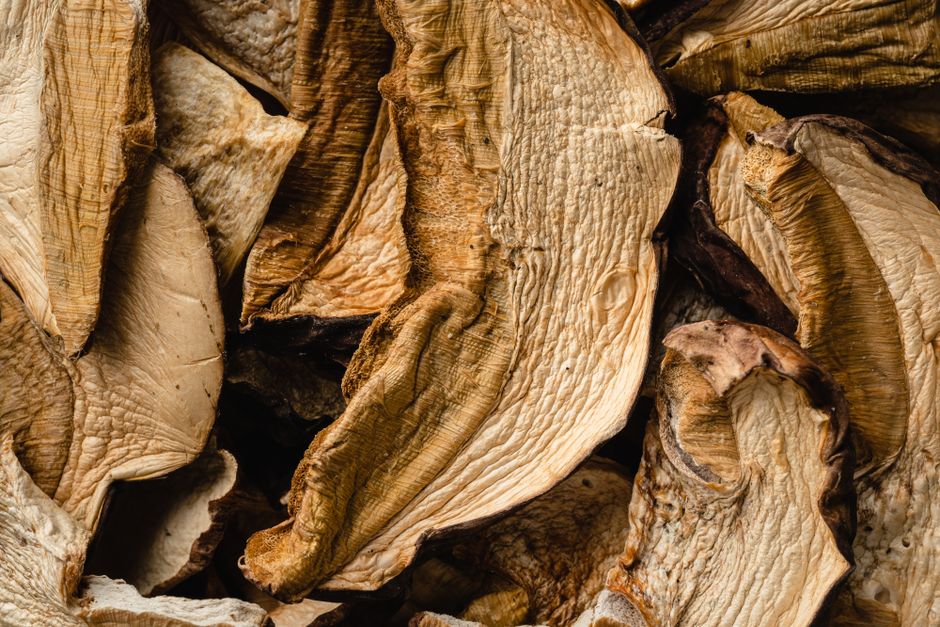
Dried Fungi*: Shiitake mushrooms, porcini, and morels.
Cured Proteins*: Anchovies, bacon, pancetta, and cured ham.
Sea Vegetables*: Kombu (dried kelp) and nori.
Techniques for Unlocking Flavor: The Maillard Reaction
The Maillard reaction is perhaps the most important chemical process in the kitchen. It is the non-enzymatic browning that occurs when amino acids and reducing sugars are heated together. This process creates hundreds of flavor compounds that define the smell of toasted bread, the sear on a steak, and the golden crust on a roasted vegetable. Without this, your food would taste boiled, gray, and fundamentally unfinished. To maximize this reaction, you must manage your heat and moisture levels precisely.
When searing meat, the biggest enemy is moisture. If your pan is crowded or the surface of the meat is wet, the temperature will drop, and the protein will steam rather than brown. To ensure a perfect Maillard reaction, pat your proteins dry with paper towels at least 15 minutes before cooking. Ensure your pan is preheated until it is smoking slightly—aim for a surface temperature of about 350°F to 400°F (175°C to 205°C). The goal is to achieve a deep, dark brown crust, not just a light sear.
The Art of Deglazing
The "fond"—that brown, sticky debris left on the bottom of your pan after searing—is essentially concentrated Umami. It is a goldmine of flavor that is often wasted if you move straight to serving. Deglazing is the technique of adding a liquid (wine, stock, or even water) to the hot pan to release these browned bits.
Building Layers: The Hierarchy of Stocks and Bases
Great cooking is rarely about a single ingredient; it is about the architecture of flavor. Professional chefs never rely on a single source of Umami for a dish. Instead, they build a foundation. Think of this like building a house: the foundation needs to be stable and deep. A simple chicken soup can be transformed by starting with a base that includes both fresh chicken (inosinates) and a piece of kombu (glutamates).
The "Stock Pot Strategy" is a technique used to extract maximum depth. When making a stock, never rush the process. A classic bone broth should simmer gently—not boil—for at least 6 to 12 hours. Boiling causes the proteins to emulsify into the water, resulting in a cloudy broth. A gentle simmer allows for the slow breakdown of collagen into gelatin, which provides a mouth-coating viscosity that carries the savory flavor across your palate.
"The true test of a chef is not how they handle the expensive ingredients, but how they extract the soul from the humble scraps and bones."
The Power of Reduction
Once your stock is prepared, the final step in the transformation is reduction. By simmering the liquid further, you evaporate the water content, effectively increasing the concentration of dissolved solids. This is how you move from a thin, watery liquid to a rich, glossy demi-glace or a concentrated pan sauce. Aim to reduce your stock by at least 50% for standard sauces, or 75% for a full-bodied reduction.
Fermentation: Harnessing Microbial Magic
If you want to reach the pinnacle of savory flavor, you must look toward fermentation. This is the process of using bacteria or yeasts to break down complex molecules into simpler, more flavorful compounds. For example, in a raw soybean, the proteins are locked away in a structure that is difficult for our tongues to process. Through the process of making miso or soy sauce, those proteins are broken down into free amino acids, including a massive amount of glutamate.
When you add a tablespoon of red miso to a stew, you are essentially adding a concentrated dose of liquid savoriness. However, be cautious with heat. Because fermentation relies on delicate enzymes, boiling miso at a high temperature for too long can mute its complex, earthy notes. Always whisk your miso into your dish at the very end of the cooking process, just before serving, to preserve its nuanced profile.
Quick Fermentation Hacks for the Home Cook
You don't need a year to see the benefits of fermentation. You can mimic these results using clever shortcuts that provide similar, if not identical, depth:
Fish Sauce: Use a splash of Thai or Vietnamese fish sauce in your tomato-based pasta sauces or beef stews. It disappears into the flavor profile while acting as an Umami bomb*.
Miso Butter*: Mix two parts room-temperature butter with one part white miso paste. Spread this on grilled vegetables or swirl it into a risotto.
Tomato Concentrate*: Double-brown your tomato paste in a pan with olive oil until it turns a deep brick-red color before adding your liquid.
Vegetarian Umami: The Plant-Based Frontier
One of the most common complaints among home cooks is that vegetarian food feels "thin." Without animal fats or meat-based stocks, it can be difficult to achieve that deep satisfaction. However, plants are actually some of the most potent sources of Umami available. You just need to know which ones to reach for and how to coax the best out of them.
The secret to plant-based savory cooking is the Mushroom Trio: dried shiitake, porcini, and fresh cremini. Dried mushrooms are incredibly concentrated. Rehydrating them in hot water creates a dark, flavorful "mushroom tea" that serves as the perfect substitute for beef stock. If you are sautéing vegetables, don't rush. Mushrooms contain high levels of glutamate, but it only becomes fully accessible when the mushrooms have been cooked long enough to release their moisture and brown significantly.
A Master Plan for Umami-Rich Risotto
The Role of Salt: Enhancing, Not Masking
We must address the elephant in the room: salt is not Umami, but it is the primary catalyst that allows us to perceive it. Salt acts as an amplifier. When you add salt to a dish that is already rich in glutamates, the two work in tandem to increase the overall savory impact. This is why a dish that tastes "bland" is often simply lacking in salt—not necessarily lacking in depth.
However, the timing of your seasoning is critical. If you salt your vegetables too early, they will release their water and become soggy, preventing them from browning. If you salt your meat too late, the salt will only sit on the surface rather than penetrating the fibers. A professional chef’s golden rule is to salt at every stage of the cooking process: salt the aromatics, salt the proteins, and season your final sauce.
Understanding Seasoning Levels
The Baseline*: Season your base aromatics (onions, celery, carrots) with a light pinch of salt to draw out moisture.
The Protein*: Salt your meat well in advance (ideally 30 minutes) to allow for osmotic diffusion.
The Finish*: Always taste your dish at the final stage of reduction. This is when the flavor is at its peak concentration, and your seasoning needs will be most accurate.
Creating Your Own Umami Pantry
Your pantry should be your primary tool for flavor creation. If you rely on pre-packaged, "ready-to-eat" sauces, you are limiting your ability to control the flavor profile of your food. By stocking a few key high-impact items, you can create a custom Umami profile for every meal you cook. Think of these as your "secret sauces."
Start with the basics: a high-quality soy sauce (look for naturally brewed), a bottle of aged balsamic vinegar (which provides both acidity and deep, syrupy savory notes), and a bag of dried kombu. With these three, you have the components to create a near-infinite variety of savory depths. Don't be afraid to experiment with combinations. A splash of soy sauce in a tomato soup, or a pinch of finely ground dried mushroom in a spice rub, can elevate a dish from amateur to expert in seconds.
The Five Pillars of an Umami Pantry
The Psychological Impact of Savory Cooking
Food is not just about calories; it is about satiety and emotional comfort. There is a reason why "comfort food" almost always centers on Umami. It provides a feeling of fullness and satisfaction that high-sugar or high-acid meals simply cannot achieve. By understanding how to manipulate these flavors, you can create food that nourishes the soul as much as the body.
Furthermore, cooking with a focus on depth allows you to use less salt and less sugar in your diet. When a dish is inherently flavorful and savory, you don't need to mask its shortcomings with excessive seasoning. You are essentially using science to promote health. This is the ultimate goal of the modern home cook: to create food that is as good for you as it is delicious.
"A great cook understands that the plate is an extension of their personality; make it bold, make it deep, and make it savory."
Mastering the Heat: Professional Temperature Control
Temperature control is the difference between a amateurish home cook and a seasoned professional. Too often, recipes are followed with a "low and slow" mindset, ignoring the fact that many dishes require high-heat bursts to develop character. When working with Umami sources, you must understand how to balance heat. For example, searing a steak requires intense heat to trigger the Maillard reaction, while simmering a broth requires gentle heat to extract gelatin and amino acids without bitter tannins.
Use an infrared thermometer if you are serious about your sear. Aim for 400°F (205°C) for protein browning. When simmering, keep your liquid at a gentle "smile" (the occasional small bubble), which is roughly 190°F to 200°F (88°C to 93°C). If you see large, violent bubbles, you are boiling away the delicate flavor compounds and emulsifying fats that should stay separated.
Techniques for Precision
The Sear-and-Simmer*: Always brown your meat well before adding any liquid. This is the foundation of every great braise.
Residual Heat*: Turn off your burner a minute before you think the dish is done. The carry-over heat will finish the cooking without over-reducing your sauce.
The Cold-Start*: When making stocks, start with cold water. This allows for a more gradual extraction of proteins and minerals as the temperature rises.
The Final Balancing Act: Acidity and Sweetness
Once you have built your Umami base, the final step is balancing it with acid and sweetness. Umami is a "heavy" taste—it feels grounded and dense on the tongue. To prevent a dish from feeling "muddy," you need to add an acidic component to cut through the richness. A squeeze of fresh lemon, a splash of sherry vinegar, or even a dollop of yogurt can lift the savory notes and make the dish feel vibrant.
Similarly, a hint of sweetness can bridge the gap between savory and salty. Think of a classic Bolognese. The sweetness of the carrots and the tomato, when combined with the savory beef and the sharp parmesan, creates a perfect equilibrium. If you find your dish is "missing something," the answer is almost always a touch of acid or a tiny bit of sweetness to harmonize the savory notes you’ve worked so hard to develop.
Balancing Ratios
Umami to Acid*: Start with 1 teaspoon of vinegar or lemon juice per cup of sauce. Adjust to taste.
Umami to Sweet*: Start with 1/2 teaspoon of sugar or honey per pound of meat.
The Rule of Thumb*: If it tastes "heavy," add acid. If it tastes "sharp," add a touch of fat or a tiny pinch of sugar.
Conclusion
Mastering Umami is not a destination; it is a journey of constant discovery. It requires you to be present at the stove, to taste your food at every stage, and to understand the chemical interactions that occur between your ingredients. When you stop looking at recipes as rigid sets of rules and start looking at them as chemical equations, you will unlock a level of creativity you never thought possible.
Do not be afraid to fail. Experiment with unusual combinations—try adding a piece of parmesan rind to your next batch of beef stew, or stir a teaspoon of soy sauce into your next chocolate cake batter (yes, the salt and umami will amplify the cocoa). The goal is to develop a palate that recognizes the potential in every ingredient. Your kitchen is a laboratory, and your ingredients are your reagents.
As you move forward, keep these principles in mind: layer your ingredients, respect the heat, and don't neglect the power of fermentation. When you successfully layer these flavors, you won't need to "blame the chef" for a lackluster result, because you will be the chef in command of the flavors. The complexity you desire is well within your grasp; it only requires a little bit of science, a lot of patience, and a deep appreciation for the fifth taste. Happy cooking, and may your kitchen always be filled with the intoxicating aroma of savory perfection.


Get the Next Recipe
Weekly recipes, techniques, and gear picks — straight to your inbox.
