Unlocking the Art of Confit: Techniques for Tender, Flavorful Meats and Vegetables
Unlocking the Art of Confit: Techniques for Tender, Flavorful Meats and Vegetables
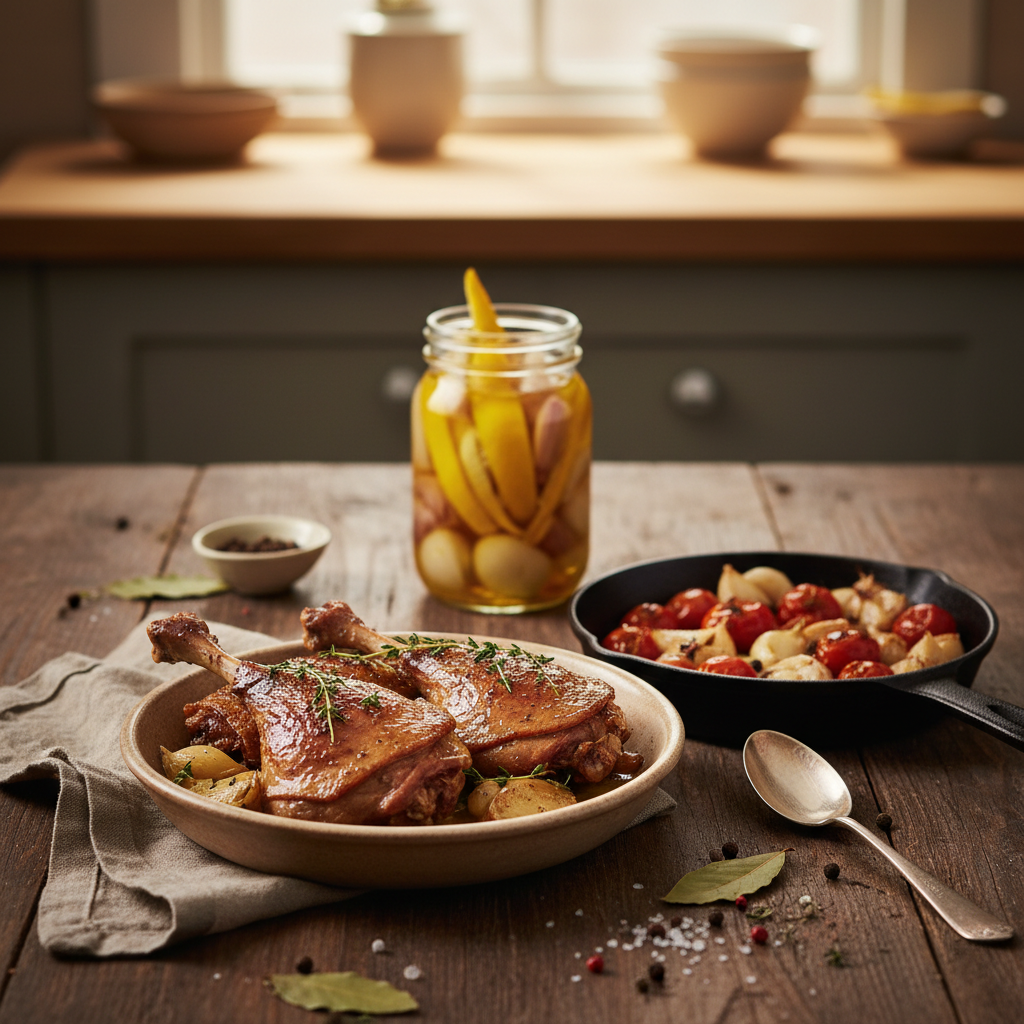
Confit is a timeless technique rooted in French culinary tradition, celebrated for its ability to transform ordinary ingredients into extraordinary delicacies. At its core, confit involves slowly cooking meats or vegetables in their own fat, which allows the flavors to meld beautifully while preserving moisture. This ancient method, originally devised as a means of preservation, is not only a practical way of extending the shelf life of ingredients but also a culinary art that unlocks deep, luxurious flavors. The result is tender, succulent meats and vegetables that sparkle with richness and complexity—perfect for elevating any home-cooked meal.
Though it may sound daunting, the process of making confit is surprisingly straightforward. With just a few key ingredients and a little patience, you can master this technique. Imagine tender duck legs, meltingly soft garlic cloves, or vibrant, jammy tomatoes—all infused with aromatic herbs and spices. Throughout this post, we will explore various confit techniques, the roles of different fats, and practical tips to help you achieve the best results in your kitchen.
While traditional confit often utilizes duck fat or goose fat, the beauty of confit lies in its versatility. You can confit almost any protein or vegetable, tailoring the method to suit your palate. As you navigate the process, it becomes clear that confit is not merely about cooking; it is about embracing the essence of the ingredients, allowing them to shine through in their purest form. Let's dive deeper into the world of confit and discover how you can incorporate this technique into your cooking repertoire, bringing warmth and satisfaction to your dining table.
What is Confit?
To truly understand confit, we must first clarify what it is and where it originated. The term “confit” comes from the French word "confire," which means "to preserve." Historically, confit was a preservation method, especially before refrigeration became commonplace. Meats, particularly duck and goose, were cooked slowly in their own fat until tender, and then stored in that fat to keep them safe from spoilage.
The Origins of Confit
Confit has its roots in the southwest of France, where rich cooking traditions developed around the plentiful game and livestock of the region. A classic example is confit de canard, or duck confit, which has become synonymous with French gastronomy. The method capitalizes on the natural flavor of the flesh while using fat as a medium for cooking, ultimately leading to outstanding taste and texture. This technique does not merely serve as a means for preservation; it creates an unparalleled depth of flavor that transforms dishes into gastronomic experiences.
Today, confit is celebrated by chefs and home cooks alike for its versatility and reliability. From meats like pork or lamb to robust vegetables, confit can infuse any ingredient with rich flavors. The beauty of confit lies in its simplicity; with minimal active preparation time, it allows your ingredients to work their magic as they slowly cook in a flavorful bath of fat. As we explore the various aspects of confit in this post, you will see how easy it is to adapt this technique for your kitchen and palate.
How Confit Works
The process of confit is based on two key principles: slow cooking and submersion. When proteins are submerged in fat and cooked at a low temperature, they are shielded from direct heat, acting almost like a gentle poaching method. This cooking technique allows for a gradual breakdown of connective tissues in the meat, resulting in a fork-tender texture. The fat plays a crucial role by ensuring even cooking and preventing moisture loss, which is essential for flavor retention.
When vegetables are involved, the concept remains similar. They are often blanched briefly before being submerged in fat, allowing their flavors to deepen and intensify as they mingle with the essence of the aromatics. The beauty of confit is not merely in the act of cooking but in the resulting layers of flavor that blossom from this slow process. Let’s break down the techniques and practical steps to create your own confit masterpiece.
Choosing the Right Ingredients
The first step to effective confit is selecting the right ingredients. The beauty of confit is its versatility; however, some choices will yield better results than others. Let's take a closer look at what you should consider when choosing meats and vegetables for confit.
Meats for Confit
When it comes to meats, fat content is key. The best candidates for confit are those cuts that benefit from slow cooking and have sufficient fat:
Vegetables for Confit
For vegetables, focus on those that hold up well during the cooking process. Consider these options:
Aromatics and Spices
Aromatics can elevate your confit to new heights. Here are some ideas:
By choosing high-quality ingredients, you set the stage for a delicious confit that will impress your family and friends. Consider sourcing your proteins and vegetables from local farmers' markets or trusted butchers to enhance freshness and flavor.
The Process of Making Confit
Now that we have selected our ingredients, it's time to delve into the actual process of making confit. While the method is relatively straightforward, it does require some patience, which is rewarded with the most succulent results.
Basic Steps to Prepare Confit
Here’s a step-by-step guide to making confit:
- Trim any excess sinew or connective tissue from the meat.
- For vegetables, peel and chop them into uniform pieces to ensure even cooking.
- For meats, season generously with salt or a mix of (salt, herbs, spices).
- Let the meat cure for several hours (or preferably overnight) in the refrigerator to enhance flavor and texture.
- After curing, rinse the meat or vegetables to remove excess salt. Pat them dry with paper towels.
- In a heavy, oven-safe pot or Dutch oven, place the meat or vegetables with fresh herbs and spices, then cover them completely with your chosen fat (duck fat, olive oil, etc.).
- Ensure the fat is at least 1-2 inches above the ingredients.
- Cook at a low temperature (ideally between 225°F to 250°F) for several hours.
- Meat: Cook for 4-6 hours or until tender.
- Vegetables: Cook for 1-2 hours or until they reach the desired tenderness.
- Once cooked, cool the confit in its fat, then store it in a sealed container in the refrigerator. The fat acts as a seal, creating an airtight environment that will allow the confit to keep for weeks.
Cooking Times and Temperatures
Understanding ideal cooking times and temperatures will help you achieve optimal texture without overcooking your ingredients.
Utilizing a combination of a probe thermometer and visual cues—such as beautiful golden-brown color or the way it breaks apart easily—can inform you when your confit is ready.
Enhancing Flavor with Variations
Once you have the basic confit technique down, consider exploring different flavor profiles by experimenting with other fats and seasoning blends.
Utilizing Different Fats
While duck fat is a traditional choice, many options can offer unique flavors:
Experimenting with Spices and Herbs
Once you're comfortable with the fundamental process of confit, you can start playing with different spices and herbs to create distinct flavor profiles. A few ideas include:
Creating Compound Butters
Using the leftover fat from your confit can yield an amazing result. Strain the fat and blend it with fresh herbs to create a compound butter. Use this butter to baste meats, spread on bread, or enhance vegetables.
Storing and Using Confit
One of the beautiful aspects of confit is its longevity. When stored properly, it can last for weeks, providing you with convenient and delicious options for mealtime.
Proper Storage Techniques
To maximize the shelf life of your confit:
Utilizing Your Confit
Now that you have your confit ready, the next step is to incorporate it into meals:
Pairing Suggestions for Confit Dishes
While confit provides an abundance of flavor on its own, the right pairings can elevate your meal to the next level. Understanding how to complement the richness of confit with other ingredients is essential.
Suggested Side Dishes
Pair confit with side dishes that provide balance in flavor and texture:
Wine Pairings
The right wine can enhance your dining experience significantly:
"Confit serves not only as a cooking technique but also as a culinary experience that lingers on your palate long after the meal is over."
Final Thoughts
Confit is a magical technique that brings out the very best in meats and vegetables, transforming them into something memorable. With its roots steeped in tradition, mastering confit not only enriches your cooking skillset but also allows you to explore a world of flavors and textures.
As you embark on your confit journey, remember that patience is your ally. The slow cooking process unlocks tender textures and deep flavors, and the rewarding outcomes make every moment worth it. Whether you are a seasoned home cook or someone just starting in the culinary realm, confit is a technique that deserves a place in your kitchen. Embrace the simplicity, enhance your meals, and enjoy the tender, flavorful dishes that come from mastering the art of confit. Let this technique become a vital part of your culinary story, allowing you to create cherished dishes for family and friends alike.
With each confit you prepare, you not only preserve the ingredients but also the stories shared around the dining table—a true testament to the art of cooking, where every meal becomes a memory.
Get the Next Recipe
Weekly recipes, techniques, and gear picks — straight to your inbox.
