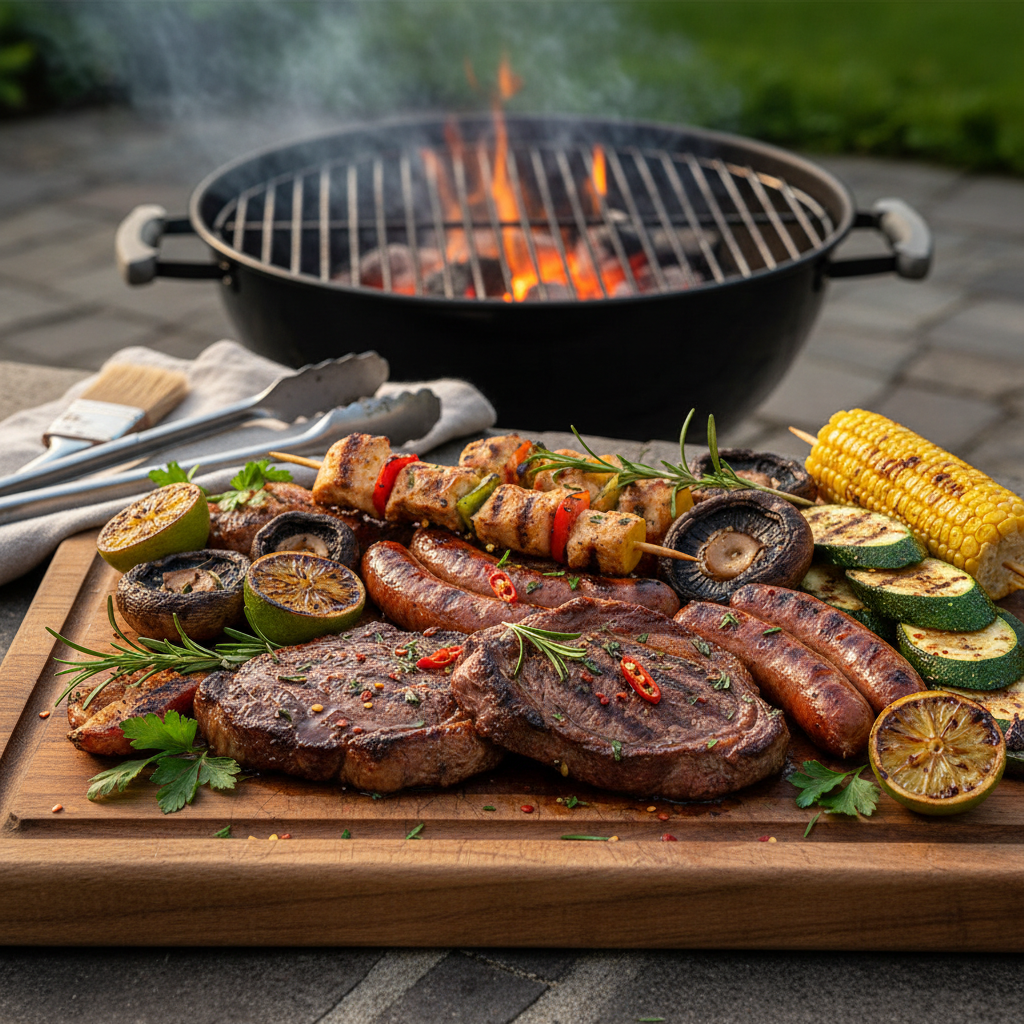
Unlocking the Art of Grilling: Techniques for Juicy, Flavor-Packed Meats and Veggies
Grilling is not just a cooking method; it’s an art form that has captivated food enthusiasts for generations. The smell of meat sizzling over hot coals or the sound of vegetables gently roasting on a grill evoke memories of summer barbecues, family gatherings, and backyard festivities. Mastering the grill brings a sense of accomplishment and joy, allowing home cooks to explore flavors, techniques, and culinary creativity. Whether you’re a novice eager to learn or an experienced griller looking to refine your technique, understanding the nuances of grilling will elevate your dishes and delight your taste buds.
The secret to grilling lies not just in the cooking but in the preparation and understanding of the ingredients. The choice of meat, seasoning, and the fuel you use play significant roles in the final outcome. Essential skills such as controlling temperatures, achieving the perfect sear, and knowing when to flip or move your food are the cornerstones of becoming a grill master. With the right methods and a little practice, you can transform your outdoor grill into a culinary powerhouse that produces tender, juicy, and flavor-packed meats and vegetables.
Grilling also offers incredible versatility, allowing for a wide array of dishes ranging from hearty steaks and succulent chicken to colorful vegetable skewers and even fruit. Each item brings its unique set of challenges and rewards, but intimacy with the grill provides you with the tools to conquer them all. So, let’s delve into the art of grilling by exploring techniques, tips, and secrets that will ensure your next cookout is a culinary triumph.
Understanding Your Grill: Types and Their Uses
Charcoal Grills
Charcoal grills are often cherished for the unique smoky flavor they impart to food. When using a charcoal grill, you have a couple of options: lump charcoal or briquettes. Lump charcoal ignites faster and burns hotter, creating higher temperatures quickly but can burn out faster. Briquettes, on the other hand, are more consistent and typically burn longer, providing stable heat for extended cooking sessions.
When igniting your charcoal, aim for a temperature range of 225°F to 450°F. This is where you will create the best searing experience. You can test the heat of your grill by using the “hand test” method. Hold your hand about six inches above the grill grate:
Tip: Always allow your charcoal to ash over before cooking. The white-gray ash shows that the coal is ready and will create an even cooking surface.
Gas Grills
Gas grills provide convenience and ease, allowing for quick temperature adjustments with just a turn of a knob. They typically feature multiple burners, which allows for a combination of direct and indirect grilling techniques. The main benefit of gas grilling is the quick setup and cleanup, making it ideal for busy weeknights or spontaneous gatherings.
For optimal results, preheat your gas grill for about 10-15 minutes before cooking. Adjust the burners to achieve your desired temperature. A high-heat setting is appropriate for searing meats, while a medium to low setting is perfect for veggies and slow-cooking thicker cuts of meat.
Remember: Invest in a good grill thermometer to ensure your heat levels are accurate.
Electric Grills
Electric grills are a great alternative for those who may not have outdoor space or wish to grill indoors. They are user-friendly and often come with preset temperatures, making them a fantastic choice for beginners. While they don’t provide the classic smoky flavor of charcoal or gas grilling, certain models can achieve outstanding performance with the right technique.
When using an electric grill, preheating is crucial. Allow the grill to heat up for at least 10 minutes, and use the temperature settings to dictate how you cook your food. Though electric grills tend to cook at moderate heat levels, you can still achieve fantastic results by managing your cooking times effectively.
Choosing Your Cooking Surface
Regardless of which grill type you use, the grilling surface matters. You’ll want to consider:
Choosing the right grilling surface will enhance how your food cooks, ensuring uniform heat distribution and preventing sticking.
"The type of grill you choose can dramatically shape the flavors, cooking time, and overall experience of your grilling adventures."
Technique Mastery: Preparing for the Grill
Marinades and Rubs
Proper seasoning is essential in achieving juicy and flavorful meats and veggies. You can elevate your dishes with marinades or dry rubs, each serving different purposes.
#### Marinades
A marinade is a liquid mixture that enhances flavor and tenderizes meat. A basic marinade consists of:
Example Marinade Recipe:
Instructions:
Tip: For tougher cuts of meat, consider marinating overnight for maximum flavor penetration.
#### Dry Rubs
Dry rubs add a flavorful crust to your grill marks. They usually contain a blend of spices such as:
Example Dry Rub Recipe:
Instructions:
The Importance of Temperature
Knowing the right cooking temperature is vital for proper grilling. Use a meat thermometer to check doneness. Here are recommended internal temperatures based on meat type:
When grilling, allow your meat to rest for about 5-10 minutes after cooking to redistribute juices, ensuring a moist end result.
Grilling Techniques: Direct vs. Indirect Heat
Understanding how to use direct and indirect heat is fundamental to mastering the grill.
#### Direct Heat
This method involves placing the food directly over the heat source, perfect for grilling thin cuts of meat and vegetables. Ideal temperatures are approximately 400°F to 450°F. Utilize this technique for:
Tip: When using direct heat, avoid flipping the food too frequently. Let it develop a crust before turning.
#### Indirect Heat
Indirect heat requires placing the food beside the heat source, great for slow-cooking larger cuts. The grill cover acts like an oven, maintaining a consistent temperature of around 300°F to 350°F. This technique is favored for:
Instructions:
"Mastering direct and indirect heat can transform how you approach grilling and can lead to perfectly cooked meat every time."
The Flavors of Wood: Smoking and Infusions
Introducing Smoke
Adding wood chips or chunks to your grill amps up flavor significantly. Understanding various types of wood and their flavor profiles can take your grilling to the next level:
Soaking Wood Chips
To ensure a good smoke, soak wood chips in water for at least 30 minutes before using them on your grill. This prevents them from burning too quickly and allows them to smolder, creating smoke.
Usage Instructions:
Flavor Infusions
Experiment with herb bundles, citrus peels, or even spices tied in cheesecloth for flavor infusions while grilling.
Instructions:
Vegetables on the Grill: A Culinary Adventure
Grilling Techniques for Vegetables
Grilling vegetables can be as satisfying as grilling meats. With adjustments in cooking times and techniques, you can create beautiful grill marks while retaining their natural sweetness.
#### Preparation and Seasoning
Skewering for Succulent Bites
Using skewers for grilling vegetables creates convenient, flavorful bites. To prevent skewers from burning, soak wooden skewers in water for at least 30 minutes.
Skewering Instructions:
#### Indirect Grilling for Delicate Veggies
For delicate vegetables like mushrooms or tomatoes, consider using a grill basket or foil packet to avoid falling through the grates.
Instructions:
"Vegetables can shine just as brilliantly on the grill as their meat counterparts. With the right technique and attention to detail, they become stars in their own right."
Sides and Sauces: Elevating Your Grill Game
Complementary Sides for Grilling
Pairing the right sides with your grilled meats can transform a meal from average to exceptional. Consider these tantalizing options:
Homemade Sauces: Simple and Delicious
Creating sauces can enhance your grilled dishes significantly. Here are two must-try recipes:
#### Chimichurri Sauce
Ingredients:
Instructions:
#### BBQ Sauce
Ingredients:
Instructions:
Perfecting the Grill: Maintenance and Care
Cleaning Your Grill
To keep your grill in excellent condition, regular cleaning is essential. Here’s a step-by-step process:
Seasoning Your Grill
For cast iron grills, seasoning is crucial for non-stick cooking. Here’s how to do it:
Tip: Always check for any gas leaks on gas grills before use.
"Caring for your grill is just as important as grilling itself. A well-maintained grill not only cooks better but also prolongs its lifespan."
Conclusion
Mastering the art of grilling encompasses understanding the science behind cooking methods, temperatures, and flavors, alongside honing practical skills to achieve the best results. Whether you’re grilling meats, vegetables, or exploring new recipes, your journey in the world of grilling can offer creativity and satisfaction. By paying attention to details—from the choice of grill and preparation techniques to maintenance—you create not just meals but memories that linger long after the last bite is taken.
So fire up your grill, embrace the smoke, and enjoy the wonderful world of flavors waiting for you to explore. Through practice and exploration, you’ll not only elevate your culinary skills but will also create a haven for family and friends around the grill, where stories and laughter flow as freely as the delicious food you serve. Happy grilling!

Get the Next Recipe
Weekly recipes, techniques, and gear picks — straight to your inbox.
