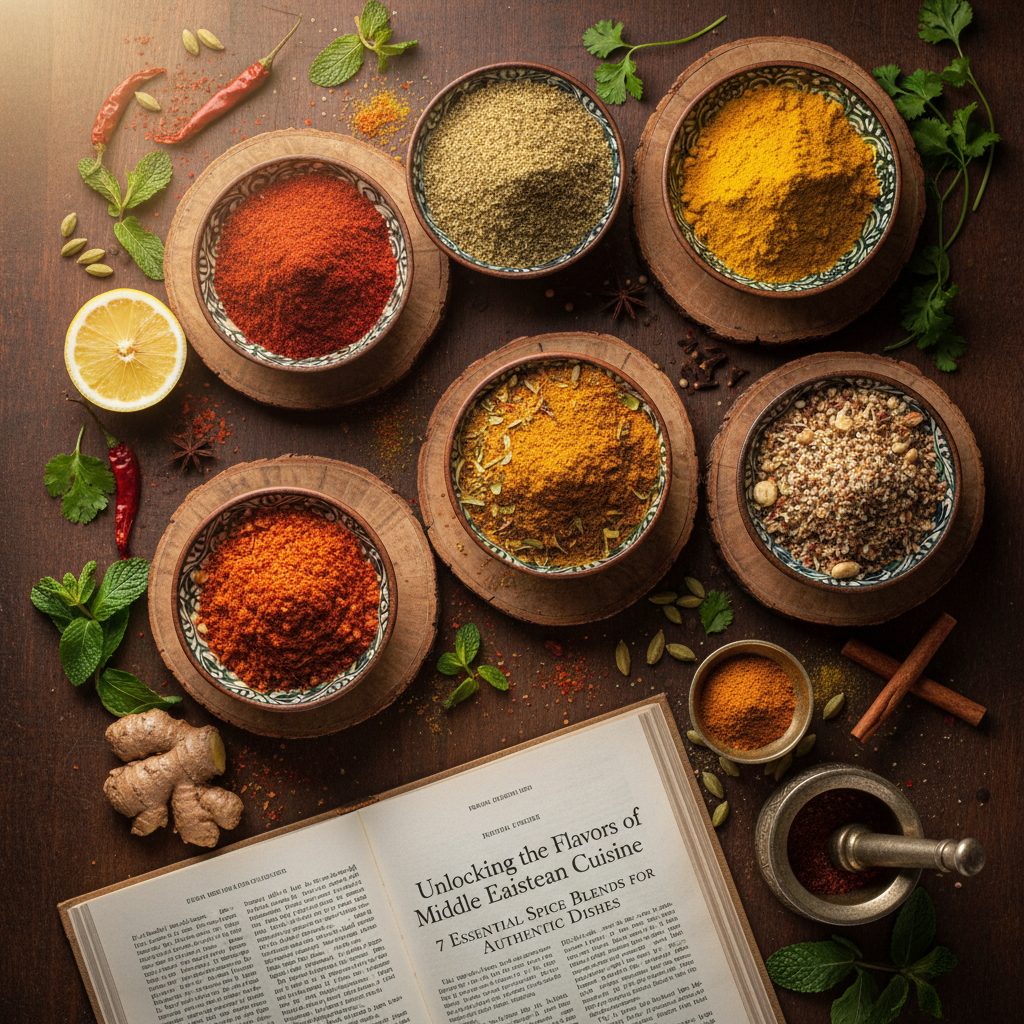
Unlocking the Flavors of Middle Eastern Cuisine: 7 Essential Spice Blends for Authentic Dishes
Middle Eastern cuisine is a vibrant tapestry woven from centuries of history, culture, and geography. As you embark on the journey to experience these rich flavors, the essential element that will elevate your dishes is spices. It's hard not to be charmed by the aroma of fresh herbs and spices mingling in the air, each telling a story of its origins and significance. For home cooks, understanding the nuances of these spice blends not only unlocks the full potential of Middle Eastern dishes but also connects you to the heart and soul of the cuisine.
Cooking is a sensory experience, and Middle Eastern dishes delight the palate with their unique combinations of flavors, textures, and colors. This is largely due to the various spice blends employed in dishes from Morocco to Lebanon. These blends are often proprietary family secrets passed down through generations, encapsulating the essence of what it means to cook authentically. Learning to make them at home not only adds layers of flavor to your meals but also gives you the freedom to adjust the blends to suit your personal taste.
In this blog post, we aim to demystify the art of Middle Eastern spices, guiding you through seven essential spice blends. Each blend serves as a foundation for a wide array of dishes, from the simplicity of a grilled chicken to the complexity of a traditional Moroccan tagine. Whether you're a seasoned home cook or a newcomer to the world of spices, these blends will empower you to create Mediterranean masterpieces in your own kitchen.
1. The Magic of Za'atar
Za'atar is a staple spice blend found in kitchens across the Middle East and is revered for its earthy flavor and versatility. Traditionally made from oregano, thyme, marjoram, and sumac, this aromatic blend often includes sesame seeds for added texture and nutty flavor.
What Makes Za'atar Unique?
Za'atar's unique flavor profile comes from the combination of the herbal notes with the sourness of sumac. Sumac, a tangy, lemony spice, balances the grassy flavors of the herbs. When mixed with olive oil, za'atar transforms into a rich paste that can be slathered on bread, drizzled over salads, or used to season grilled meats and vegetables.
How to Use Za'atar
"Za'atar doesn't just spice up food; it brings a sense of tradition and family heritage to the table."
2. The Warmth of Baharat
Baharat, often referred to as "spice mix" in Arabic, is a robust blend encompassing spices like black pepper, cumin, coriander, paprika, and nutmeg. Each region has its unique variation, but the common thread is its warm, complex flavor profile.
The Versatility of Baharat
Baharat can be used in an array of dishes, from stews to grilled meats. Its warm spices evoke depth and richness, making it ideal for comforting winter meals or lively summer barbecues.
Creating Your Own Baharat
To make approximately 1 cup of Baharat:
Mix all these spices in a bowl, ensuring they are thoroughly combined. Store your Baharat in an airtight container away from direct sunlight.
Using Baharat in Your Cooking
"Baharat is not just a spice mix; it's a gateway to a world of flavor that transforms everyday meals into something extraordinary."
3. Aromatic Dukkah
Dukkah is an Egyptian spice blend and nut mixture that embodies the phrase "two for one." This blend is not only a seasoning but also a delightful dipping mix that can elevate any appetizer.
Understanding Dukkah
Dukkah typically combines toasted nuts (often hazelnuts or pistachios), seeds (such as sesame and coriander), and various spices (cumin and black pepper). Its dual role as a seasoning and a dip makes it incredibly versatile.
Crafting Dukkah
A basic recipe for Dukkah includes:
Culinary Applications of Dukkah
"Dukkah brings an unexpected crunch and nutty flavor that transforms the ordinary into something truly special."
4. The Sweet Heat of Harissa
Harissa is a North African chili paste that delivers a sweet heat, making it a beloved condiment in many kitchens. It is primarily made from roasted chili peppers, garlic, spices, and olive oil, creating an explosion of flavor in every bite.
The Significance of Harissa
Harissa is a symbol of the bold, vibrant cuisine of North Africa, often featured in spicy tagines, grilled meats, and as a flavor enhancer in stews. Its characteristic heat comes from a blend of assorted chili peppers, which can be adjusted based on personal taste — from mildly spicy to fiery hot.
How to Make Your Own Harissa
To make approximately one cup of harissa:
Employing Harissa in Dishes
"Harissa is not just a kick of heat; it's a delightful dance of flavors that exemplifies the spirit of North African cuisine."
5. Fragrant Ras el Hanout
Ras el Hanout, meaning "head of the shop," is a Moroccan spice blend often regarded as the ultimate spice mix, encapsulating the essence of North African flavors. The particular mix varies widely depending on the vendor but typically includes 20 or more spices.
The Complexity of Ras el Hanout
Common ingredients in Ras el Hanout include cinnamon, coriander, cumin, ginger, and sometimes even dried rose petals or saffron. This blend offers a unique, aromatic complexity that is unparalleled.
Crafting Your Own Blend
To create your own Ras el Hanout, consider a simple recipe of:
Mix the spices thoroughly and store in an airtight spice jar.
Utilizing Ras el Hanout
"Ras el Hanout is an ode to the rich and elaborate flavors of Moroccan cooking that will transport you straight to Marrakech."
6. The Zing of Sumac
Sumac offers a bright, tangy flavor that can elevate many dishes, often represented in Middle Eastern salads and grilled meats. Its unique citrus notes make it an excellent substitute for lemon in various recipes.
The Flavor Profile of Sumac
Sumac is derived from the dried berries of the sumac plant, finely ground into a red-purple powder. Its tartness refreshes dishes, providing a delightful contrast to richer ingredients.
Incorporating Sumac in Your Cooking
Sumac can be used in various ways:
Sumac Recipes
"Sumac is a secret weapon for brightening up flavors, offering a zing that is both refreshing and memorable."
7. The Earthy Flavor of Turmeric
While turmeric is not unique to Middle Eastern cuisine, its warm, earthy notes are frequently integrated into various dishes. It is celebrated for both its flavor and health benefits, often used in rice dishes and curries.
Why Turmeric?
Turmeric is well-known for its health properties, particularly its anti-inflammatory benefits, making it a favored ingredient in wellness-focused recipes. Its depth adds color and warmth to any meal, enriching your culinary palette.
How to Use Turmeric
Popular Turmeric Recipes
"Turmeric's golden hue not only beautifies your dishes but also lets you tap into centuries of ancient culinary wisdom."
Final Thoughts
Exploring Middle Eastern cuisine is not just a culinary endeavor; it is a journey through history, culture, and the art of flavor. The essential spice blends we’ve discussed are the key to unlocking this vibrant world, allowing you to create authentic dishes in your home kitchen.
Embracing these blends will help you transform simple ingredients into unforgettable meals, from za'atar sprinkled over warm bread to the rich, complex flavors of a tagine simmered to perfection.
As you start crafting your blends and experimenting with new flavors, remember that learning to cook — especially with spices — is an art and a skill best honed over time. Don’t be afraid to adjust a recipe to suit your tastes, as this is where the magic happens. Cooking is about making it your own, embracing your creativity, and bringing joy to your table. Let these spices ignite your passion for cooking and inspire you to share your culinary creations with family and friends.
Get the Next Recipe
Weekly recipes, techniques, and gear picks — straight to your inbox.
