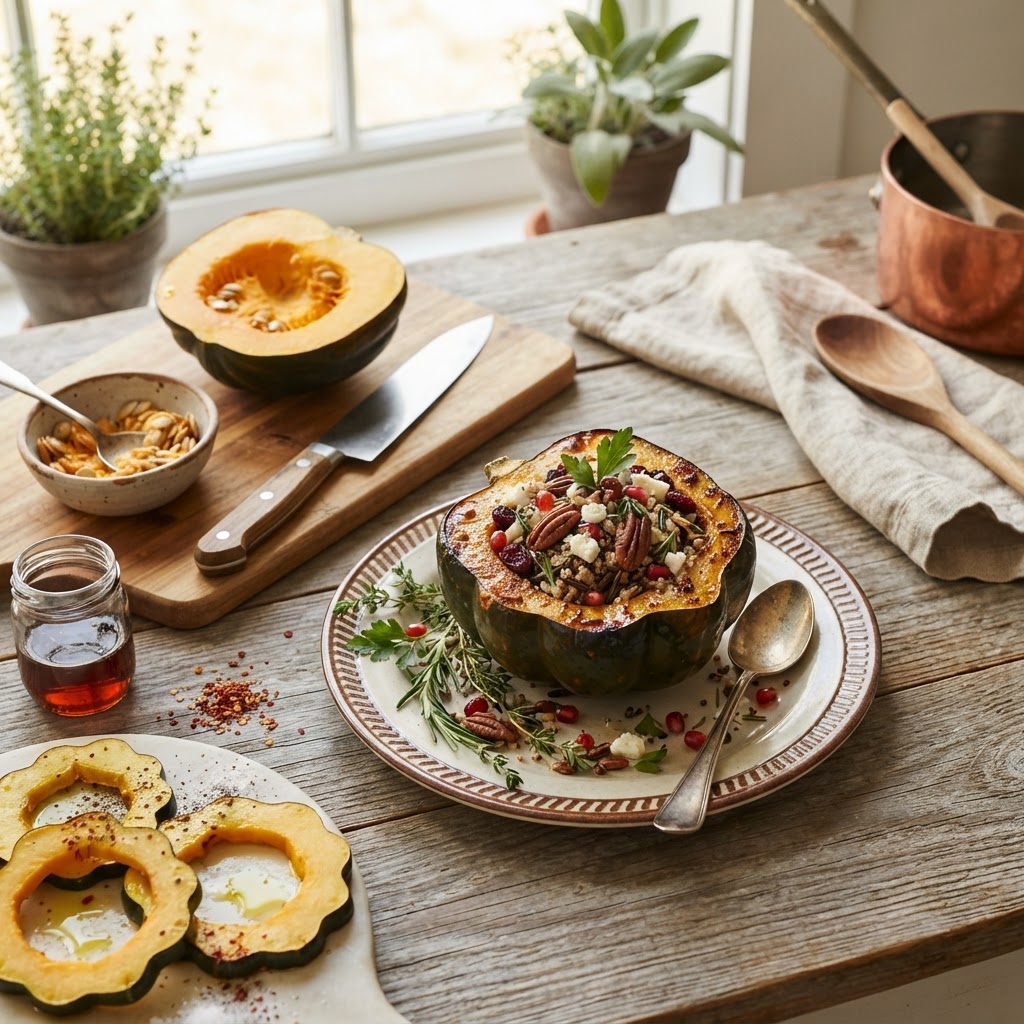
Unlocking the Hidden Potential of Acorn Squash: Unique Ways to Cook and Enjoy This Seasonal Gem
Acorn squash is often overshadowed by its more popular counterparts like butternut or spaghetti squash, yet it holds a unique appeal that’s well worth exploring. This seasonal gem, with its rich, nutty flavor and characteristic green and orange rind, is as versatile as it is delicious. Acorn squash not only provides a wonderful addition to your autumn plates but also brings a wealth of nutritional benefits, making it an intelligent choice for both flavor and health. As we dive deeper into this underappreciated ingredient, we're not just cooking; we're celebrating the hidden virtues of acorn squash.
When you think of fall produce, images of pumpkins, apples, and leaf piles may come to mind, yet acorn squash should have a prominent place among these seasonal stars. Once you open one of these delightful fruits, you’ll be greeted with a gorgeous golden-orange hue that promises the sweetness and warmth of fall. The texture is tender and creamy when cooked, making it an excellent base for various dishes or a flavorful side on its own. By unlocking the hidden potential of acorn squash, you'll discover numerous culinary possibilities that elevate both your dishes and your cooking repertoire.
In addition to its unique flavor and texture, acorn squash is rich in vitamins A and C, and its high fiber content promotes digestive health. Incorporating acorn squash into your cooking doesn't require extensive experience; instead, it invites creativity. From roasting and stuffing to pureeing and mashing, there’s so much one can do with this beautiful ingredient. Let's explore how you can make the most of acorn squash this season with some innovative cooking methods and recipes.
Choosing the Right Acorn Squash
When shopping for acorn squash, the first step is to understand what to look for. Choosing a high-quality squash not only influences the taste but also the convenience when cooking. Here are some key factors to consider when selecting the perfect acorn squash:
Appearance and Skin
Look for a firm, smooth skin that has a vibrant green color, often showing streaks of orange or yellow. A squash with dull skin or soft spots may be past its prime. While imperfections in the skin can sometimes be overlooked, they should not be extensive. A heavy squash relative to its size indicates a good amount of flesh inside.
Size Matters
Acorn squash generally varies in size, ranging from small (about 1 pound) to large (up to 3 pounds). While size is a matter of preference, smaller squashes tend to be sweeter and less fibrous. If you’re trying acorn squash for the first time or cooking for a few people, start with the smaller ones to avoid overwhelming flavors.
Seasonal Considerations
Acorn squash is usually available from late summer through early winter, peaking in fall. Choosing squash in season ensures you're getting the freshest and tastiest fruit. Always consider sourcing from local farmers' markets to support your community and get the best produce available.
“The best acorn squash should feel heavy and have a vibrant skin, promising a treasure trove of sweetness inside.”
Preparing Acorn Squash
Once you’ve selected your acorn squash, the preparation is crucial to maximizing its flavor and texture. Here are some essential steps for preparing acorn squash for cooking:
Washing the Squash
Before cutting into the squash, it’s important to wash it thoroughly under cold running water. Use a scrub brush if necessary to remove any dirt. This step prevents any contaminants from entering the flesh when you cut it.
Cutting Techniques
When it comes to cutting acorn squash, there are a few techniques that can help preserve its flavor while making it easier to cook:
- Place the squash firmly on a cutting board.
- Use a sharp chef’s knife and carefully slice from stem to bottom, halving the squash.
- If the squash is particularly hard, you can microwave it for about 30 seconds to soften it slightly before cutting.
- After halving the squash, scoop out the seeds and stringy parts with a spoon.
- You can slice the halves into wedges for roasting or soup preparation, depending on your intended dish.
- For casseroles or stews, you might want to peel the squash and cut it into bite-sized cubes. Use a vegetable peeler to remove the skin, then proceed to cube the flesh.
Cooking Techniques
Acorn squash is incredibly versatile; you can roast, steam, sauté, stuff, or even puree it. The cooking method you choose depends on how you plan to serve it:
“Cooking acorn squash can be as simple or as elaborate as you desire; its flavors pair beautifully with both sweet and savory ingredients.”
Sweet and Savory Acorn Squash Dishes
After understanding how to cook acorn squash, it's time to embark on the exciting journey of preparing unique dishes that highlight its flavor profile. Below are several recipes that embrace both the sweet and savory aspects of acorn squash.
Sweet Acorn Squash Recipes
Maple Glazed Acorn Squash
This is a warm, comforting dish perfect for fall.
Ingredients:
Instructions:
Cinnamon-Spiced Acorn Squash Soup
A velvety soup that’s layered with flavors and perfect as a starter or main dish.
Ingredients:
Instructions:
Savory Acorn Squash Recipes
Stuffed Acorn Squash with Quinoa and Cranberries
A nutritious dish that’s visually stunning and bursting with flavor.
Ingredients:
Instructions:
Acorn Squash and Sausage Hash
A hearty dish that serves well for breakfast or brunch.
Ingredients:
Instructions:
“Acorn squash is a splendid canvas for both sweet and savory creations, each bite offering a testament to its adaptability.”
Storage and Reheating Tips
Knowing how to properly store and reheat your acorn squash dishes can be just as important as the cooking itself. The right storage methods help preserve the flavor and texture, allowing you to enjoy your creations days later.
Storing Raw Acorn Squash
If you have leftover raw acorn squash, store it in a cool, dry place for up to a month. Once cut, wrap the pieces tightly in plastic wrap or place them in an airtight container in the refrigerator, where they will remain fresh for about 5–7 days.
Storing Cooked Dishes
For cooked acorn squash dishes, allow them to cool to room temperature before transferring to an airtight container. Most cooked dishes can be stored in the refrigerator for 3–5 days.
Freezing Acorn Squash
If you want to prolong the life of your acorn squash dishes, consider freezing them. Follow these steps for optimal results:
Frozen cooked acorn squash can last for 2-3 months. When you’re ready to eat, thaw overnight in the refrigerator, then reheat in an oven at 350°F (175°C) until heated through.
Pairing Acorn Squash with Other Ingredients
One of the joys of cooking is discovering flavor pairings that elevate a dish to new heights. Acorn squash's subtle sweetness and nutty undertones make it a perfect companion for a wide array of ingredients. Here are some fantastic pairings to consider for your acorn squash dishes.
Herbs and Spices
Acorn squash can be seasoned with numerous herbs and spices, including:
Nuts and Seeds
Crunchy-textured elements can add contrast to the creamy flesh of acorn squash. Consider incorporating:
Cheeses
Adding cheese introduces depth and richness to your acorn squash dishes. Try pairing with:
Organizing a Seasonal Dinner Featuring Acorn Squash
Now that you have an arsenal of recipes and pairings, consider hosting a seasonal dinner centered around acorn squash. This is a wonderful way to impress your guests and play with flavors. Here’s how to get started on planning your lovely fall dinner.
Menu Planning
When planning your dinner menu, create a balance of flavors and textures. A sample menu could include:
Timing is Key
Schedule your dinner for a relaxing experience by preparing ahead of time. Here’s a timeline to help you stay organized:
Setting the Atmosphere
Set the scene to reflect the beauty of fall. Decorate the table with small pumpkins, nuts, and seasonal flowers. Use warm candles and soft fabrics to create an inviting atmosphere.
Incorporating rustic dinnerware and fall-inspired napkins will heighten the experience. Don’t forget to enjoy some seasonal beverages such as hot cider or mulled wine to complete the dining experience.
Conclusion
Acorn squash is a phenomenal ingredient that brings both richness and depth to autumn meals. Its unique characteristics allow for a multitude of cooking techniques, from roasting and stuffing to pureeing and beyond. By thoughtfully selecting, preparing, and pairing your acorn squash, you can create dishes that are not only delicious but also highlight its appeal as a seasonal gem.
As you embark on your cooking journey with acorn squash, remember that the kitchen is a place for exploration and creativity. Don’t hesitate to try new flavors, play with textures, and elevate both simple and complex recipes. By unlocking the hidden potential of acorn squash, you're not just cooking; you’re crafting culinary experiences that celebrate the beauty of fall. Your guests will undoubtedly be enchanted, and you may just find that acorn squash becomes a treasured staple in your kitchen for seasons to come.


Get the Next Recipe
Weekly recipes, techniques, and gear picks — straight to your inbox.
