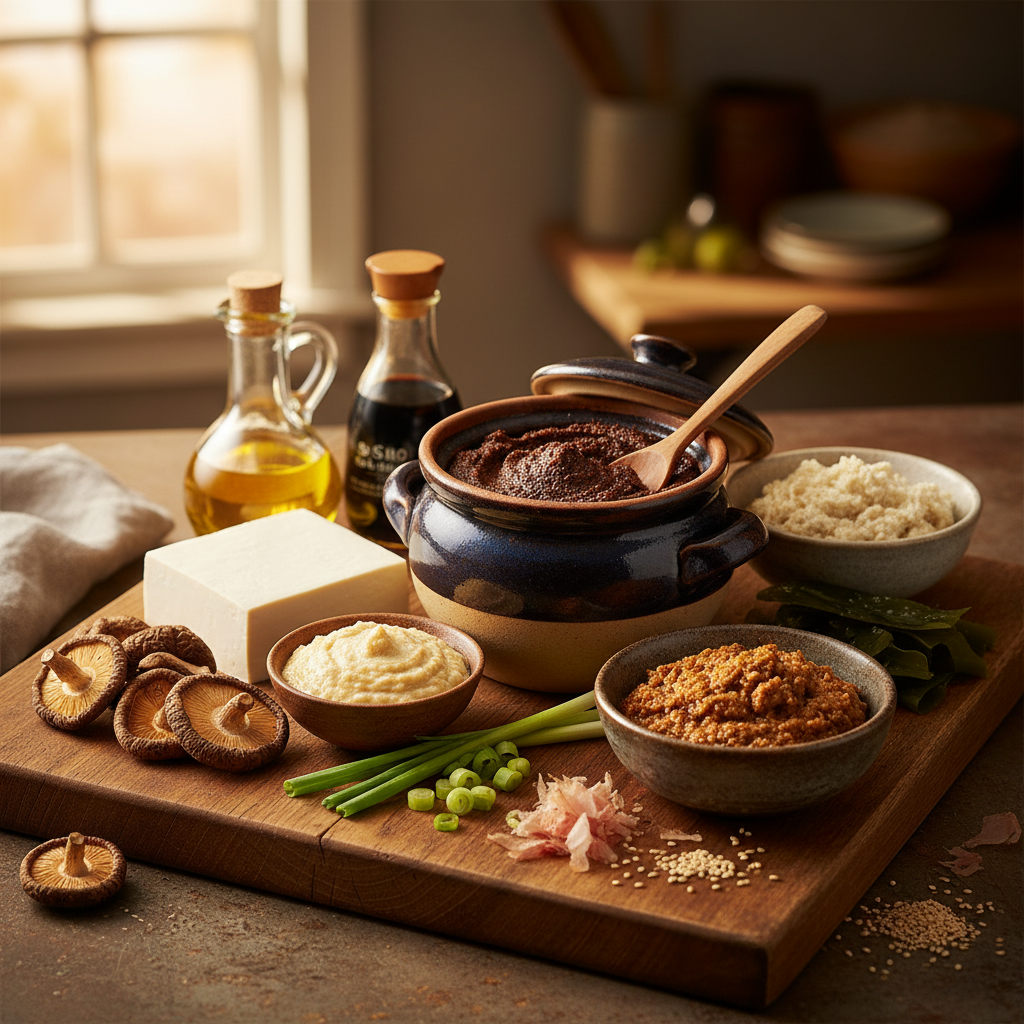
Unlocking the Power of Miso: A Guide to Cooking with This Umami-Rich Ingredient
Miso, a traditional Japanese seasoning made from fermented soybeans, has recently found its way into kitchens around the globe, elevating dishes with its complex umami flavor. This versatile ingredient offers a rich, savory taste that can enhance both comforting home-cooked meals and exquisite gourmet creations. Once considered a specialty item confined to Japanese cuisine, miso now commands a starring role in diverse culinary landscapes. Home cooks and professional chefs alike have embraced this fermented powerhouse for its health benefits and distinct flavor profile.
At its core, miso is the result of a fermentation process involving soybeans, salt, and a fermenting agent known as koji. The fermentation not only extends the shelf life of the soybeans but also creates a symphony of flavors that range from sweet and nutty to salty and earthy. Miso’s versatility is astounding; it can be used in a myriad of applications—sauces, dressings, marinades, soups, and even desserts. This article aims to demystify miso, providing you with insights into its different varieties, culinary uses, and tips on how to incorporate it into your cooking repertoire effectively.
While miso might seem daunting at first glance, its application can be simple and rewarding for those willing to explore its depths. With the right knowledge and techniques, you can transform ordinary dishes into extraordinary culinary experiences. Whether you're looking to elevate a humble bowl of noodles or create a sophisticated glaze for your next protein, this guide will serve as your comprehensive resource on all things miso. Let’s dive into the rich world of miso and unlock its potential together.
Understanding Miso: Varieties and Flavor Profiles
Miso is not a one-size-fits-all ingredient; rather, it encompasses a range of flavors and characteristics based on its ingredients, fermentation duration, and production methods. The most common varieties of miso include:
**1. White Miso (Shiro Miso)**
White miso offers a slightly sweet and mild flavor, making it a favorite for beginners. It's made with a higher ratio of rice koji to soybeans, resulting in a lighter color and taste.
**2. Yellow Miso (Shinshu Miso)**
Yellow miso falls in between white and red miso in terms of flavor intensity. It has a balanced taste, characterized by a mild sweetness and a slight bitterness.
**3. Red Miso (Aka Miso)**
Red miso is fermented longer than its white counterpart, resulting in a rich, robust flavor. It has a higher soy content, giving it a deeper color and saltier taste.
**4. Barley Miso (Mugi Miso)**
Barley miso is made from barley koji and soybeans, yielding a unique flavor profile that combines the earthiness of barley with the richness of soy.
Flavor Profile Spectrum
“Understanding the various types of miso is crucial to unlocking its potential in your kitchen. Choose wisely based on the flavor profile you wish to achieve.”
The Health Benefits of Miso
Beyond its flavor, miso is a nutrient-dense ingredient that can contribute positively to your diet. It packs a punch with its unique health properties:
Nutritional Content
Miso is rich in essential nutrients, including:
Supporting Gut Health
The beneficial bacteria found in miso help maintain a healthy digestive system. Incorporating miso into your diet can promote a balanced gut microbiome, potentially leading to improved digestion and nutrient absorption.
Immunity Boosting Properties
The antioxidants and vitamins present in miso can support your immune system. The fermentation process also produces bioactive compounds that may help combat inflammation, aiding in overall health.
“Miso is more than just a flavor enhancer; it’s a powerhouse of nutrition that supports your health in various ways.”
Essential Techniques for Cooking with Miso
Cooking with miso might seem intimidating at first, but mastering a few essential techniques will allow you to harness its full potential without any apprehension. Here are some key methods to consider:
**1. Miso Broth**
Creating a miso broth is an excellent way to start incorporating miso into your cooking. Here's how to do it:
- 4 cups of water
- 1/4 cup miso (white or yellow)
- Optional: Kombu (dried seaweed), shiitake mushrooms, or scallions for added flavor.
- In a pot, bring the water to a gentle simmer.
- If using kombu, add it to the water and let it steep for about 20 minutes, then remove it.
- Dissolve the miso in a small bowl with a ladleful of hot broth, then stir this mixture back into the pot.
- Add any additional ingredients, such as mushrooms or scallions, and allow the flavors to meld for a few minutes.
This broth serves as a base for soups, noodle dishes, or can be enjoyed on its own.
**2. Miso Marinades**
Miso adds depth and flavor to marinades, allowing proteins to absorb delicious notes and enhancing their overall taste.
- 1/4 cup miso (red or yellow)
- 2 tablespoons soy sauce
- 2 tablespoons mirin (or a sweet rice wine)
- Whisk the ingredients together until smooth.
- Coat proteins such as chicken, tofu, or fish with the marinade and let it rest in the refrigerator for at least 30 minutes or up to overnight for maximum flavor infusion.
**3. Miso Glaze**
Creating a miso glaze elevates simple dishes to gourmet status with minimal effort. A common glaze recipe consists of:
Instructions:
**4. Miso Soups and Stews**
Miso can transform ordinary soups and stews by adding a layer of richness and depth.
Cooking Temperatures and Tips
“Miso is incredibly versatile—don’t hesitate to experiment with the ingredient to find unique pairings that work for you!”
Miso in Global Cuisine
While miso is foundational in Japanese cooking, its unique flavors and characteristics have prompted chefs and home cooks worldwide to incorporate miso into various dishes, transcending traditional culinary boundaries.
**1. Miso in Western Cooking**
The savory profile of miso makes it an attractive ingredient for European dishes:
**2. Miso Desserts**
Yes, you read that right! Miso can bring an unexpected yet delightful twist to desserts:
**3. Miso in Asian Fusion Dishes**
Chefs have utilized miso as a base for innovative fusion dishes:
Practical Tips for Using Miso
Incorporating miso into your cooking can be both delightful and simple. Keep these practical tips in mind as you explore this amazing ingredient:
**1. Storage and Shelf Life**
Miso can last a long time when stored properly:
**2. Pairing with Other Ingredients**
Miso pairs well with a variety of flavors, amplifying their profiles. Consider these pairings:
**3. Miso-based Sauces**
Make your own sauces using miso for quick and easy flavor boosters. Consider:
"With a little creativity, miso can elevate your dishes in ways you never thought possible!"
Conclusion
The world of miso offers a rich tapestry of flavors, history, and health benefits that can truly elevate your cooking experience. As you explore its various types and applications, you'll unlock not only the depth of its flavor but also the unique cultural heritage that defines this traditional ingredient. Whether you're making comforting miso soup, experimenting with miso marinades, or daring to create miso-infused desserts, the versatility of miso knows no bounds.
As you delve deeper into cooking with miso, remember that it is not just an ingredient—it is a conduit for creativity and exploration in your kitchen. Armed with the knowledge you've gained from this guide, you can confidently experiment and transform your meals with the unique umami richness of miso. Each dish you create can become a delightful balance of flavors and textures, inviting your taste buds on a delicious journey.
So grab a jar of miso, unleash your culinary imagination, and elevate your home cooking to new heights. Whether you're a novice cook or an experienced chef, miso is an ingredient that promises to inspire and surprise. Embrace its potential, and let miso be your guide in the gastronomic landscape ahead!


Get the Next Recipe
Weekly recipes, techniques, and gear picks — straight to your inbox.
