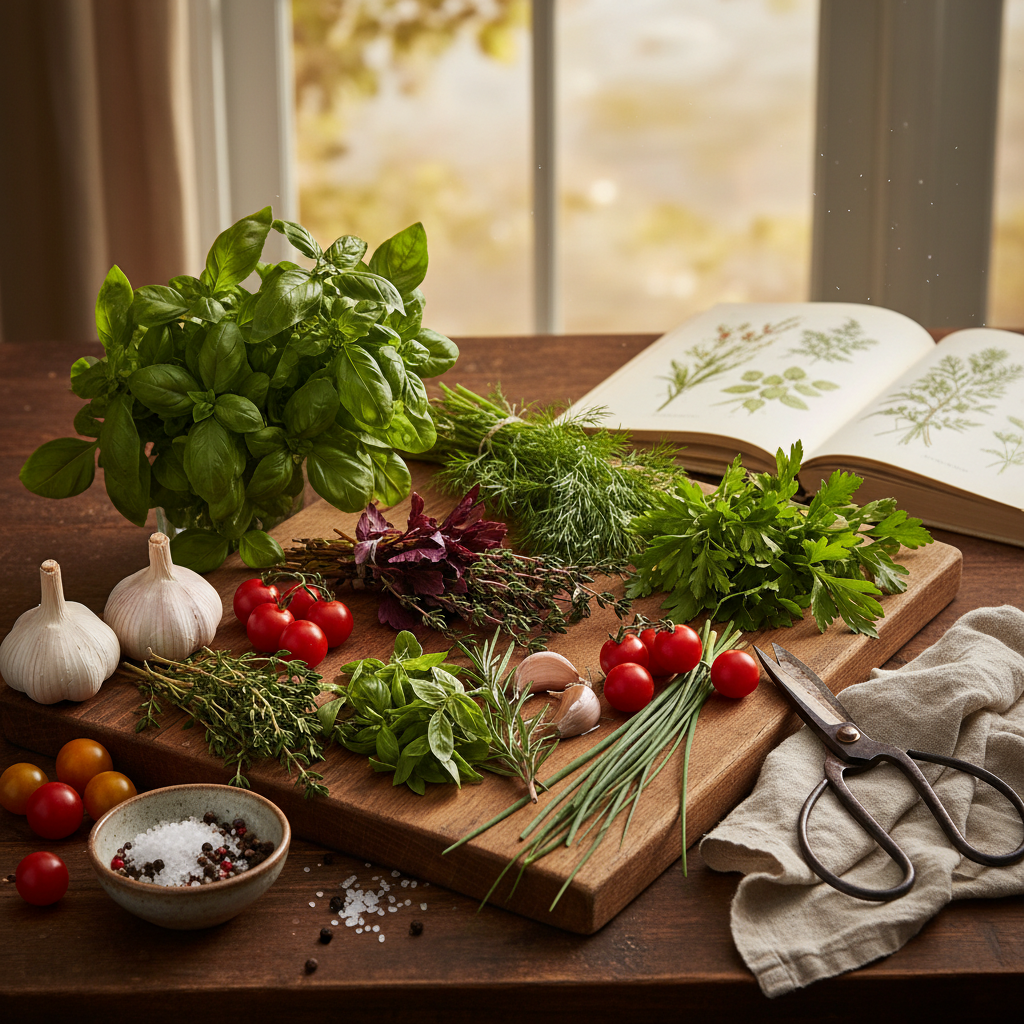
Unlocking the Secrets of Seasonal Herbs: How to Choose, Store, and Cook with Fresh Flavors
The culinary world is awash with vibrant flavors and aromas, and few elements pack as much punch as seasonal herbs. Aptly described as the champions of fresh cooking, herbs possess the remarkable ability to transform even the simplest dish into a gourmet experience. From the minute you begin chopping basil for a classic pesto to the moment you sprinkle fresh dill over your grilled salmon, it becomes evident that herbs are not merely an afterthought; they are game-changers in the kitchen. However, with such diversity in choices and uses, many home cooks often feel overwhelmed when it comes to selecting, storing, and cooking with herbs. This guide is designed to demystify the process, empowering you to harness the full potential of seasonal herbs.
Imagine walking through a farmer's market, greeted by the vivid colors and intoxicating scents of freshly harvested herbs. Basil, cilantro, thyme, and rosemary beckon to be part of your next culinary adventure. Each herb has its unique flavor profile and optimal season, which allows for remarkable creativity in any dish. But understanding how to choose the right herb for a recipe, how to store it properly to maintain its freshness, and how to perfectly incorporate it into your cooking can elevate your skills from amateur to expert. This is not just about enhancing taste; it's about creating a harmonious balance that celebrates the essence of seasonal cooking.
To successfully incorporate herbs into your cooking, you need a strategic approach. Knowing when to rely on fresh herbs and when to opt for dried versions can significantly impact the outcome of your dishes. The process of chopping and preparing these magical green ingredients is an art in itself, requiring a certain finesse to release the full spectrum of their flavors. Let’s delve into the techniques, tips, and wisdom accumulated by chefs and home cooks alike to enable you to make the most out of seasonal herbs.
Understanding Seasonal Herbs
The Essence of Seasonality
Using herbs seasonally means choosing those that are at their peak in flavor and aroma. Each herb has its specific growing season, influenced by the climate and geography, which dictates when it's at its freshest. For example, basil shines brightest in summer, while sage tends to be more robust in the fall. Here’s why this matters:
Be sure to consult local produce calendars to find out when specific herbs are at their peak. You may be surprised by how much flavor and vibrancy seasonal herbs can add to your dishes!
Choosing the Right Herbs
#### Culinary Applications of Fresh Herbs
Choosing the right herbs for your dish is akin to selecting the perfect pair of shoes for a special outfit. Different herbs complement various cuisines and ingredients, enhancing the overall dining experience:
Being mindful of regional pairings allows you to invent inspired flavor combinations no matter what type of cuisine you're preparing. Here are some tips for selecting the best herbs:
Common Seasonal Herbs to Explore
Expanding your repertoire of herbs can reinvigorate your cooking. Here are some commonly available seasonal herbs to keep an eye on:
Utilizing a variety of seasonal herbs will not only enhance flavors but will also encourage greater creativity in your home cooking.
Storing Fresh Herbs
Perfect Conditions for Longevity
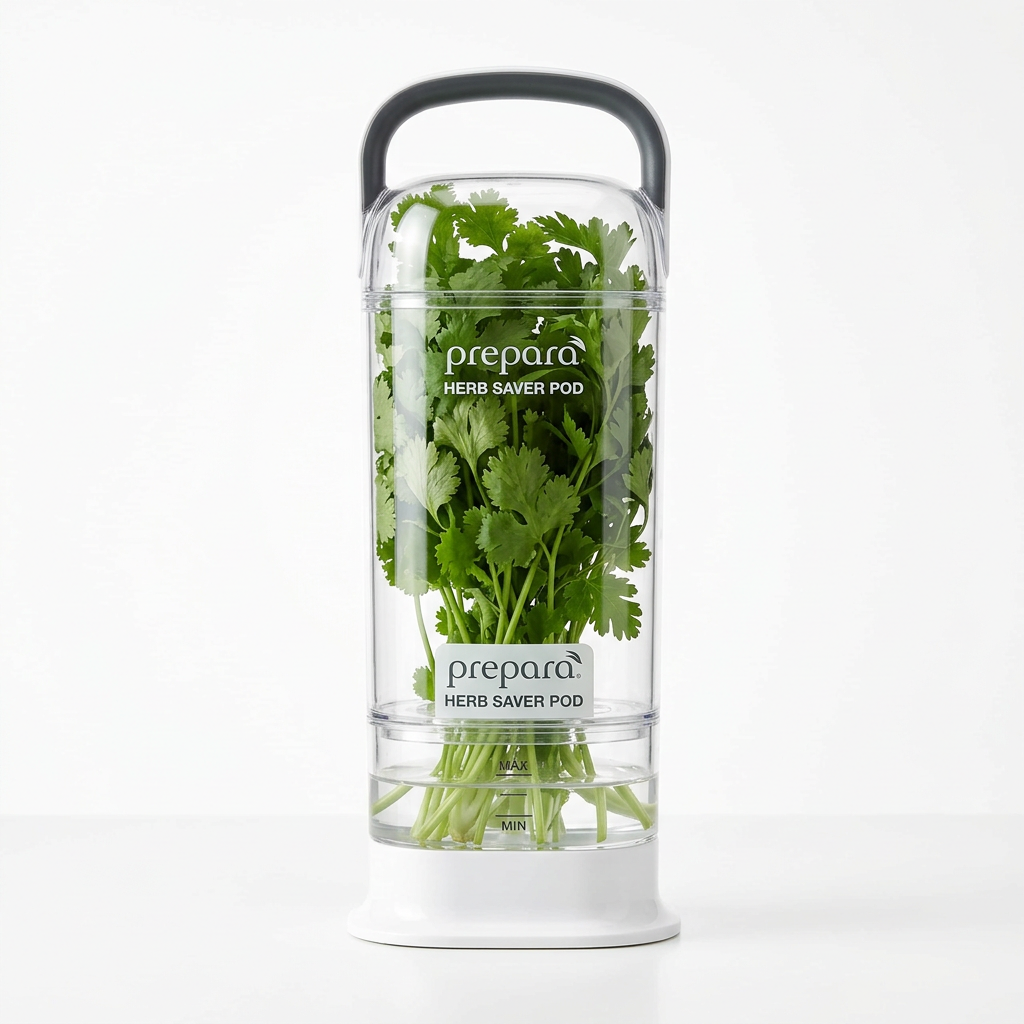
While fresh herbs are delicate, a little TLC can extend their life significantly. Proper storage is key to preserving their flavor and nutritional properties. Here are some effective ways to store herbs:
- Ideal Temperature: Store them in a warm area, but keep them out of direct sunlight.
- Change Water: Refresh the water every few days.
- Storage Tip: Ensure the bag is not too tight; allowing some air circulation will prevent moisture buildup leading to sogginess.
Freezing Herbs
When you have an abundance of fresh herbs, freezing can be an excellent option for long-term storage. Here’s how to do it:
“Preserving herbs is just as important as using them; it allows you to savor the taste of each season year-round.”
When to Use Fresh vs. Dried Herbs
Understanding when to use fresh herbs versus dried herbs is essential in culinary mastery. Here’s a helpful guideline:
Herb Lifespan
Knowing the shelf life can help you manage your herbs effectively. Here’s a quick reference guide:
Keeping track of your herbs’ lifespan will help avoid waste and ensure you’re always using the freshest ingredients.
Cooking with Fresh Herbs
Techniques for Incorporation
Cooking with fresh herbs can enhance your dishes in numerous ways. Here are several essential techniques:
#### Chopping and Mincing
Properly preparing herbs can make a significant difference in their impact on a dish. Ensure your knife is sharp for a cleaner cut. The general rule of thumb is:
#### Infusing Flavors
Herbs can be incorporated into oils, vinegars, or broths to create aromatic and flavorful bases. Here’s how to do it:
Pairing Herbs with Specific Ingredients
The right herbs can complement specific ingredients beautifully. Assessing pairings can ignite a culinary spark in your cooking:
Flavor Balance
Incorporating herbs into your recipes is not just about adding their flavor; it's about achieving a balance. Too little, and the dish may lack vibrancy; too much, and the flavor can become overpowering. Here's how to navigate this balance:
Temperature and Cooking Times
The temperature at which you cook fresh herbs can affect their flavor. Here are some guidelines:
“The secret to cooking with herbs is to respect their nature; they’re expressive and exuberant when treated well.”
Popular Recipes Featuring Seasonal Herbs
Basil-Lemon Pesto
Basil is the star of one of the most beloved sauces. Making your own pesto is straightforward, providing you a rich, versatile sauce to use throughout the summer.
- 2 cups fresh basil leaves, packed
- 1/2 cup grated Parmesan cheese
- 1/2 cup extra virgin olive oil
- 1/3 cup pine nuts
- 2 cloves garlic
- Salt and pepper to taste
- Combine basil, garlic, and pine nuts in a food processor and pulse until finely chopped.
- Add cheese and pulse again while slowly drizzling in olive oil.
- Season with salt and pepper to taste.
The versatility of this sauce allows it to flourish in pasta, sandwiches, or as a drizzle over grilled vegetables.
Cilantro Lime Rice
Cilantro can brighten up simple side dishes. Pair it with lime for a zesty accompaniment to any grilled protein.
- 1 cup long-grain white rice
- 2 cups water
- Juice of 1 lime
- Zest of 1 lime
- 1/2 cup fresh cilantro, chopped
- Salt to taste
- Cook rice with water according to package instructions until tender.
- Once cooked, fluff rice and add lime juice, zest, and cilantro.
- Stir gently to combine and season with salt.
Thyme and Lemon Roasted Chicken
This recipe brings the comforting flavors of thyme into a classic roasted chicken dish, ensuring juicy meat infused with fragrant herbs.
- 1 whole chicken (3-4 lbs)
- 4 sprigs fresh thyme
- 1 lemon, halved
- 4 cloves garlic, smashed
- Salt and pepper to taste
- Olive oil
- Preheat your oven to 425°F (220°C).
- Rub the chicken with olive oil and season generously with salt and pepper.
- Place thyme, lemon, and garlic inside the cavity of the chicken.
- Roast for 1 to 1.5 hours, or until the internal temperature reaches 165°F (75°C).
Rosemary Sweet Potato Mash
Sweet potatoes and rosemary are a match made in heaven. The perfume of rosemary brings an earthy, aromatic quality to this side dish.
- 2 lbs sweet potatoes, peeled and cubed
- 1/4 cup cream or milk
- 2 tablespoons butter
- 2 tablespoons fresh rosemary, chopped
- Salt and pepper
- Boil sweet potatoes in salted water until tender, about 20 minutes.
- Drain and return to pot. Add cream, butter, and rosemary, and mash until smooth.
- Season with salt and pepper to taste.
Conclusion
Harnessing the brilliance of seasonal herbs can transform your home cooking from mundane to extraordinary, imbuing your dishes with fresh, vibrant flavors and enticing aromas that celebrate each season's bounty. Understanding how to choose, store, and prepare these culinary treasures is crucial for any home chef seeking to elevate their skills.
Don't shy away from experimenting with new herbs or flavors, and let your palate guide you to creative pairings. Your confidence will grow as you embrace the versatility that herbs offer, enriching your cooking experience. Armed with this knowledge, you're well on your way to unlocking the full potential of your culinary journey.
Take this knowledge to your kitchen, explore the nuances of seasonal herbs, and enjoy the rewarding experience of creating sensational dishes that not only taste good but also nourish the soul. Let the beauty of herbs guide your culinary endeavors, and soon enough, you’ll find that every meal is a celebration of flavor, creativity, and love.
Total words: 2,069
Get the Next Recipe
Weekly recipes, techniques, and gear picks — straight to your inbox.
