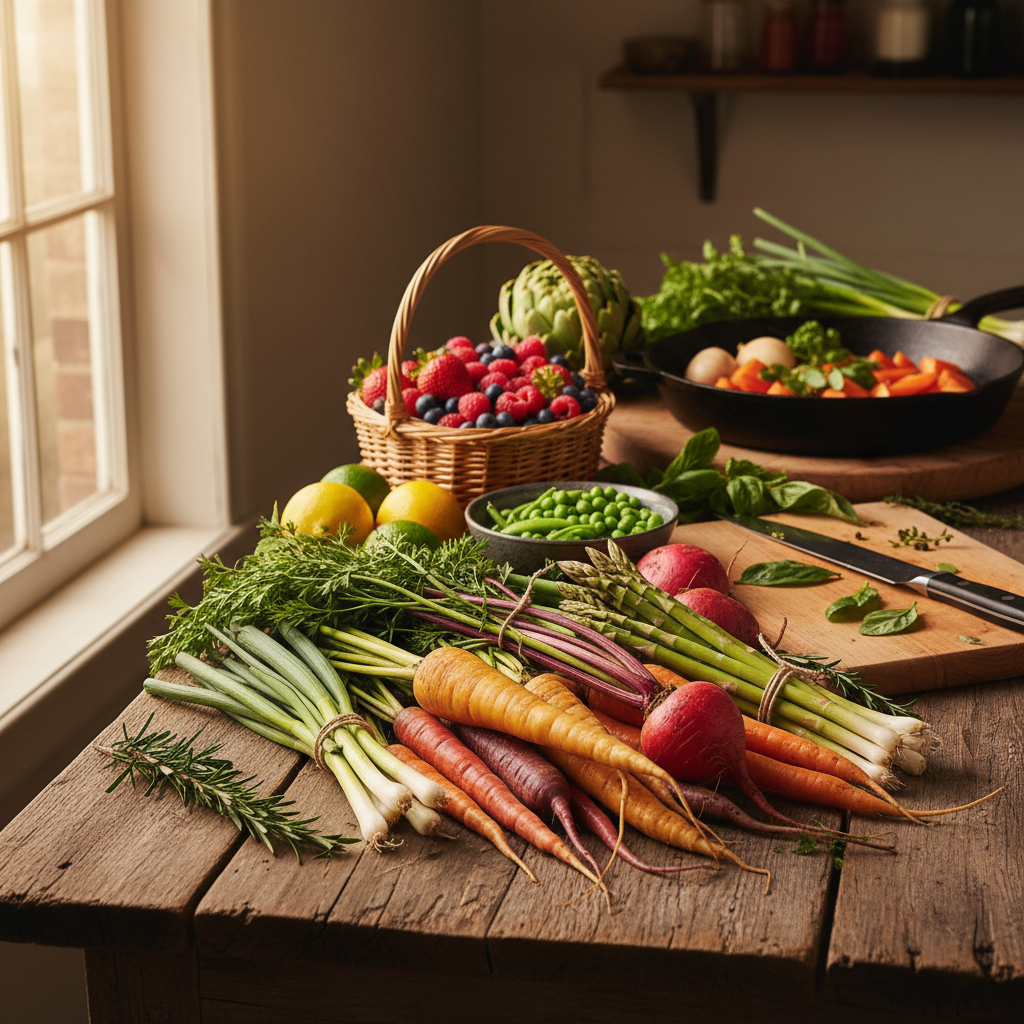
Unlocking the Secrets of Seasonal Produce: A Home Cook's Guide to Flavorful Ingredients
Unlocking the secrets of seasonal produce is like embarking on a culinary treasure hunt, where the prize is an abundance of flavor, freshness, and nutrition. Each season brings forth an array of fruits and vegetables, ripe for the picking, and understanding their optimal uses can transform your cooking from mundane to extraordinary. As a home cook, embracing the rhythm of the seasons not only enhances your dishes but also offers you a sustainable approach to cooking and eating. In a world where convenience often trumps quality, taking a step back to appreciate what nature has to offer can redefine your kitchen experience.
When you choose ingredients that are in season, you are selecting produce at its peak ripeness, which means superior taste and texture. The vibrant hues of summer tomatoes, the crisp bite of autumn apples, or the earthy richness of winter squash each tell a story, speaking to the time of year and the local earth from which they came. By focusing on seasonal selections, you’re not just making a healthy choice; you’re also supporting local farmers, reducing your carbon footprint, and stimulating your creativity in the kitchen. Moreover, seasonal cooking can help you develop a stronger relationship with your ingredients, encouraging you to explore new recipes and techniques.
Understanding the cycles of nature and how to use the bounty it provides is essential for any budding home chef. In this guide, we will explore the benefits and principles of cooking with seasonal produce, seasonal staples across all four seasons, storage and preparation tips, and creative recipe ideas that put these ingredients front and center. By the end of this journey, you will be equipped not just with knowledge but also with a newfound excitement for cooking seasonally.
The Benefits of Using Seasonal Produce
Cooking with seasonal produce offers a myriad of advantages, both in terms of flavor and environmental impact. First and foremost, seasonal fruits and vegetables are often more flavorful than their out-of-season counterparts. They’re usually harvested at their peak ripeness, which enhances their natural sweetness and complexity. This means that when you bite into a summer peach or an autumn apple, you're enjoying a flavor profile that cannot be replicated by those that have been shipped from thousands of miles away.
In addition to taste, seasonal produce is generally more nutritious. Eating foods when they are naturally in season often means they retain more of their vitamins and minerals, which can degrade during transport and storage. For example, leafy greens are packed with nutrients when freshly harvested but can lose significant value after weeks in transit. This freshness is a key factor, particularly when you consider that the goal of a nutritious diet is to maximize the health benefits of the foods you consume.
"The best dishes are those that start with the best ingredients."
Another noteworthy benefit is the economic aspect. Seasonal produce tends to be more affordable due to lower transportation and storage costs, as well as higher supply during its peak season. By focusing on what is in season locally, you'll not only save money but also support local economies and reduce the environmental impact associated with long-distance transportation.
Economic Benefits
Understanding Seasonal Cycles
Understanding the seasons and their respective produce is an essential step for the home cook, giving you insight into what to plant or purchase throughout the year. Each season brings a unique set of fruits and vegetables that flourish in that specific climate. Below, we outline what you can generally expect to find in each season.
Spring: A Time for Renewal
Spring is a time of renewal and awakening in the garden, and it brings a fresh selection of vibrant produce. This season typically offers:
When shopping in spring, look for bright colors and firm textures. Fresh herbs like parsley, chives, and basil also begin to show up in markets, allowing for a fragrant addition to your culinary creations.
Summer: The Bounty
Summer is often considered the peak season for produce, with an explosion of flavors and colors. You can expect to find:
These fruits and vegetables are excellent for quick meals due to their short cooking times, allowing the flavors to shine. Salsas and fresh salads dominate the summer menu, utilizing the freshest ingredients available.
"Eating with the seasons is like dancing to the rhythm of nature."
Autumn: A Harvest of Flavor
As we transition into autumn, the focus shifts to heartier crops. Fall favorites include:
This is also the time to embrace the flavors of spices like cinnamon, nutmeg, and clove, often integral to autumn recipes, further enhancing the warmth and depth of your dishes.
Winter: Comfort and Resilience
Winter brings along a different set of challenges but also offers some delightful seasonal veggies. Sources include:
Leverage the immersive depth of flavors that come from slow cooking these ingredients. Think of stews, casseroles, and roasted veggie dishes that warm you from the inside out.
Storage Techniques for Seasonal Produce
Once you've gathered your seasonal treasures, understanding how to store them ensures they stay fresh and delicious for as long as possible. Each type of produce has its unique requirements for optimal storage.
General Storage Guidelines
Specific Storage Tips
By practicing these storage methods, your produce will last longer, giving you more flexibility when preparing meals.
Seasonal Produce Preparation Tips
Preparation methods can significantly enhance the flavors and textures of seasonal produce. Knowing how to properly prepare ingredients saves time in the kitchen and results in more delicious meals.
Cutting Techniques
Different vegetables require different cutting techniques for optimal cooking and presentation:
Cooking Methods
"The way you prepare your ingredients will define the outcome of your dish."
Recipes to Highlight Seasonal Produce
Cooking with seasonal produce opens countless opportunities in the kitchen. Here are a few creative ideas to inspire your next meal:
Bright Spring Salad
Combine asparagus, peas, and radishes for a fresh spring salad.
Ingredients:
Summer Vegetable Ratatouille
Celebrate summer’s bounty with this classic French dish.
Ingredients:
Autumn Harvest Soup
Warm up with a comforting autumn soup rich with flavors.
Ingredients:
Winter Roast Medley
Roast a mix of root vegetables for colorful, hearty flavors.
Ingredients:
Final Thoughts
Unlocking the secrets of seasonal produce is not just about better flavor; it's about cultivating a lifestyle that respects nature’s cycles and our health. From understanding what to shop for in each season, learning how to store and prepare, to creating delicious recipes, your journey in seasonal cooking can be as rewarding as it is enjoyable. As a home cook, embracing these practices will not only elevate your dishes but also enrich your relationship with food and cooking.
Remember that each season brings its unique rhythm to your kitchen. Whether you're enjoying the brightness of a spring salad, the heartiness of a winter soup, or the vibrant colors of summer produce, there is something joyous about aligning your cooking with nature’s calendar. Let the seasons inspire you, and don’t hesitate to experiment with new ingredients and techniques. The flavorful possibilities are endless; embrace the change and let it unlock delightful new experiences. Happy cooking!


Get the Next Recipe
Weekly recipes, techniques, and gear picks — straight to your inbox.
