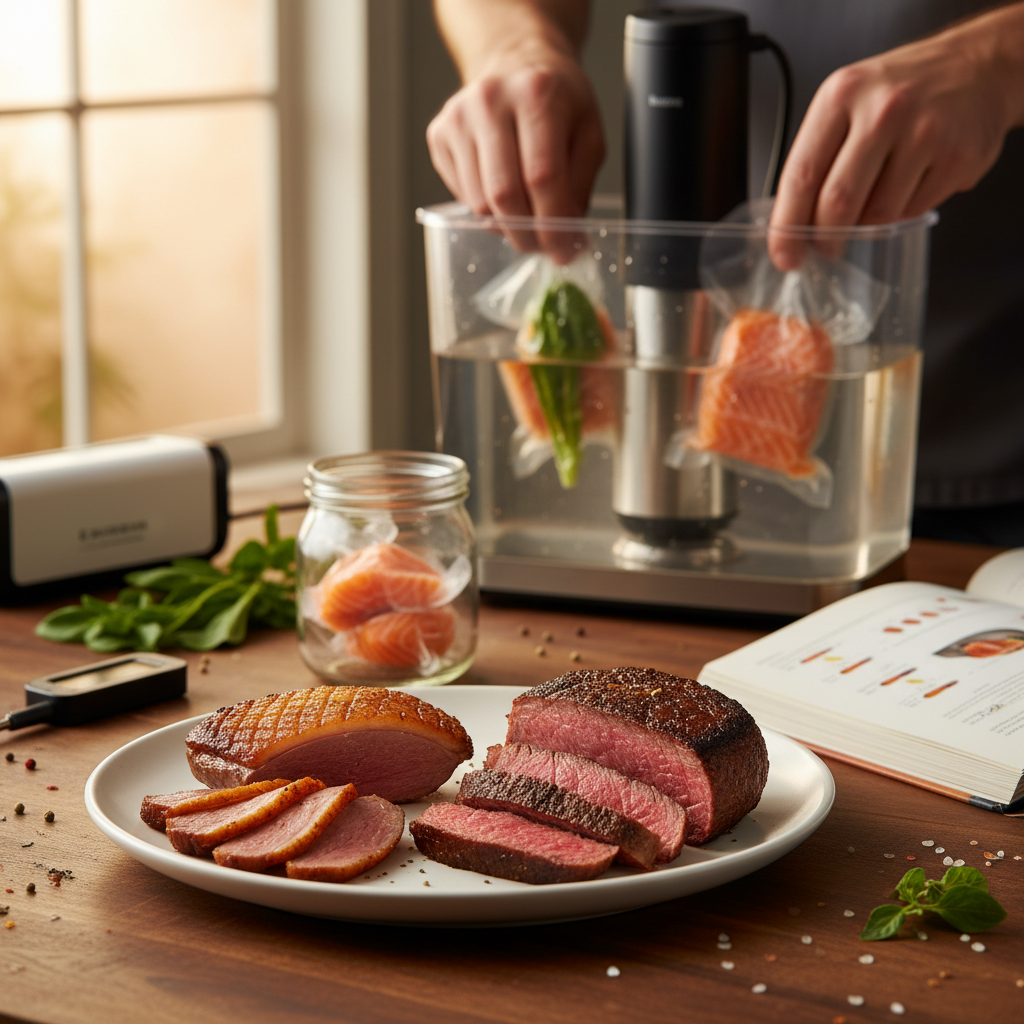
Unlocking the Secrets of Sous Vide Cooking: Essential Techniques for Home Chefs
In recent years, sous vide cooking has emerged as a revolutionary technique that has captivated both professional chefs and home cooks alike. By immersing food in a water bath at precise temperatures, sous vide offers a level of control and consistency that conventional cooking methods often lack. This method not only allows you to cook proteins to the exact doneness you desire but also enhances flavors and textures in a way that can transform a simple meal into something extraordinary. For the home chef looking to elevate their culinary skills, learning the ins and outs of sous vide can be a game-changing experience.
Interestingly, the term “sous vide” translates to “under vacuum” in French, and the technique typically involves sealing food in airtight bags before cooking it in hot water. This approach not only protects the food from oxidation and moisture loss but also allows it to cook evenly throughout, resulting in tender and juicy final dishes. While sous vide might seem complex at first glance, it is surprisingly accessible and can be mastered with a few key techniques and tools.
As this cooking method garners more attention, many home cooks are eager to explore sous vide for themselves. In this post, we will delve into the various aspects of sous vide cooking—from essential equipment to temperature guides and cooking times. By the end of this exploration, you’ll be empowered to confidently incorporate sous vide into your culinary repertoire, creating beautifully cooked meals that are sure to impress.
Understanding Sous Vide: The Basics
To begin, it’s essential to grasp the fundamental principles of sous vide cooking. Unlike traditional cooking methods that rely on high heat and various cooking times, sous vide operates on the concept of precision. The process involves cooking food slowly at a controlled temperature, which can range anywhere from 120°F to 185°F, depending on the type of food and desired outcome. The ideal temperatures for sous vide cooking allow for maximum flavor and texture without the risk of overcooking.
The Science Behind Sous Vide
At its core, sous vide relies on the science of heat transfer. In conventional cooking, food is typically heated from the outside in, leading to uneven cooking. Sous vide, on the other hand, immerses food in water that is heated to a specific temperature, ensuring that the heat transfers evenly and gently throughout the entire piece of food. This method is especially favored for cooking meats, as it allows you to achieve perfect doneness without the fear of dryness or toughness.
Another critical aspect of sous vide is the Maillard reaction, which occurs when proteins and sugars in food are exposed to high heat, creating that sought-after browning and depth of flavor. While the actual sous vide process doesn’t achieve this, many home cooks use the sous vide method in combination with additional techniques such as searing to create beautifully caramelized exteriors after the food has finished cooking in the water bath.
The Benefits of Sous Vide Cooking
There are numerous benefits to using sous vide in your kitchen. Here are just a few:
Understanding these basics sets the foundation for successfully incorporating sous vide into your cooking practices.
Essential Equipment for Sous Vide Success
To start your sous vide journey, you will need a few essential pieces of equipment. Investing in the right tools can make all the difference in your cooking experience.
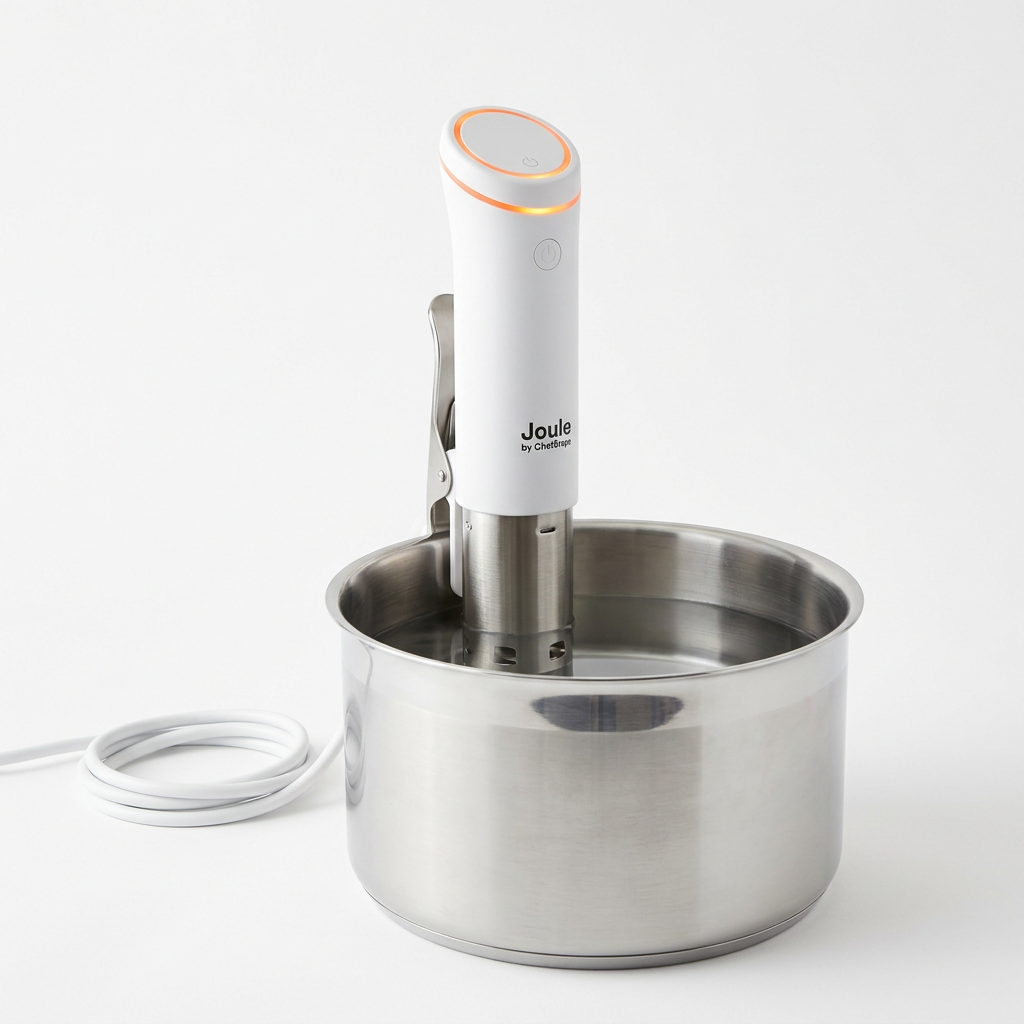
Sous Vide Immersion Circulator
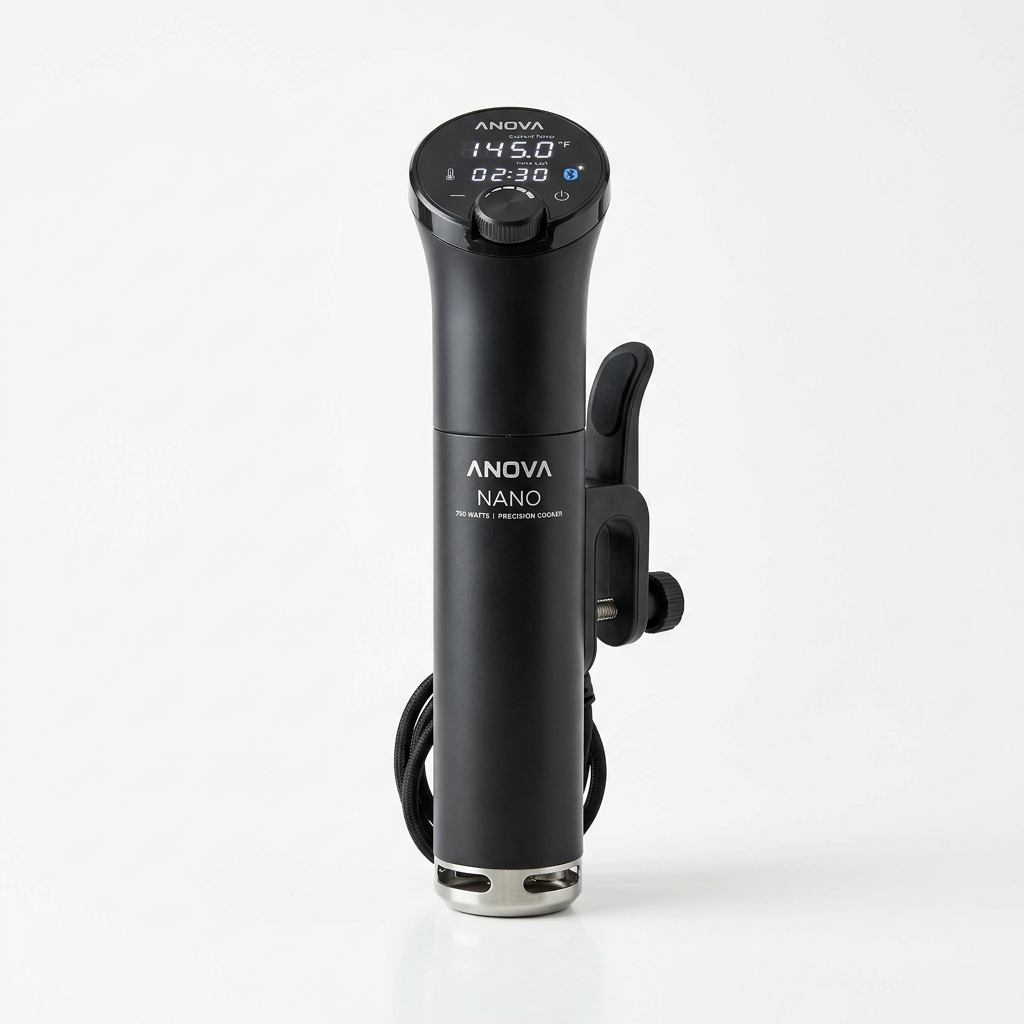
The heart of sous vide cooking is the immersion circulator, a device that heats and circulates water at a set temperature. There are many models available on the market, ranging in price and features. When choosing an immersion circulator, consider the following factors:
Many home cooks favor immersion circulators from reputable brands, as they are designed specifically for reliable performance in sous vide cooking.
Vacuum Sealer
A vacuum sealer is another crucial tool for sous vide cooking. This device removes air from plastic bags and seals them tightly, creating a vacuum environment that helps preserve flavors and texture during cooking. While you can use heavy-duty zip-top bags for sous vide, a vacuum sealer ensures that the food is submerged effectively, preventing floatation.
When selecting a vacuum sealer, look for features such as:
Sous Vide Bags and Containers
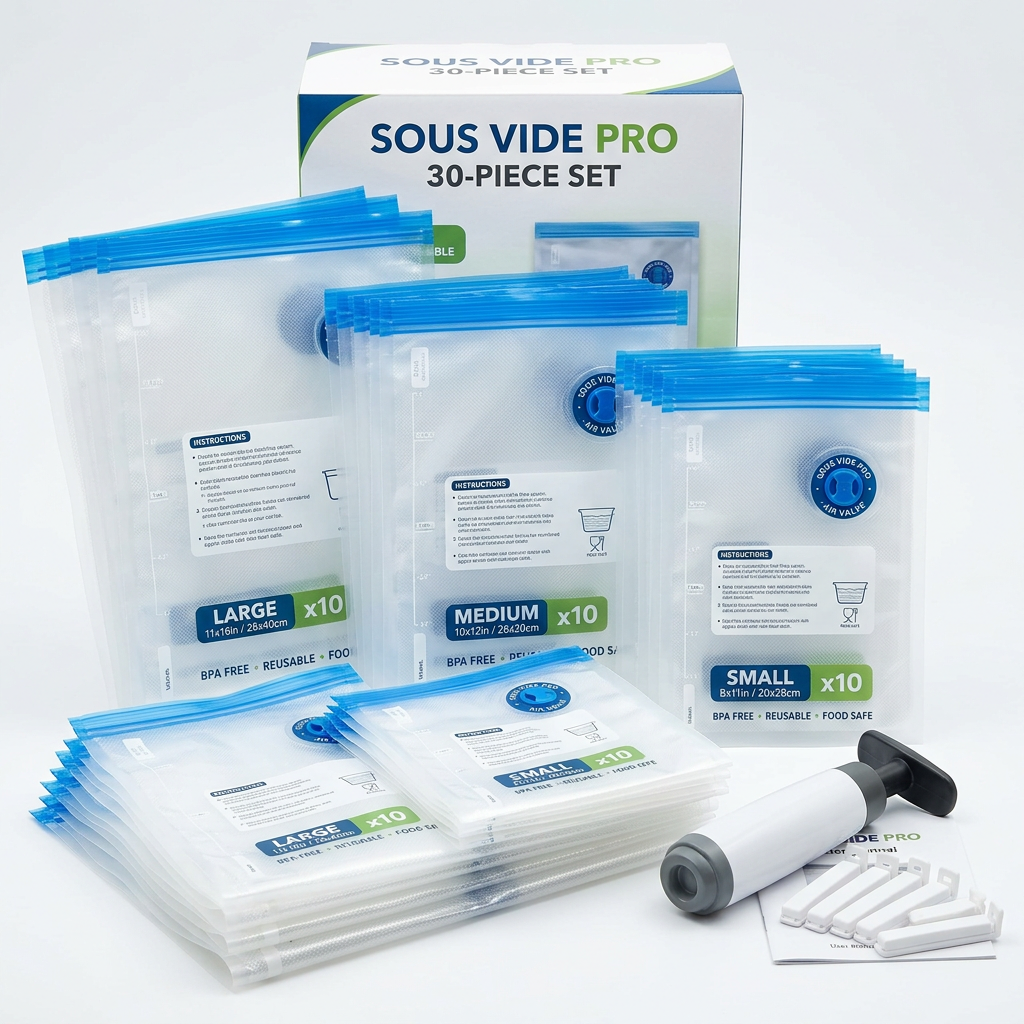
You can opt for specific sous vide bags, which are designed to withstand high temperatures, or heavy-duty zip-top freezer bags. If using bags, don’t forget to submerge them properly to remove air, allowing for even cooking.
Additionally, using a container that retains heat efficiently, such as a large pot or a specialized sous vide container, is essential. Be sure to accommodate the volume of water needed for your recipes and to manage heat loss during cooking.
Preparing Ingredients for Sous Vide Cooking
Once you have your equipment in place, the next step is preparing your ingredients. Proper preparation enhances flavor and improves overall cooking results.
Seasoning and Marinating
One of the benefits of sous vide cooking is the ability to infuse flavors directly into your food. Seasoning and marinating ingredients before sealing them in a bag can yield vibrant results. Here are a few tips when it comes to seasoning:
Note: Avoid sauces that may burn during browning if you plan to finish your sous vide dish with a sear.
Vacuum Sealing Techniques
When it comes to sealing your food in bags, mastering the vacuum sealing process is essential. Here are some concise steps to follow:
Cooking Times and Temperatures
Different ingredients require specific cooking times and temperatures to achieve the desired result. Here’s a handy guide:
#### Proteins
- Rare: 130°F for 1-4 hours
- Medium-rare: 135°F for 1-4 hours
- Medium: 145°F for 1-4 hours
- Well done: 160°F for 1-4 hours
- Juicy and tender: 145°F for 1-2 hours
- Shredded: 165°F for 1-2 hours
- Medium: 145°F for 1-4 hours
- Well done: 160°F for 1-4 hours
#### Vegetables
#### Eggs
Chef Tip: Always consult trusted sous vide resources or guides to ensure food safety and optimal results.
Cooking with Sous Vide: Step-by-Step Guide
Now, let’s dive into the specific steps of cooking with sous vide, from preparation to cooking and finishing for plate presentation.
Step 1: Set Up Your Sous Vide
Step 2: Prepare Ingredients
Step 3: Cooking Process
Important: Cooking times can be flexible; if you can’t pull the food out at the exact time, many ingredients can hold for an additional hour with little risk of overcooking.
Step 4: Finishing Touches
Step 5: Serve and Enjoy
Plate your beautifully cooked sous vide creations, ensuring to present them in an inviting manner. Adding garnishes—such as fresh herbs or sauces—can enhance both the aesthetics and flavor.
“Sous vide is like making a promise to your ingredients—a commitment to give them the time and temperature they deserve.”
Common Mistakes to Avoid
While sous vide is a forgiving cooking method, there are some common pitfalls that can jeopardize the outcome. Avoid these mistakes for the best results.
Mistake 1: Inaccurate Timing
Overcooking is a common fear with sous vide, but the truth is that food can hold in the water bath longer than traditional methods. That said, very extended cooking times can lead to undesirable texture changes, especially with delicate ingredients.
Tip: Follow recommended cooking times and check doneness with a probe thermometer if in doubt.
Mistake 2: Poor Vacuum Sealing
Insufficiently sealed bags can lead to water entering the bags during cooking, resulting in compromised flavors and textures.
Tip: Practice vacuum sealing on various ingredients to find the right technique, ensuring no air remains.
Mistake 3: Not Finishing Properly
Failing to add a finishing step after sous vide can result in bland or unappealing textures.
Tip: Don’t skip the searing step; it’s crucial for enhanced flavor and presentation.
Creative Sous Vide Recipe Ideas
Once you’ve mastered the basics, the world of sous vide cooking opens up to an array of exciting recipes. Below are a few unique ideas to inspire your culinary journey.
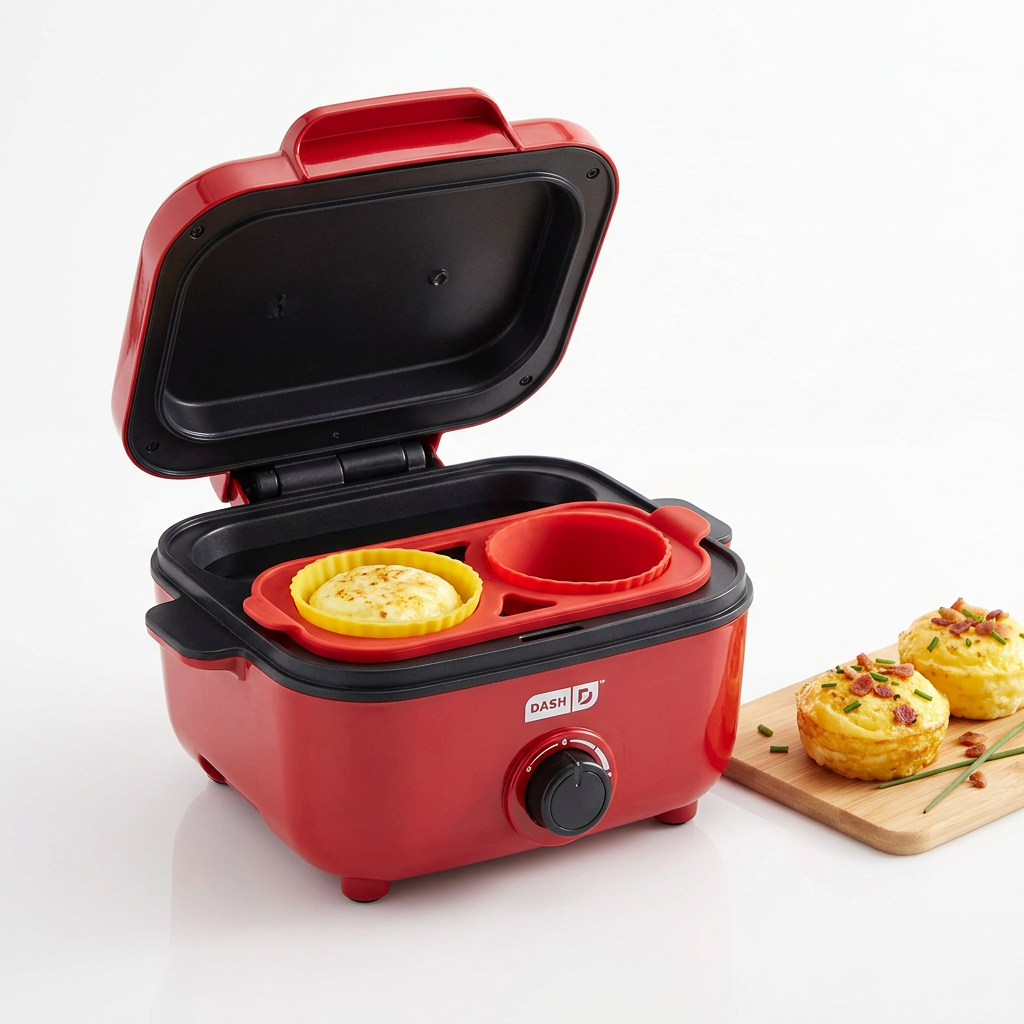
Sous Vide Egg Bites
Perfect for breakfast or snack time, these protein-packed bites are creamy and flavorful.
Ingredients:
Instructions:
Sous Vide Carrots with Honey Glaze
These tender, sweet carrots make for an impressive side dish.
Ingredients:
Instructions:
Sous Vide Garlic Mashed Potatoes
Creamy and full of rich flavor, these garlic mashed potatoes are a showstopper.
Ingredients:
Instructions:
Final Thoughts
Sous vide cooking offers an incredible opportunity for home cooks to refine their skills and expand their culinary horizons. By embracing the precision and control of this method, you can create dishes that are not only consistently delicious but also elevate the dining experience for family and friends. From perfectly cooked proteins to perfectly tender vegetables, the versatility of sous vide opens a realm of culinary possibilities that can make every meal special.
With the right equipment, a few essential techniques, and the willingness to experiment, you will soon find that sous vide cooking is not only manageable but immensely rewarding. As you grow more comfortable with this method, you’ll likely discover that the best part of sous vide is its ability to grant you confidence in the kitchen. So, roll up your sleeves, set your immersion circulator, and get ready to unlock the delicious potential of sous vide cooking in your very own home!
Get the Next Recipe
Weekly recipes, techniques, and gear picks — straight to your inbox.
