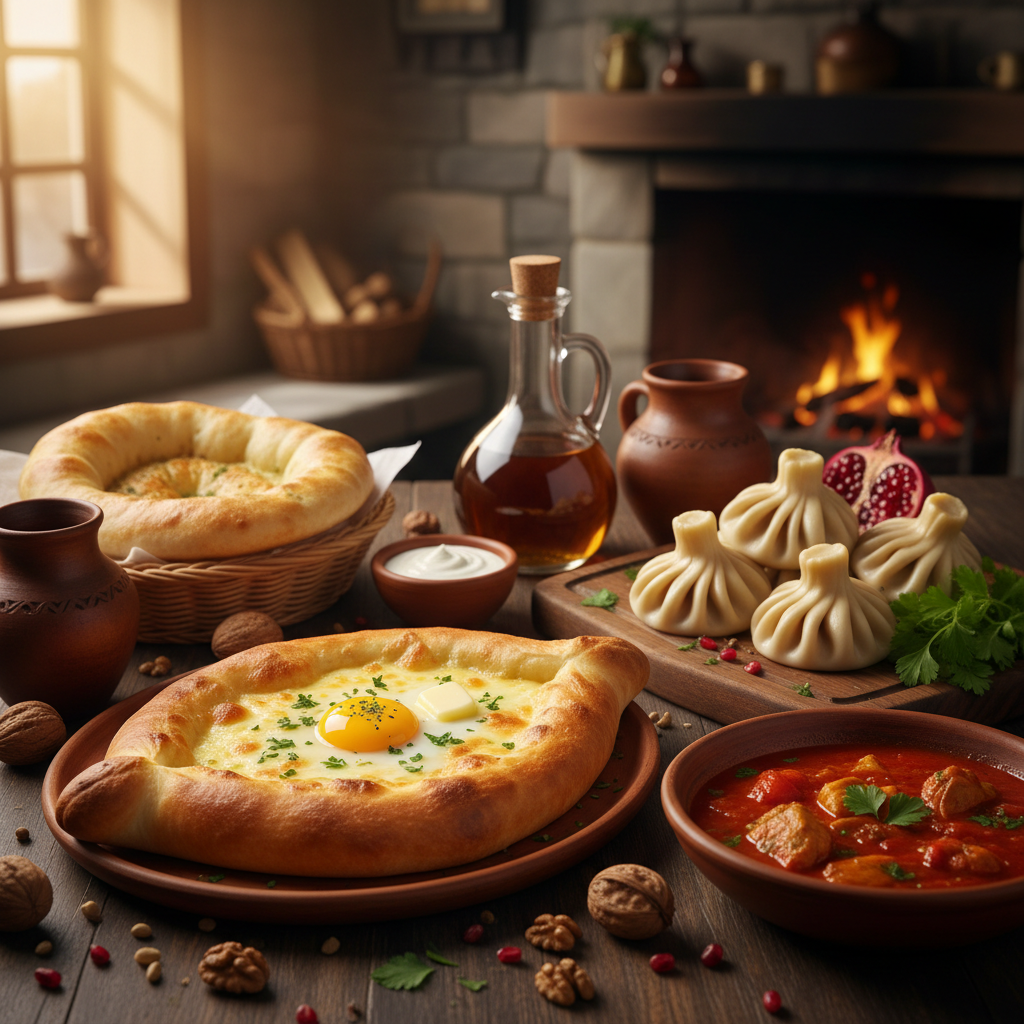
Unlocking the Secrets of Traditional Georgian Cuisine: Khachapuri, Khinkali, and Beyond
Georgian cuisine is a hidden gem in the realm of world culinary traditions, often overshadowed by neighboring countries and their more prominent food cultures. However, its distinct flavors and unique dishes offer a fascinating journey for any food enthusiast. At the heart of this vibrant cuisine lies an impressive array of ingredients, techniques, and traditions formed over centuries. The rich tapestry of Georgian cooking is not merely a reflection of the country’s geography but also its historical influences from Mediterranean, Middle Eastern, and Soviet fare, culminating in a culinary experience that is both complex and accessible.
Among Georgia’s culinary treasures are khachapuri and khinkali, two dishes that are not only staples in Georgian households but also beloved around the globe. Khachapuri, often referred to as the national dish, is a savory bread filled with cheese and eggs, while khinkali, the dumplings filled with spiced meat and broth, have captured the hearts of many for their unique shapes and flavors. But there's so much more to discover—the spices, herbs, and other traditional delicacies that create a complete Georgian dining experience.
As we delve deeper into this fascinating world, it is crucial to understand the underlying principles of Georgian cooking, the importance of fresh ingredients, and the communal spirit that accompanies almost every meal. Crafting these dishes at home is not just about replicating recipes; it’s about embodying a culture that values warmth, hospitality, and rich flavors. Join me as we unlock the secrets of traditional Georgian cuisine, exploring its most famous dishes, and learning how to recreate them in your own kitchen.
A Journey Through Georgian Cuisine
Georgia’s geographic diversity contributes significantly to its culinary richness. Nestled at the crossroads of Eastern Europe and Western Asia, it boasts an array of climates that influence local agriculture. From the lush valleys of Racha to the fertile plains of Kakheti, each region provides unique produce, contributing to the variety of ingredients found in Georgian kitchen pantries. Traditional Georgian cuisine utilizes locally sourced herbs like cilantro, tarragon, and fenugreek, as well as nuts, beans, and an array of spices—each bringing depth and flavor to the dishes.
The historical context of Georgian cooking is equally essential. The silk road paved the way for various cultural exchanges, fostering a unique blend of flavors and techniques. From the Ottoman Empire’s influence on savory pastries to Persian spices enriching meat dishes, Georgian cuisine tells a story of resilience, adaptability, and creativity. Each dish is steeped in history, often linked to celebrations, rituals, and communal gatherings. In homes across Georgia, preparing food is a family affair, emphasizing togetherness and shared experience.
Understanding the foundational elements of Georgian cuisine can transform your culinary practice. It invites you to explore not only recipes but also the cultural narratives behind each ingredient and technique used. From traditional cooking methods—such as using a tone (a clay oven) to prepare breads—to the era of Soviet influence that endeavored to simplify the culinary landscape, Georgian cuisine embodies a unique blend of innovation and tradition.
Khachapuri: The National Treasure of Georgia
What is Khachapuri?
Khachapuri, often described as “cheese bread,” is revered as one of Georgia's premier dishes. Variants of khachapuri can be found throughout the country, with each region boasting its own spin. The most famous version, Adjarian khachapuri, comes from the Adjara region and is notable for its boat shape and molten cheese topped with an egg and a pat of butter. It is both comforting and indulgent, a dish that brings warmth to the soul.
Ingredients and Techniques
To make authentic khachapuri, you will need:
- 4 cups all-purpose flour
- 1 teaspoon salt
- 1 tablespoon sugar
- 1 tablespoon dry yeast
- 1¾ cups warm water (about 110°F/43°C)
- 2 tablespoons olive oil
- 2 cups of shredded cheese (a blend of mozzarella and sulguni is ideal)
- 1 egg per khachapuri
- 2 tablespoons butter for topping
Steps to Prepare:
“Khachapuri is more than food; it’s a celebration of Georgian hospitality—meant to be shared, savored, and enjoyed with loved ones.”
Variations of Khachapuri
While Adjarian khachapuri takes center stage, there are other variations that you should explore:
Each variant offers its unique flavors and textures, showcasing the versatility of khachapuri as an essential part of Georgian gastronomy.
Khinkali: Georgian Dumplings
Understanding Khinkali
Khinkali, Georgian dumplings filled with spiced meat or vegetables, are another cornerstone of Georgian cuisine. With their unique pinched top and juicy filling, these dumplings represent not only comfort food but also a cultural experience. Traditionally served in bundles, khinkali are popular at family gatherings and are often accompanied by a spicy sauce or a sprinkle of black pepper.
Ingredients for Khinkali
To craft delightful khinkali, you will need:
- 4 cups all-purpose flour
- 1 teaspoon salt
- Approximately 1½ cups water
- 1 pound ground meat (pork, beef, or a mix)
- 1 onion, finely chopped
- 1 teaspoon black pepper
- 1 teaspoon salt
- ½ cup chopped fresh herbs (cilantro, parsley, or dill)
- 1 cup of broth or water (for juiciness)
Steps to Prepare Khinkali:
“The secret to great khinkali lies in the filling; it should be juicy enough to burst with flavor in every bite, creating an experience that is uniquely satisfying.”
Enjoying Khinkali
When consuming khinkali, technique is essential. Start by holding the knot at the top, take a bite from the side to slurp out the hot broth, followed by savoring the filling. It’s a skill that requires practice but ultimately enhances the experience and showcases the unique characteristics of Georgia’s culinary tradition.
Discovering Other Georgian Delicacies
While khachapuri and khinkali may be the stars of Georgian cuisine, many other dishes deserve your attention. Georgian meals are largely characterized by a plethora of flavors, spices, and dishes that will enrich your cooking repertoire.
Lobio: A Hearty Bean Dish
Lobio, a flavorsome bean stew, is an excellent example of simple yet delicious Georgian cooking. Variations exist across regions, primarily depending on the beans used and the spices added. The heartiness of this dish makes it a must-try for vegetarians and meat-eaters alike.
Key Ingredients:
Preparation Steps:
Pkhali: A Vegetable Spread
Georgians are skilled in transforming vegetables into vibrant dishes. Pkhali, a cold vegetable spread made primarily with spinach, eggplant, or beets, mixed with walnuts and spices, showcases this creativity.
Essentials for Pkhali:
Steps to Prepare:
Sweets and Desserts
The Georgian culinary journey wouldn't be complete without discussing some delightful sweets. One such treat is Churchkhela, a traditional confection made from nuts dipped in thickened grape juice. This charming snack has a chewy texture and is perfect for enjoying with coffee or as an energy-boosting treat.
Ingredients for Churchkhela:
Steps to Create Churchkhela:
The Importance of Wine in Georgian Culture
When it comes to Georgian meals, it's impossible to overlook the role of wine. Georgia is one of the oldest wine-producing regions in the world, with a history dating back thousands of years. The unique method of fermentation in qvevri—large clay vessels buried underground—impacts the wine’s flavor and aroma, lending to complex profiles that highlight local grape varieties.
Traditional Georgian feasts known as supra involve toasting with wine, honoring guests and family and underscoring the significance of communal dining. A well-curated Georgian meal almost requires wine as a accompaniment, enhancing flavors and bringing a celebratory spirit to the table.
Selecting Georgian Wines
When selecting a Georgian wine to pair with your meal, consider the following:
Tasting Notes and Pairings
Understanding tasting notes can enhance your dining experience. Consider the following pairings:
“In Georgia, wine is considered more than just a drink; it is a symbol of love, friendship, and celebration—the perfect complement to every meal.”
Conclusion
Exploring traditional Georgian cuisine provides home cooks with an opportunity to transcend ordinary cooking and delve into a vibrant world of flavor, culture, and history. Dishes like khachapuri and khinkali offer a glimpse into the heart of Georgia, inviting us to experience the warmth and hospitality that characterize Georgian life. Through rich ingredients, diverse methods, and the communal spirit of dining, you can embrace the essence of Georgian cooking in your kitchen.
Armed with these recipes and techniques, let your culinary adventure begin! Whether you’re steaming dumplings for a cozy dinner or baking khachapuri for a weekend gathering with friends, consider what these recipes reflect about love, culture, and celebration. Share your creations with family and friends, connecting through the universal language of food that transcends borders and brings people together.
In a world where culinary traditions are often lost or diluted, Georgian cuisine stands as a testament to heritage, resilience, and the joy of shared meals. Embrace this journey and let the flavors of Georgia transform your culinary practices. Moreover, remember that cooking is not just about following recipes; it's about creativity, exploration, and starting your own tradition through the lens of these remarkable dishes. Enjoy the process, savor the flavors, and, above all, blame the chef—they’ve guided you through this delightful taste of Georgia!

Get the Next Recipe
Weekly recipes, techniques, and gear picks — straight to your inbox.
