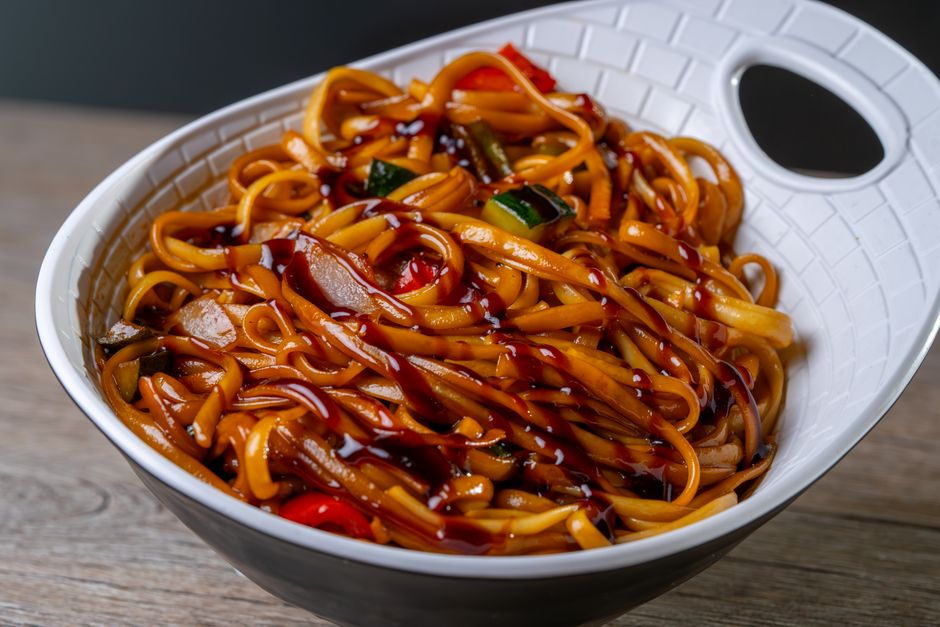
Unlocking Umami: The Fifth Taste and Asian Culinary Secrets
Umami, known as the fifth taste, has intrigued chefs and food lovers alike since its discovery over a century ago. Often described as a savory or broth-like taste, this elusive flavor profile can elevate dishes from ordinary to extraordinary. As culinary professionals and home cooks continue to explore the depths of flavor in their cooking, understanding umami’s role becomes essential for creating rich, satisfying meals. It’s not just about saltiness or sweetness; it's about a harmonious blend of flavors that can make your dishes unforgettable.
In Asian cuisines, the art of balancing umami plays a crucial role. Ingredients such as soy sauce, miso, and various types of fermented products are not only staples but also powerhouses of umami that can impart depth and complexity to dishes. By uncovering the principles behind umami and how various cultures harness it, we can learn to manipulate and accentuate flavors in our cooking, taking our culinary skills to new heights. Understanding how these ingredients interact can open a world of creativity and satisfaction in the kitchen.
As we embark on this culinary exploration, we’ll delve into the science of umami, the key ingredients that are instrumental in achieving this flavor, and various cooking techniques that can help you harness its power. Through insights and practical applications, we will reinforce the idea that every dish can be a celebration of umami, leading to comfort and delight at the dining table. Whether you’re a novice eager to learn or a seasoned cook looking to enhance your repertoire, mastering umami will undoubtedly elevate your culinary journey.
Understanding Umami: The Science Behind the Flavor
Umami was first identified by Professor Kikunae Ikeda of the Tokyo Imperial University in 1908. He discovered the distinct taste of glutamate, a compound present in seaweed that contributed to the savory flavor of dashi, a traditional Japanese broth. This discovery eventually led to the recognition of umami as one of the basic tastes alongside sweet, sour, bitter, and salty.
Umami is primarily caused by the presence of certain amino acids, particularly glutamic acid, and nucleotides like inosinate and guanylate, which enhance the taste profile of foods. These compounds are prevalent in various naturally occurring ingredients, including:
As you cook, understanding these compounds will help you make conscious choices about which ingredients to combine, enhancing the overall flavor of your dish.
The Role of Amino Acids in Umami
Amino acids greatly influence the umami flavor. The following amino acids play a significant role:
To effectively extract umami from ingredients, consider the following techniques and practices:
Incorporating a variety of umami-rich ingredients will create complex flavors in any dish, resulting in a culinary experience that tantalizes the taste buds.
Essential Umami-Rich Ingredients
To unlock umami in your cooking, you must first stock your pantry with key ingredients renowned for their umami capabilities. Here’s a list of essential ingredients, along with some insights on how to use them effectively:
Soy Sauce and Tamari
Soy sauce is a staple in many Asian cuisines, rich in glutamate and providing a salty, complex flavor. Tamari, a gluten-free alternative, offers a similar savory umami profile. Here are some tips for using soy sauce and tamari effectively:
Miso Paste
Miso, a fermented soybean paste, is not just for soups. Its umami-rich profile makes it suitable for various culinary applications. Here are practical ways to incorporate miso into your cooking:
Fish Sauce
A staple in Southeast Asian cooking, fish sauce offers intense umami flavor and can elevate dishes significantly. Here’s how to use it:
“Umami isn’t just an ingredient; it’s a transformative experience that brings life to your culinary creations."
Tomatoes
Fresh or sun-dried, tomatoes are a versatile umami source. They can be used in various ways, including:
Mushrooms
Mushrooms, particularly dried varieties, are packed with umami and can add depth to numerous dishes:
Cooking Techniques to Enhance Umami
Mastering specific cooking techniques can amplify the umami flavor in your dishes. Here are several strategies to keep in mind:
Fermentation
Fermentation is an age-old technique that enhances flavor complexity and introduces beneficial bacteria. Foods like kimchi and miso are prime examples, with methods that vary widely across Asian cuisines.
1. Prepare vegetables by washing and chopping them wisely.
2. Mix vegetables with salt (about 2% of the weight of vegetables) and allow to rest for 30 minutes.
3. Pack tightly into a jar, ensuring no air is trapped, and seal.
4. Let ferment at room temperature for 1 to 2 weeks.
Roasting and Grilling
Roasting and grilling concentrate flavors and encourage the Maillard reaction, creating desirable depth and complexity in dishes.
- Opt for high temperatures (around 425°F / 220°C) to develop flavors effectively.
- Combine vegetables and umami-rich ingredients, like soy sauce or miso, before roasting to infuse flavors.
Infusion and Simmering
Gentle simmering extracts flavors over time without destroying the delicate compounds that provide umami.
- Simmer aromatics like onions, garlic, and celery with water and mushrooms to create a rich broth.
- Allow it to simmer for several hours to extract maximum flavor, filtering before use.
“The secret to great cooking lies in the marriage of technique and great ingredients; umami is the glue that holds them together.”
Pairing Umami with Other Flavors
Understanding how to pair umami-rich ingredients with others is critical to developing balanced dishes. Here’s how to achieve that:
Sweetness Encounters
The contrast between sweet and umami can create an irresistible balance. Think of dishes that combine these two tastes:
Sourness and Acidity
Acidic components can cut through the richness of umami, providing bright notes that enhance overall flavor profiles.
Heat and Spice
Introducing heat through spicy ingredients can elevate umami flavors further.
Practical Umami Applications in Asian Cuisine
Asian cuisines are treasure troves of umami exploration. Let's delve into several classic dishes that showcase this flavor profile while providing practical tips for home cooks.
Ramen: The Umami Bowl
Ramen is a beloved dish that beautifully embodies umami through its rich, flavorful broth, tender noodles, and various toppings. Here’s how to create a soul-satisfying bowl:
1. Start with dashi made from kombu and bonito flakes. Simmer on low heat for about 20-30 minutes.
2. Add soy sauce and miso for depth, and let it simmer for an additional 10-15 minutes to meld flavors.
Stir-Fry: Quick Umami Boost
Stir-frying is a quick cooking method that captures the essence of umami in every ingredient. Here’s how to maximize flavor:
Sushi: The Art of Umami Presentation
Sushi isn’t merely a dish; it’s a delicate art form that exemplifies coordination of flavors, particularly umami.
1. Rinse sushi rice under cold water until it runs clear, then cook using a 1:1.2 rice-to-water ratio.
2. Season with a mixture of rice vinegar, sugar, and salt to create that perfect balance.
Ingredient Ratios for Developing Flavors
When cooking, understanding the right ratios for combining key umami ingredients can elevate the dish's flavor profile:
Essential Ratios
Balancing Umami Levels
To maintain a harmonious flavor spectrum, consider these ratios in various dishes:
Conclusion
Unlocking the secrets of umami transforms cooking from simple meal prep to an intricate exploration of deep flavors and satisfying textures. By understanding this essential fifth taste, alongside the key ingredients and techniques that bring umami to life, home cooks can create complex dishes that resonate with diners on multiple levels.
Steps like careful ingredient selection, understanding the science of umami, and employing optimal cooking techniques will allow you to elevate your culinary creations significantly. Whether you’re preparing a comforting bowl of ramen or crafting a meticulously arranged sushi platter, the principles of umami will empower you to create unforgettable meals.
As you embark on your culinary adventures, remember that umami isn’t just a taste—it’s an experience. Embrace it in your cooking, explore its depths, and most importantly, enjoy the delightful expressions of flavor it brings to your plate. The world of umami is vast and full of possibilities, so get creative, experiment, and let your palate guide you to delicious destinations!


Get the Next Recipe
Weekly recipes, techniques, and gear picks — straight to your inbox.
