
Vegetable Butchery: Breaking Down and Preparing Vegetables Like a Chef
In the world of culinary artistry, the humble vegetable often remains in the shadow of its meat counterparts. However, anyone passionate about cooking knows that vegetables deserve their moment in the spotlight. The ability to break down and prepare vegetables with precision not only elevates the dish but also enhances your skills as a chef. Understanding how to properly handle and process vegetables is essential for achieving profound flavors and textures, creating a more balanced meal, and showcasing your culinary prowess.
Vegetable butchery—an intriguing concept—is less about violence and more about respect and knowledge. This technique reveals the potential of a vegetable through thoughtful cuts, preparations, and cooking methods. By mastering this craft, you will be able to showcase the natural beauty of vegetables and bring out their flavors in ways you never imagined. This blog post is aimed at guiding home cooks like you through the intricacies of vegetable butchery, offering detailed instructions, professional tips, and insights that will transform your approach to cooking.
Throughout this exploration, we’ll delve into various techniques for preparing a range of vegetables, from the everyday carrot to the often-overlooked kohlrabi. With each technique, you'll gain confidence in your skills in the kitchen. As we journey through these sections, remember that cooking is more than just a series of steps—it's an artistic expression, a form of alchemy where you can encode your personality into each dish. So, grab your knife, put on your apron, and let’s dive into the world of vegetable butchery!
The Importance of Proper Knife Skills
When it comes to vegetable butchery, the foundation lies in your knife skills. A well-sharpened chef's knife is arguably one of the most essential tools in any kitchen. It’s not just about having the right tools, though; it’s about knowing how to use them effectively. Proper knife techniques not only improve your efficiency but also ensure your cuts are uniform, which is crucial for even cooking.
Choosing the Right Knife
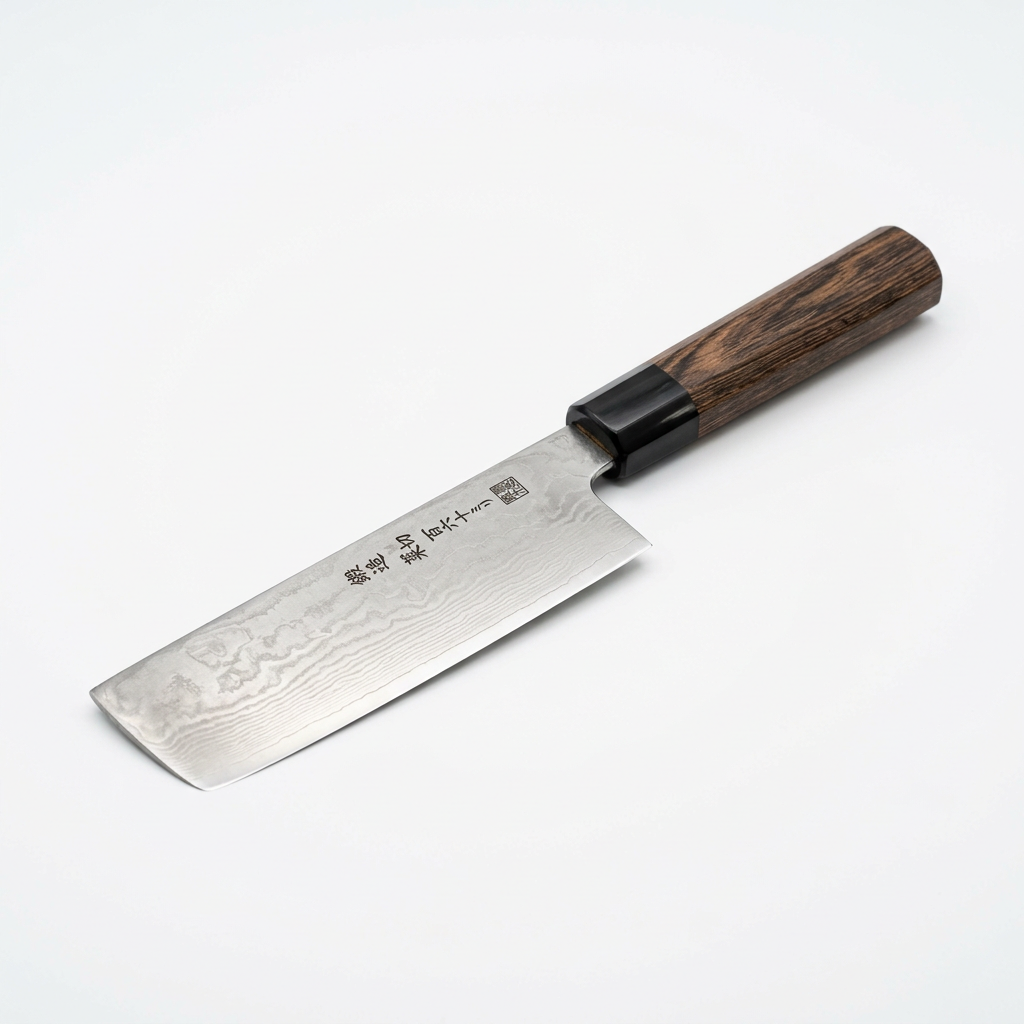
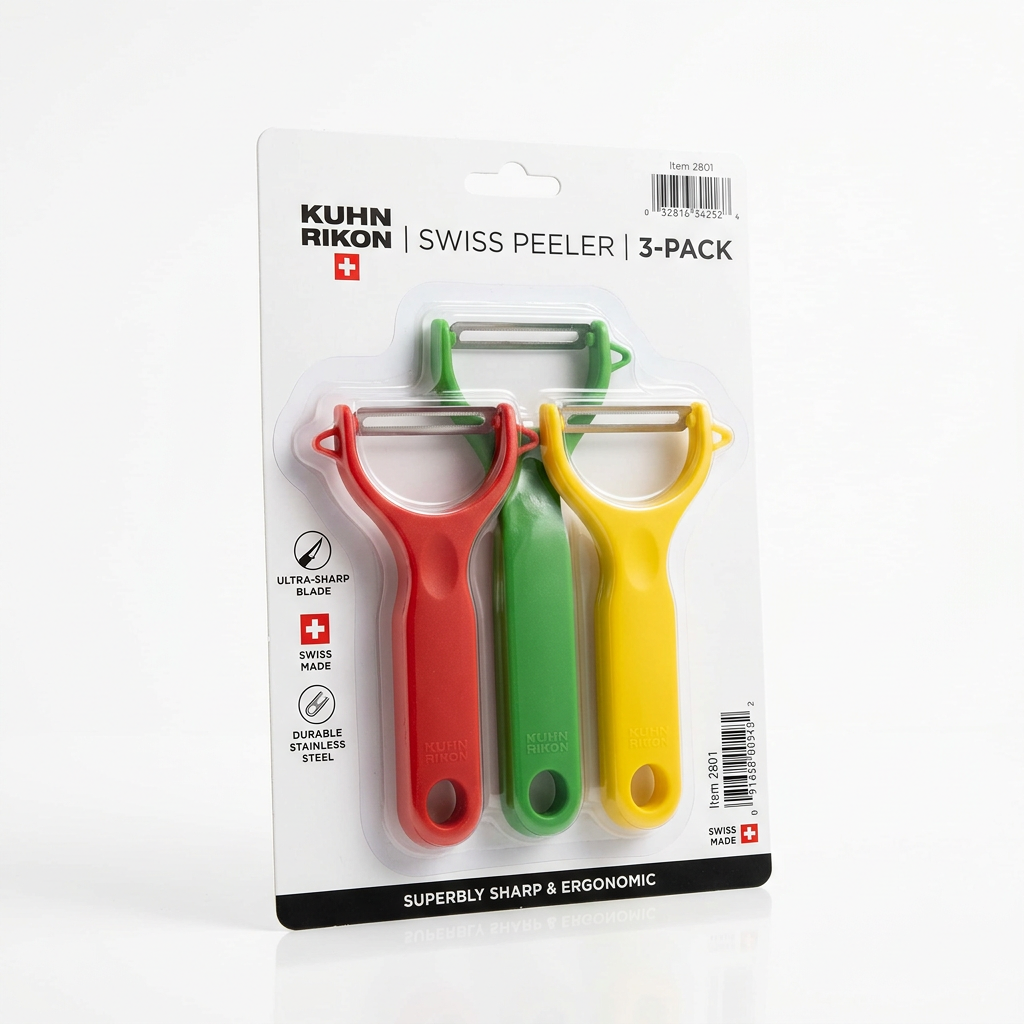
Not all knives are created equal. While a chef's knife is the workhorse of the kitchen, understanding other knife types can enhance your vegetable preparation. Here’s a quick guide to some necessary knives:
Having the right knife for the job makes a tremendous difference in the kitchen and contributes to overall safety. A dull knife can slip off the vegetable surface, leading to accidents.
Basic Cutting Techniques
Now that you have the right tools, let’s explore the basic techniques that lay the groundwork for impressive vegetable butchery:
"Mastering basic knife skills not only makes your cooking faster but also adds finesse to your dishes, ensuring every bite is packed with even flavor."
Knife Safety
Safety is a crucial part of knife skills. Even the most skilled chefs can find themselves in a jam without the proper precautions. Here are some essential safety tips:
Selecting the Best Vegetables
Not all vegetables are created equal, and understanding how to select the right ones sets the stage for outstanding dishes. When it comes to quality and freshness, consider these factors:
Seasonal Selection
Choosing vegetables that are in season often means better flavor and texture. Seasonal produce is generally harvested at peak ripeness, leading to optimal taste and nutrients. Here’s a brief guide to seasonal vegetables by season in a temperate climate:
Visual Inspection
When selecting vegetables, look for signs of freshness. For leafy greens, inspect for vibrant colors and crisp leaves. Stems should be firm, and the overall appearance should be free of blemishes or wilting.
Aroma and Texture
Smell each vegetable; a fresh vegetable should have a pleasing, earthy aroma. Firmness is also key—fresh vegetables retain their shape and have a certain weight to them. For instance, tomatoes should feel slightly heavy for their size, while cucumbers should be crisp and firm.
"The quality of your ingredients directly influences the quality of your dish. Always choose fresh, high-quality produce to ensure maximum flavor."
Techniques for Breaking Down Vegetables
Once you’ve selected your vegetables, it’s time to break them down into shapes and sizes that will work for your intended dishes. Each vegetable has its unique structure, and learning how to dismantle them properly can enhance their flavor.
Root Vegetables
Root vegetables like carrots, beets, and parsnips are excellent bases for various dishes. Here’s how to break them down:
- Carrots: Slice into rounds or batons for roasting or stir-frying.
- Potatoes: Cut into quarters for boiling or dicing into smaller pieces for hash.
Cruciferous Vegetables
Cruciferous vegetables like broccoli and cauliflower can be a bit tricky due to their complex structure. Here’s a straightforward approach:
Leafy Greens
Leafy greens, such as spinach and kale, require gentle handling. Here’s how to prepare them:
"Understanding the anatomy of vegetables is like learning a new language in the kitchen; it allows you to truly express your culinary creativity."
Preparing Common Vegetables for Cooking
With your vegetables broken down into their components, it’s time to prepare them for cooking. The method you choose will depend on the final dish you’re creating.
Roasting
Roasting vegetables brings out their natural sweetness and adds a delightful caramelization. Here’s how to properly roast them:
Sautéing
Sautéing is a quick cooking method ideal for preparing vegetables, retaining their crunch and nutrients. Here’s the process:
- Bell peppers: 5-7 minutes.
- Spinach: 2-3 minutes.
Blanching
Blanching retains the color, texture, and nutrients of vegetables. This technique is often used before freezing or preparing salads. Here’s how to do it:
Enhancing Flavors with Seasoning
No dish is complete without the perfect seasoning. Improperly seasoned vegetables can fail to shine, while the right blend can elevate them to new heights. Here are foundational techniques:
Salt
Salt is essential in cooking as it enhances natural flavors. What many don’t realize is that timing is crucial:
Herbs and Spices
Fresh herbs can transform your dishes into aromatic delights. Consider the following:
Citrus and Acidity
Adding acidic components like lemon juice, vinegar, or even a splash of wine can brighten dishes and balance richness:
Umami Elements
Don’t forget to seek out umami elements that can deepen flavors:
"The right seasonings can elevate simple vegetables into unforgettable dishes; don't skip this crucial step!"
Creative Storage Solutions for Freshness
Preserving the quality of your vegetables after butchering is essential for maximizing their shelf life and flavor. Proper storage can prevent spoilage and keep things fresh.
Refrigeration Techniques
Most vegetables fare well in the fridge; however, it helps to know a few tricks:
Freezing for Later Use
If you find yourself with an abundance of vegetables, freezing is an excellent method to preserve them:
Drying and Dehydrating
Dehydrating is another way to preserve vegetables while concentrating their flavors:
Conclusion
Mastering the art of vegetable butchery is not just about chopping and dicing. It’s a multifaceted skill set that encompasses everything from selecting the right produce to employing various cooking techniques, seasoning, and proper storage methods. By embracing vegetable butchery, you unlock a world of flavors, elevating ordinary dishes into extraordinary culinary creations.
As you practice these techniques, remember that patience is key. Each cut tells a story and reflects your growing confidence as a cook. With each vegetable you prepare, your appreciation for the ingredient deepens, and your ability to create conscious, flavorful meals intensifies. Cooking is not just a task; it’s an adventure waiting to unfold.
So the next time you're in the kitchen, take a moment to engage with your vegetables. Feel the texture under your fingers, explore the colors, and breathe in their aromas. You’ll find that as you develop a relationship with your ingredients, the dishes you create will speak not only of skill but of love and respect for the food you serve. Let the world of vegetable butchery transform your cooking, and take pride in every dish you present. Happy cooking!
Get the Next Recipe
Weekly recipes, techniques, and gear picks — straight to your inbox.
