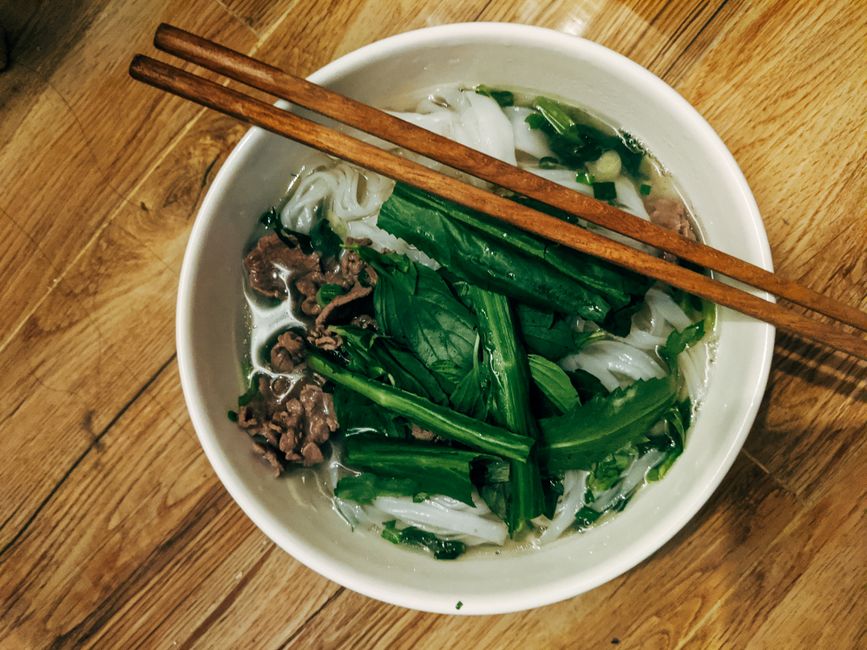
Vietnamese Pho at Home: Building Layered Broth From Charred Aromatics
There is a profound, almost spiritual stillness that settles over a kitchen when a proper pot of beef pho begins to bubble. It is not a quick meal, nor is it a dish that suffers fools or shortcuts, but rather a slow-moving masterclass in patience and the alchemy of aromatics. When you commit to making authentic Vietnamese pho at home, you aren't just preparing a soup; you are participating in a culinary tradition that demands reverence for the ingredient and precision in the technique. The fragrance that fills your home—that heady, haunting blend of star anise, ginger, and charred onion—is the reward for hours of attentive tending to the stockpot.
Many home cooks are intimidated by the perceived complexity of pho, fearing that they will never capture the elusive, crystal-clear depth found in the best street stalls of Hanoi or Ho Chi Minh City. However, the secret lies not in a mystical, guarded recipe, but in the rigorous application of fundamental culinary techniques. By mastering the art of the parboil, the careful charring of aromatics, and the science of a slow, rolling simmer, you can produce a broth that stands head and shoulders above anything you could pick up in a takeout container. This guide is designed to strip away the anxiety of the process, leaving you with the technical clarity needed to elevate your home cooking to professional standards.
At "Blame The Chef," we believe that every dish tells a story, and the story of pho is one of colonial history, cultural fusion, and the ingenuity of using humble cuts of meat to create a dish of unparalleled elegance. Whether you are a seasoned home chef or a curious novice, this post will serve as your roadmap through the intricate steps of building a foundation of flavor. We will explore the specific temperatures, the necessary ratios of spices, and the crucial cooling processes that define a world-class broth. Prepare your workspace, sharpen your knives, and let us begin the transformative journey of building a perfect bowl of pho from the bottom up.
The Foundation: Selecting Your Bones and Proteins
The quality of your pho broth is entirely dependent on the quality of your bones. To achieve a broth that is both deeply savory and aesthetically pristine, you must choose a mix of cuts that provide different elements to the pot. Specifically, you want a combination of marrow bones for richness and knuckle or joint bones for the essential collagen that provides the luxurious mouthfeel characteristic of a top-tier broth. Avoid bones that have been sitting in the freezer for months; freshness is paramount, as old bones can impart an oxidized, metallic flavor that will ruin the delicate balance of your aromatics.
Sourcing for Quality
When visiting your local butcher, be intentional about your request. Ask for "split" marrow bones, which expose the nutrient-rich center, and look for clean, white knuckle bones. A good rule of thumb is to aim for a ratio of approximately four pounds of bones for every three quarts of water. While it may seem like a high volume of bones, remember that the goal is a concentrated, highly extracted liquid that will eventually be diluted by the addition of noodles, herbs, and aromatics. Do not settle for pre-packaged, frozen soup bones of dubious origin; your effort deserves the best starting material.
The Essential Parboil
The most critical step in ensuring a clear, golden broth is the parboil. Many beginners skip this, resulting in a cloudy, greyish soup that tastes muddy. Place your bones in a large stockpot and cover them with cold water, bringing them to a violent boil for ten to fifteen minutes. You will see a thick, dark foam—consisting of impurities and blood—rise to the surface. Drain this liquid entirely, scrub your bones clean under cold running water, and wash your pot thoroughly. This reset is non-negotiable if you want a broth that looks as clean as it tastes.
"The clarity of a broth is a reflection of the chef's discipline; if you refuse to skim, you refuse the light."
The Architecture of Aromatics: Charring and Toasting
The signature profile of pho is defined by the charred aromatics. The caramelization of ginger and onion provides a deep, sweet, and smoky backbone that bridges the gap between the savory beef and the sharp, floral notes of the spices. This step cannot be rushed. You need to blast these ingredients with high heat until they are blistered and blackened on the exterior, which forces the internal sugars to break down and intensify in sweetness.
Charring Ginger and Onions
Use a gas burner or a high-heat broiler to char your ginger and yellow onions. The skin of the onion should be peeling back, showing signs of deep black char, while the ginger should be softened and darkened. Do not worry if they look "burned"; this carbonization is the source of the broth's depth. Once charred, scrape off the excessive charred skin from the ginger, but keep the onion skins intact—they provide a natural, golden hue to the finished broth that cannot be replicated by artificial means.
Toasting the Spice Blend
Spices like star anise, cinnamon sticks, cloves, coriander seeds, and black cardamom must be toasted in a dry skillet before hitting the pot. Heat the pan over a medium flame and toss the spices for three to five minutes until the oils are released and the aroma becomes potent. You are looking for a state of "aromatic awakening," where the kitchen becomes instantly filled with the scent of the spices. Be careful not to burn the seeds, as this will lead to a bitter broth that cannot be salvaged.
The Gentle Simmer and Extraction
Once your bones are cleaned and your aromatics are prepared, it is time for the low-and-slow extraction process. This is where patience becomes your primary ingredient. You are not trying to boil the bones; you are trying to coax the proteins, fats, and minerals out of them through a sustained, gentle heat. A rolling boil will emulsify the fat into the water, making the broth cloudy, which is the antithesis of a traditional, elegant pho broth.
Managing the Temperature
Keep your pot at a bare, lazy simmer. If you can see an occasional bubble breaking the surface, you are likely too hot. A temperature range of 180°F to 195°F is the sweet spot. You should also be prepared to skim the surface of the broth periodically. Even with a parboil, small amounts of fat and foam will rise to the top as the marrow renders. Use a fine-mesh skimmer or a metal ladle to remove this layer, ensuring your broth remains clear and shimmering.
The Timing for Aromatics
Timing is everything when adding your charred aromatics and toasted spices. If you put them in at the very beginning of a long six-hour simmer, the volatile oils in the spices will degrade, and the flavor will turn flat or overly bitter. Instead, add your charred ginger, onions, and spice sachet during the final ninety minutes of cooking. This ensures that the high notes remain vibrant and the broth retains its characteristic "pho" identity rather than tasting like a generic beef soup.
Salt, Sugar, and Seasoning Balance
Seasoning pho is a delicate balancing act. You are looking for a harmony between the umami of the beef, the sweetness of the caramelized onions, the acidity of the fish sauce, and the bittersweet notes of the spices. It is best to season toward the end of the process, once the broth has achieved its final concentration. Always start with less salt than you think you need, as the broth will reduce further, intensifying any flavors already present.
The Role of Fish Sauce
Fish sauce is the soul of the broth. It provides the essential glutamates that round out the flavor profile, giving the soup a savory punch that salt alone cannot provide. Use a high-quality, high-protein fish sauce—check the label for the "N" rating, aiming for 30°N or higher. Add the fish sauce in small increments, tasting constantly. Remember that fish sauce has a very different character when cooked into the broth versus when added to a bowl at the table; it adds a subtle funk that anchors the entire dish.
Sweetening the Broth
While onions provide natural sweetness, many traditional recipes use a small amount of yellow rock sugar. Unlike refined white sugar, rock sugar provides a clean, mellow sweetness that doesn't mask the other nuances of the broth. It is less cloying and dissolves slowly into the liquid. If you cannot find rock sugar, a small amount of honey or high-quality brown sugar can act as a substitute, but be judicious; you are looking to enhance the beefiness, not turn the broth into a dessert.
"A great broth should taste like a conversation between the beef and the spices; if one dominates, the story is lost."
The Art of the Assembly and Service
The bowl of pho is not just the broth; it is the symphony of textures and temperatures. The noodles, the thinly sliced proteins, the fresh herbs, and the bright acidity of lime must all be prepared and assembled with purpose. If the broth is the soul, the garnish is the spirit, providing the fresh, herbaceous lift that makes every bite feel new and exciting.
Preparing the Noodles
Use high-quality dried or fresh rice noodles. If using dried, soak them in warm water until they are opaque and flexible, then finish them in a pot of boiling water for thirty to sixty seconds. Do not overcook them; they will continue to soften once they hit the boiling hot broth. A soggy noodle is a tragedy. Drain them thoroughly and divide them into warmed bowls immediately to maintain the integrity of the dish.
The Thinly Sliced Beef
For the raw beef preparation, use a lean cut like sirloin or eye of round. Place the meat in the freezer for twenty minutes before slicing so you can achieve paper-thin, translucent sheets. When you pour the piping-hot broth over these slices in the bowl, they will cook instantly to a perfect medium-rare. This technique is essential for achieving the melt-in-the-mouth texture that defines a professional bowl of pho.
Troubleshooting Common Pho Pitfalls
Even with the best intentions, things can go wrong. If you find your broth is too cloudy, don't despair. You can use an egg white raft—a technique borrowed from French consommé—to clarify the liquid. Simply whisk egg whites with a little ground meat and stir it into the cooled broth, bringing it back to a gentle simmer. The protein will trap the impurities, which you can then strain through a fine cheesecloth, leaving you with a crystal-clear liquid.
Dealing with Saltiness
If you have over-salted your broth, the most effective remedy is to dilute it with a little bit of unsalted beef stock or water, then adjust the fish sauce accordingly. If the broth is too thin in flavor, you can reduce it further, but be careful of the salt content rising. Sometimes, adding a bit more toasted ginger or a fresh piece of star anise during a final short simmer can help recalibrate the flavor balance if it feels one-dimensional.
Storage and Reheating
Pho is a dish that arguably tastes better the next day, once the flavors have had time to meld. If you are storing your broth, let it cool completely and remove the layer of fat that solidifies on top. This fat acts as a seal, keeping the broth fresh, but removing it makes for a cleaner, healthier bowl. When reheating, bring the broth to a gentle simmer, but do not let it boil vigorously for a long period, as this will continue to extract bitterness from the spices.
Professional Tips for the Home Chef
To really bring your pho to the level of a seasoned professional, keep these "Chef Secrets" in mind. First, always warm your bowls. Pour hot water into your serving bowls and let them sit for a minute before pouring it out and adding your noodles. A cold bowl will instantly drop the temperature of your broth, killing the aromatics and making the beef fat solidify unpleasantly.
Second, don't shy away from collagen-rich additions. If you have access to beef tendon or oxtail, add them to the pot. The gelatin released from these cuts adds an incredible body to the broth, giving it that "lip-smacking" quality that distinguishes a shallow soup from a profound one. Third, respect the herbs. Thai basil, cilantro, and mint should be added at the table, not in the pot. The heat of the broth should release their essential oils, not cook them into oblivion.
Finally, remember that pho is a personal experience. While there are rules for the broth, the way you balance your own bowl with hoisin, sriracha, lime juice, and chilies is entirely up to you. Taste your broth before you add a single drop of sauce. If you have followed these steps, you will find that a well-made broth requires very little assistance from condiments.
"True mastery in the kitchen isn't found in the complexity of the recipe, but in the precision of the execution."
Conclusion
Building a traditional Vietnamese pho at home is an act of love and a test of skill. By focusing on the charred aromatics, the meticulous skimming of the broth, and the balanced seasoning of the final liquid, you are not just making dinner—you are upholding a standard of excellence. It takes hours of time, a fair amount of counter space, and a dedication to the process that is rare in our modern, fast-paced world. However, the first sip of that clear, complex, and deeply aromatic broth makes every single minute of work worth it.
Do not be discouraged if your first attempt is not "perfect." The beauty of cooking lies in the repetition; each time you make this dish, you will learn the nuances of your own heat source, the specific character of your bones, and the exact level of char that your palate prefers. Embrace the mess, enjoy the fragrance, and take pride in the fact that you have mastered a dish that has challenged chefs for generations. Welcome to the "Blame The Chef" community of home cooks who aren't afraid of the slow, deliberate, and rewarding path to culinary greatness.
Now that you possess the technical roadmap to a superior bowl of pho, go forth and experiment. Add a charred cinnamon stick if you want more warmth, or increase the star anise if you crave a more floral finish. Your kitchen is your laboratory, and this broth is your masterpiece. Stay curious, keep honing those knife skills, and never forget that the secret to the best food is always found in the care you take during the preparation. Happy cooking, and may your broth always be crystal clear and your flavors deep enough to move the soul.
The journey from a bag of bones and a few onions to a fragrant, soul-warming bowl of pho is one of the most satisfying transformations a home cook can undergo. It reminds us that we have agency over our food and that we can replicate the flavors of the world's finest street stalls within our own four walls. As you sit down to your first bowl of homemade pho, notice the way the steam carries the scent of the charred ginger and the star anise. Observe the clarity of the liquid and the way the thin ribbons of beef have cooked to perfection. This is not just soup; this is your work, your effort, and your success.
There is a deep sense of accomplishment in knowing that you provided the heat, the time, and the technique required to bring such a complex dish to life. As you continue your culinary journey, remember to apply the same level of focus to every dish you tackle. Whether you are searing a steak, roasting a chicken, or perfecting a simple pasta, the principles remain the same: high-quality ingredients, attentive techniques, and the patience to let the flavors develop on their own terms. Thank you for joining me on this exploration of one of the world's most beautiful dishes. Stay tuned for our next deep dive into the world of slow-cooked delicacies, and until then, keep that stockpot simmering. Your next great meal is only a few hours away, provided you have the patience to see it through to the end. The kitchen is waiting, the burner is lit, and the potential for a bowl of perfection is entirely in your hands. May every bowl you serve be a testament to your growing skill and your passion for the craft of cooking. Happy slurp-ing, and may your bowls always be filled to the brim with comfort.


Get the Next Recipe
Weekly recipes, techniques, and gear picks — straight to your inbox.
