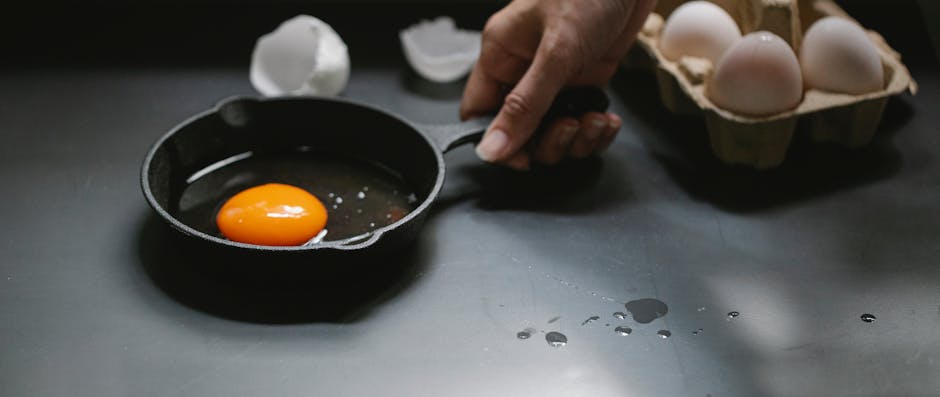
Why Cast Iron Skillets Are the Last Pan You'll Ever Need
The kitchen is often viewed as a sanctuary of complex gadgets and expensive, high-tech appliances that promise to do the heavy lifting for the home cook. We are constantly bombarded with advertisements for non-stick surfaces, titanium-coated pans, and induction-ready sets that claim to make our lives easier while promising chef-quality results. Yet, when you walk into the back of a professional kitchen, you rarely see the shiny, expensive pans that fill the pages of lifestyle magazines. Instead, you find stacks of heavy, seasoned iron that have likely survived decades of service. There is a quiet, reliable dignity in the cast iron skillet, a tool that asks for very little but returns everything you give it in the form of texture, flavor, and consistency.
Choosing the right pan is the foundational step toward becoming a better cook, yet it is often the most overlooked decision in the culinary journey. A high-quality cast iron skillet acts as a thermal reservoir, holding onto heat with a stubbornness that thin, aluminum pans simply cannot replicate. When you drop a cold steak into a preheated cast iron pan, the temperature doesn't plummet; it stays right where you need it to achieve that coveted Maillard reaction. This chemical reaction is the bridge between a bland piece of meat and a deeply browned, savory masterpiece. If you want to elevate your home cooking, you must move away from the disposable culture of cookware and invest in something that will literally outlive you.
The intimidation factor surrounding cast iron is the greatest barrier to entry for the average home cook, but it is entirely misplaced. People fear the maintenance, the weight, and the seasoning process, believing that it requires some alchemical knowledge to keep the metal from rusting. In reality, cast iron is the most forgiving material in the kitchen, provided you understand how to treat it like a living extension of your cooking process. Once you embrace the rhythm of heating, searing, wiping, and oiling, the pan becomes better with every single meal you prepare. It is time to clear your cabinets of the flimsy equipment that warps under heat and embrace the iron age of home cooking.
The Science of Heat Retention and Distribution
The primary reason professional chefs gravitate toward cast iron is its unparalleled ability to manage heat. Unlike stainless steel or copper, which conduct heat quickly, cast iron is a poor conductor but an exceptional radiator. Once it reaches a specific temperature, it stays there. This is why it is the gold standard for searing, deep-frying, and baking. When you place a heavy skillet on a burner, it absorbs energy throughout its entire mass, creating a consistent surface that eliminates the frustrating "hot spots" found in cheaper cookware.
Understanding Thermal Mass
Thermal mass is a term thrown around in physics, but in the kitchen, it translates to the ability to maintain heat despite the introduction of cold ingredients. When you add a room-temperature ingredient to a thin pan, the pan’s temperature drops rapidly, resulting in the dreaded steaming effect. With a heavy-duty cast iron skillet, the pan is so thick and dense that it barely notices the cold protein being laid upon it. This ensures that the moisture within the food is released slowly, allowing the surface to caramelize instantly.
"A cast iron skillet isn't just a piece of metal; it’s a thermal battery that fuels the crust, the sear, and the depth of flavor in every dish you create."
To leverage this, you must learn the art of the preheat. Never throw a pan on the stove and immediately add your oil and ingredients. Give your skillet at least 5 to 7 minutes on medium-low heat to allow the iron to "soak up" the energy. A properly preheated pan will cause a drop of water to dance and evaporate almost instantly, a phenomenon known as the Leidenfrost effect. By ensuring your pan is thoroughly heated, you are guaranteeing that your proteins will release from the surface naturally rather than sticking to it.
The Myth of Complicated Maintenance
There is a persistent rumor that cast iron is "high maintenance," a sentiment usually spread by people who haven't spent more than a month with a properly seasoned pan. The truth is, cleaning a cast iron skillet is significantly easier than scrubbing away at a synthetic non-stick coating that has begun to peel or scratch. You do not need harsh chemicals or the dishwasher. In fact, if you treat your pan with respect, cleaning becomes a 30-second ritual that closes the loop on your culinary experience.
The Daily Cleaning Ritual
After you finish cooking, wipe out the excess fat while the pan is still warm. If there are stuck-on bits, use a chainmail scrubber or a stiff natural-bristle brush with a bit of hot water. Notice I said hot water—not soapy, aggressive scrubbing. While modern dish soap won't ruin a seasoned pan, it is best to avoid it entirely to protect the polymerized oil layer that gives the skillet its non-stick properties. Once clean, dry the pan immediately over a low flame to ensure no moisture remains in the pores of the iron.
The Art of Re-seasoning
Once the pan is dry and still warm, take a tiny drop of high-smoke-point oil—such as grapeseed oil or canola oil—and rub it into the entire surface using a paper towel. Then, take a clean cloth and buff it off until the pan looks matte, not oily. Heating the pan on the stove until it just starts to wisp smoke will help "bake" that oil into the iron, reinforcing the seasoning. If you repeat this process even once a week, your skillet will eventually develop a mirror-like finish that rivals any Teflon pan on the market.
Mastering the Perfect Sear
If you want to achieve restaurant-quality results with your proteins, the cast iron skillet is non-negotiable. Whether you are cooking a thick-cut ribeye, a skin-on chicken breast, or even a fatty piece of salmon, the sear is the defining factor of the dish. The secret lies in the interaction between the hot oil and the dry surface of the meat. Before you even touch the pan, ensure your meat is patted completely dry with paper towels. Moisture is the enemy of a good sear; if there is water on the surface of the meat, that energy will go toward evaporating the water rather than browning the protein.
The Temperature Checklist
By following this workflow, you allow the proteins to undergo the Maillard reaction, creating a complex, savory crust that adds a textural contrast to the tender interior of the meat. In a cast iron pan, the heat is so evenly distributed that the edges of your steak will have the same delicious, mahogany brown finish as the center. This is the difference between home-cooked and chef-cooked.
Beyond the Stovetop: The Oven Connection
One of the most underutilized features of a cast iron skillet is its oven-safe nature. Unlike pans with rubberized handles or plastic components, a solid cast iron skillet can go from a 500-degree oven to the stovetop without blinking. This is a game-changer for dishes that require a sear-then-roast technique. Think of a thick pork chop: you sear the exterior to build flavor and then finish it in the oven to ensure the interior reaches the perfect temperature without drying out the crust.
The "Reverse Sear" Technique
The reverse sear is perhaps the most impressive technique you can employ for thick-cut steaks. Start by placing your seasoned steak on a wire rack inside a 225-degree Fahrenheit oven. Cook until the internal temperature reaches about 115 degrees for medium-rare. Remove the steak, let it rest for ten minutes, and then drop it into a screaming-hot cast iron skillet with a knob of butter, garlic, and fresh thyme. The resulting steak will be cooked to an edge-to-edge perfect pink, topped with a crust that is dark, salty, and incredibly flavorful.
"A kitchen without a cast iron skillet is a kitchen without a backbone; it is the single most versatile tool in the history of human food preparation."
This versatility means you can also use your skillet for baking. Think about cornbread, Dutch babies, or even rustic fruit galettes. The iron conducts heat to the bottom of the batter, creating a crispy, golden-brown crust that you simply cannot get in a glass or aluminum baking dish. The pan acts as a convection oven, holding the ambient heat and radiating it into the food, which helps create a beautiful rise in batters and a perfect crisp on pastry crusts.
The Longevity Factor: Why It Pays for Itself
In a world of planned obsolescence, cast iron is an outlier. You can walk into a vintage shop, pick up a rusted, neglected skillet from the 1950s, spend an hour scrubbing it, and have a pan that is superior to almost anything you can buy at a department store today. The iron molecules in a vintage pan are often denser, and the surface has been polished by decades of use. When you buy a modern skillet, you are making an investment that will likely serve your grandchildren.
The Economics of Cast Iron
Compare the cost of a high-quality cast iron skillet—which usually runs between thirty and sixty dollars—to a set of "professional-grade" non-stick pans. A typical non-stick set will lose its efficacy within two years, requiring you to discard them and purchase a new set, contributing to both your financial drain and the growing pile of landfill waste. The cast iron skillet, however, never loses its efficacy. In fact, the more you use it, the better the non-stick patina becomes.
There is a psychological comfort in using a tool that you know will not fail you. When you aren't worried about whether your coating is scratching off into your food or whether your handle is going to melt, you focus more on the flavor. You focus on the aromatics, the timing, and the ingredients. That shift in mindset—from worrying about the gear to focusing on the craft—is exactly what marks the transition from a home cook to a serious culinarian.
Handling Common Cast Iron Pitfalls
Even with the best tools, mistakes happen. Perhaps you left the pan in the sink and found a patch of orange rust in the morning, or maybe you burned a thick layer of sugar onto the bottom while making a pan sauce. Do not panic. There is almost nothing you can do to a cast iron pan that cannot be undone. Unlike a scratched copper or non-stick pan, which is effectively ruined once the surface is compromised, cast iron can be stripped back to bare metal and re-seasoned from scratch.
Stripping and Resetting
If you have a disaster—a deep rust spot or a gummy, uneven buildup of burnt oil—the solution is to go back to square one. You can use a mild abrasive or even a caustic solution to strip the pan to raw iron. Once it is clean and dry, you apply a very thin layer of high-smoke-point oil and bake it in the oven at 450 degrees for an hour. This restores the polymerized foundation, and you have effectively "reset" the clock on your pan’s lifespan.
Common Mistakes to Avoid
Over-greasing*: Don't leave a thick pool of oil on the pan when seasoning. It will turn into a sticky, gummy mess. Use a cloth to wipe off as much as you possibly can until the surface looks dull.
Cold Proteins*: Adding freezing cold meat to a medium-hot pan will cause sticking every single time. Let your ingredients sit on the counter for at least 15-20 minutes before cooking.
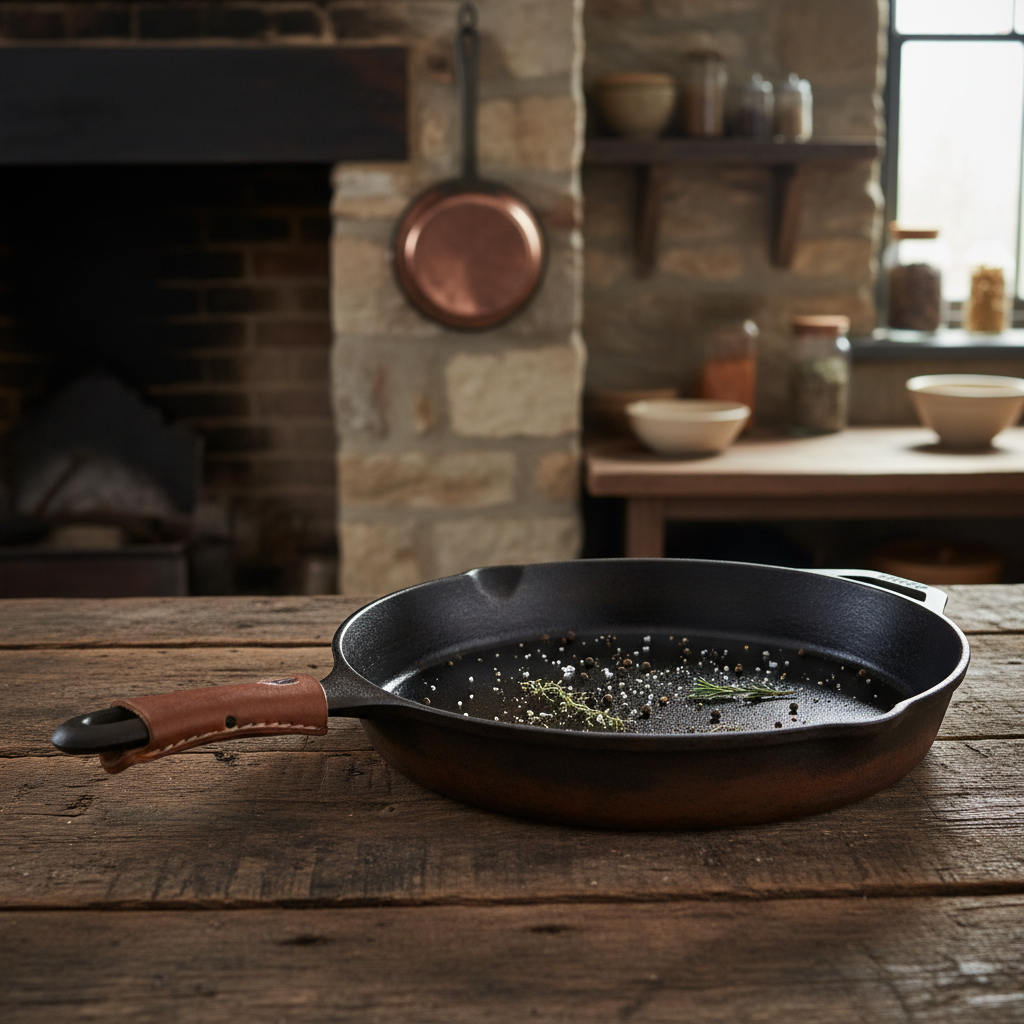
Ignoring the Handle*: The entire pan gets hot, including the handle. Always have a dedicated leather grip or a heavy towel ready. You will only forget this once before you learn to respect the iron.
By treating these "pitfalls" as learning opportunities rather than failures, you grow more comfortable with the tool. You realize that the pan is not a fragile, precious object—it is a piece of industrial equipment designed to take a beating. The more you use it, the more "seasoned" your relationship with the pan becomes.
The Culinary Philosophy of "Blame The Chef"
At the heart of the "Blame The Chef" philosophy is the idea that the quality of your meal is determined by the intent and the technique you bring to the stove, not by the price tag of your equipment. We encourage you to stop looking for shortcuts. There is no shortcut for building flavor, and there is no substitute for the way cast iron handles heat. When you commit to using this skillet for your everyday cooking, you are committing to a style of preparation that prioritizes texture, temperature, and the honest interaction between heat and raw ingredients.
Building Your Toolkit
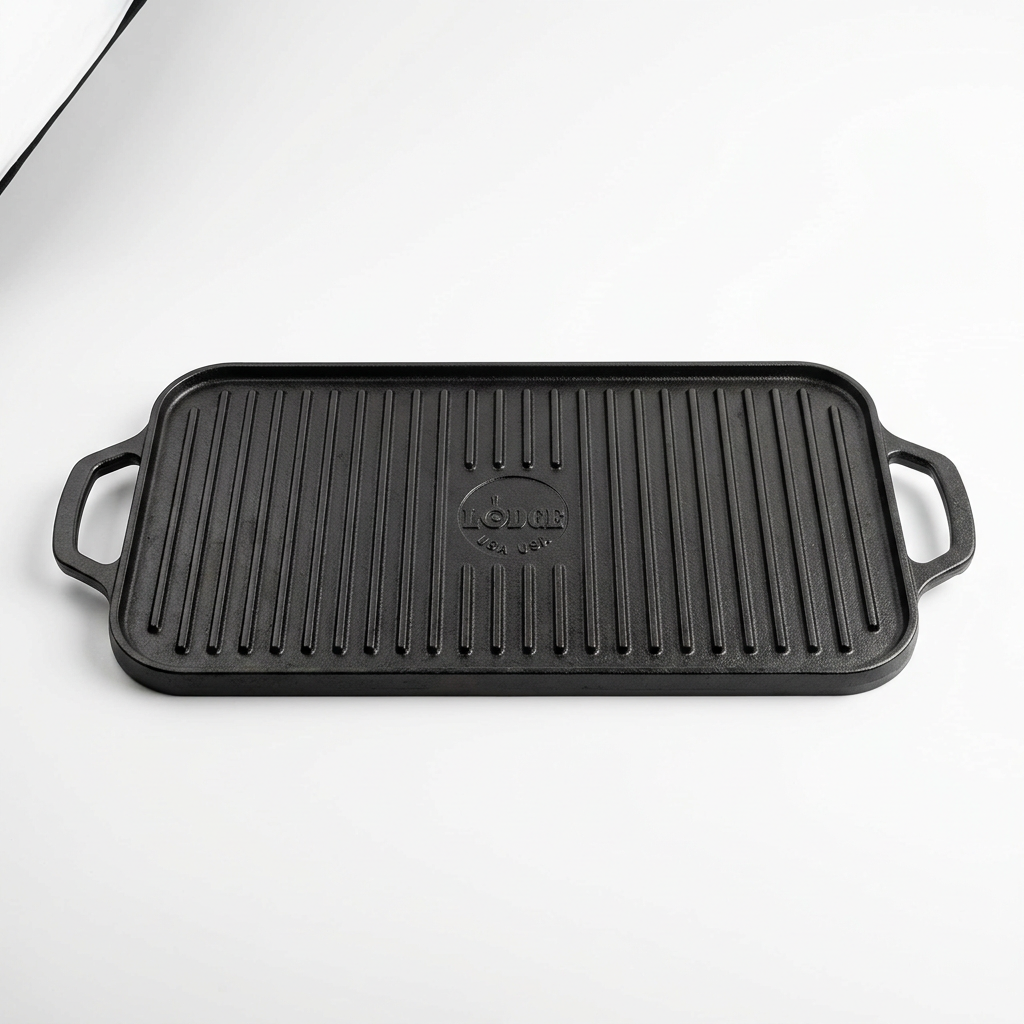
If you are looking to expand your arsenal, start with a standard 10-inch or 12-inch skillet. It is the "chef's knife" of the cookware world. Once you master that, you can look into a cast iron Dutch oven for braising and stews, or a griddle for breakfast items like pancakes and bacon. The common thread among all of these is the material: iron. It is honest, it is durable, and it is capable of producing food that is far superior to anything prepared in a thin, lightweight pan.
"A great meal doesn't come from a gadget that promises to do the work for you. It comes from an understanding of the heat, the ingredient, and the humble, reliable tool that brings them together."
As you move forward in your culinary journey, remember that the skillet you pull from your cabinet is the one that will witness your greatest successes and your most interesting failures. It will hold the memories of family dinners, late-night experiments, and the quiet comfort of a simple breakfast. It is a tool that ages with you, gaining a story in every scratch and every layer of seasoning. You are not just cooking dinner; you are participating in a tradition that spans generations.
Final Thoughts
The decision to switch exclusively to cast iron is not just a change in equipment; it is a change in philosophy. You are choosing to value performance over convenience, and longevity over aesthetics. You are choosing to master a technique that requires you to pay attention to your pan, to understand its needs, and to work in tandem with it to create something delicious. When you reach that point where you can hear the sizzle and know exactly what is happening to the protein beneath, you have moved beyond the role of a recipe-follower and into the role of a true cook.
If you have been holding back because you were worried about the weight of the pan or the care required to keep it, let go of those concerns today. Buy a quality piece of iron, wash it, dry it, and get it hot. Start with something simple, like a pan-seared pork chop or a batch of cornbread, and pay attention to how differently the food cooks compared to your old, thin-bottomed pans. Watch the way the crust develops, observe the evenness of the browning, and taste the difference that thermal stability makes in the final flavor profile.
Finally, remember that the "Blame The Chef" mantra isn't about shaming yourself for mistakes; it is about taking ownership of your results. If the steak is overcooked, don't blame the pan. If the crust isn't golden, don't blame the stove. Adjust your technique, refine your preheat times, and keep pushing forward. Your cast iron skillet is the most reliable partner you will ever have in the kitchen. It will never let you down, provided you take the time to learn its language. So, heat up that iron, grab your favorite ingredients, and start building your legacy one meal at a time. Your journey toward culinary excellence is just beginning, and your skillet is the vessel that will take you there.
As you continue to refine your skills, you will find that the skillet becomes an extension of your own hand. You will intuitively know when to adjust the heat, when to flip, and when to let the residual heat carry the finish. This is the mark of a seasoned cook—a cook who has moved past the need for gadgets and found peace and power in the simplicity of iron. Thank you for joining me on this deep dive into the most essential tool in your kitchen. May your crusts be deep, your proteins be tender, and your seasoning stay perfectly intact for years to come.
Take this knowledge and head into your kitchen with confidence. There is a world of flavor locked into the pores of that iron, waiting for you to unleash it. Do not let another day pass by cooking in pans that don't serve your vision. Embrace the weight, embrace the heat, and most importantly, embrace the process. You are the chef, you are the architect of your dinner, and with a cast iron skillet by your side, you are well-equipped to face any challenge the culinary world throws your way. Happy cooking, and remember: the best flavor comes from the pan that has seen the most love.
It is worth noting that while some people talk about the "luxury" of modern, expensive cookware, the true luxury is the ability to cook anything, anywhere, on a surface that will never warp, peel, or break. You are saving money, you are producing better food, and you are participating in a culinary culture that has remained unchanged for centuries because it works. If you ever find yourself struggling, just look at the pan—it is a piece of history. Treat it like a friend, and it will reward you with flavors that no non-stick pan could ever replicate.
Don't settle for mediocre, thin-walled cookware that creates a headache every time you try to sear a piece of meat. You deserve better, and your ingredients deserve a surface that treats them with the respect they require. The iron is waiting. It is time to get to work.
Everything we have discussed here is meant to empower you to look at your kitchen differently. When you view your tools as partners, the entire landscape of cooking changes. The "Blame The Chef" approach is all about taking full responsibility for the heat and the craft. With your cast iron skillet, you have the ultimate, most reliable, and most versatile partner. Now go forth and create something extraordinary. The kitchen is yours to conquer.

Get the Next Recipe
Weekly recipes, techniques, and gear picks — straight to your inbox.
